William Byrd
Triumph with pleasant melody voices
Released Album
Recent Album
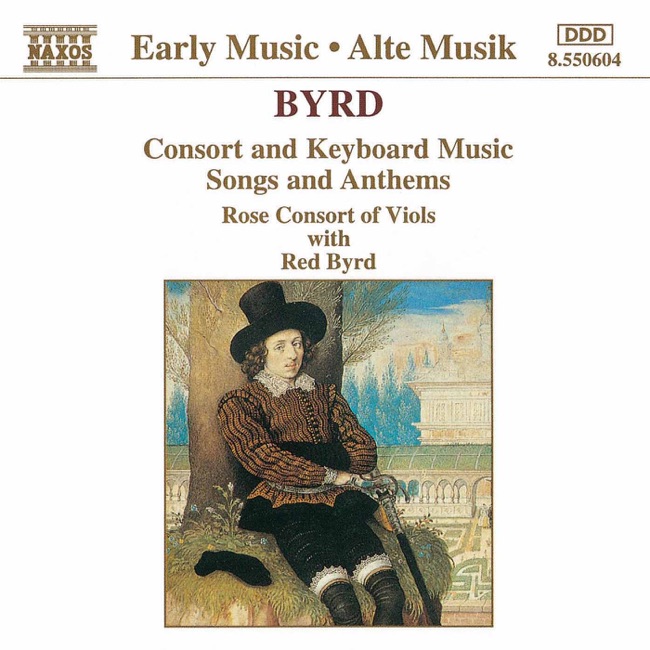
Works Info
Composer:William ByrdGenre:VocalStyle:Vocal MusicAverage_duration:3:49"Triumph with pleasant melody voices" is a choral work composed by William Byrd, an English composer of the Renaissance period. The piece was composed in the late 16th century, around 1590, and was first performed in the Chapel Royal at Whitehall Palace in London. The work is divided into five movements, each with its own distinct character and musical style. The first movement is a lively and joyful fanfare, featuring a bright and energetic melody sung by the choir. The second movement is a more subdued and introspective piece, with a slower tempo and more complex harmonies. The third movement is a lively dance, with a fast tempo and intricate rhythms. The fourth movement is a solemn and contemplative piece, with a slower tempo and more somber harmonies. The final movement is a triumphant and celebratory piece, with a fast tempo and bold, majestic harmonies. One of the most notable characteristics of "Triumph with pleasant melody voices" is its use of polyphony, a technique in which multiple voices sing different melodies simultaneously. Byrd was a master of this technique, and the piece features intricate and complex harmonies that showcase his skill as a composer. The work also features a variety of musical textures, from the bright and energetic fanfare of the first movement to the more somber and contemplative harmonies of the fourth movement. Overall, "Triumph with pleasant melody voices" is a masterful choral work that showcases Byrd's skill as a composer and his ability to create complex and intricate harmonies. Its premiere in the Chapel Royal at Whitehall Palace would have been a grand and impressive event, and the piece remains a beloved and celebrated work of the Renaissance period.More....
Works Music