Franz Liszt
Hungarian Coronation Mass, S. 11
Released Album
Recent Album
Works Info
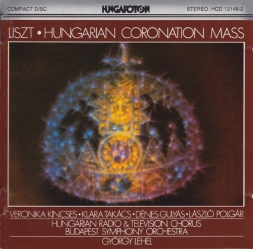
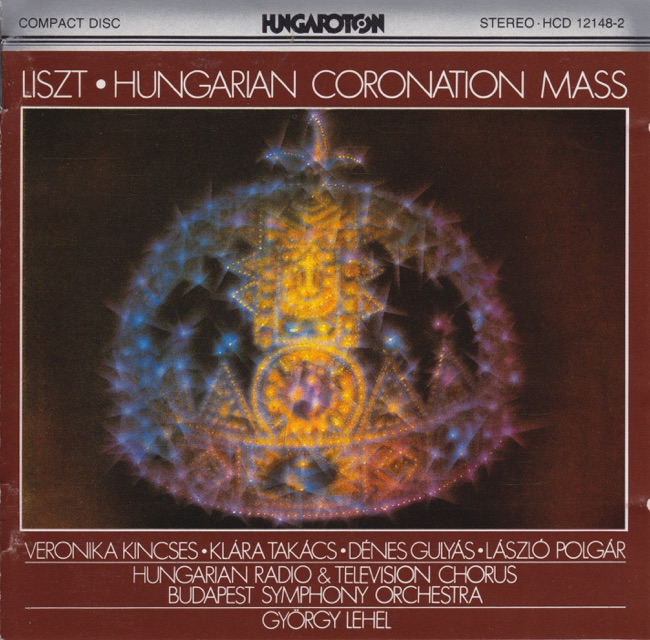
Composer:Franz LisztGenre:ChoralStyle:MassCompose Date:1866 - 1867Publication Date:1871First Performance:Jun 8, 1867Average_duration:49:18The Hungarian Coronation Mass, S. 11, is a choral work composed by Franz Liszt in 1869. It was written to commemorate the coronation of Franz Joseph I as King of Hungary, which took place on June 8, 1867. The premiere of the work was held on June 8, 1876, in the Matthias Church in Budapest, Hungary. The Hungarian Coronation Mass is divided into six movements, each of which is based on a traditional Latin text. The first movement, "Kyrie," is a solemn plea for mercy, while the second movement, "Gloria," is a joyful hymn of praise. The third movement, "Credo," is a statement of faith, while the fourth movement, "Sanctus," is a hymn of praise to God. The fifth movement, "Benedictus," is a prayer of thanksgiving, and the final movement, "Agnus Dei," is a plea for mercy and peace. The Hungarian Coronation Mass is characterized by its use of Hungarian folk melodies and rhythms. Liszt incorporated these elements into the traditional Latin texts to create a unique and distinctly Hungarian sound. The use of folk melodies and rhythms also reflects Liszt's interest in promoting Hungarian culture and nationalism. The Hungarian Coronation Mass is scored for choir, soloists, and orchestra. The choir is divided into four parts, and the soloists include a soprano, alto, tenor, and bass. The orchestra includes strings, woodwinds, brass, and percussion. Overall, the Hungarian Coronation Mass is a powerful and moving work that reflects Liszt's deep connection to Hungarian culture and his commitment to promoting it through his music. Its use of traditional Latin texts and Hungarian folk melodies and rhythms creates a unique and memorable sound that has made it a beloved piece of choral music.More....
Works Music
Released Music