Niccolò Jommelli
Miserere for 5 voices & continuo in G minor
Released Album
Recent Album
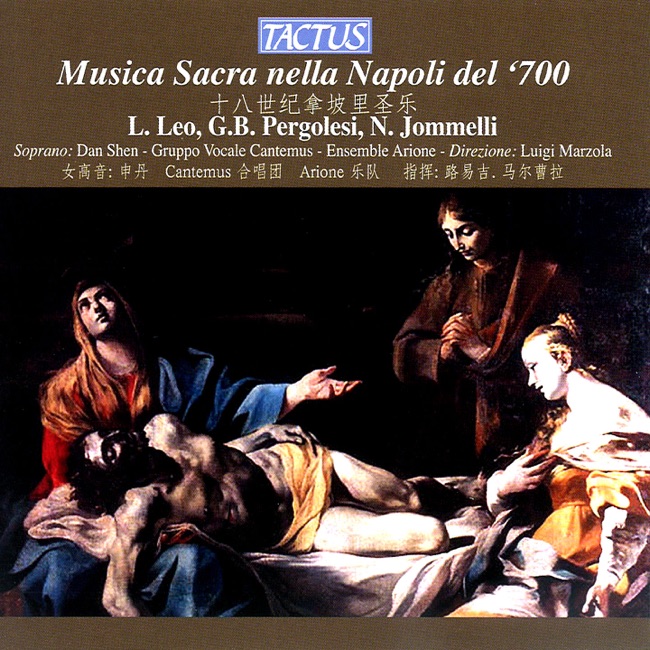
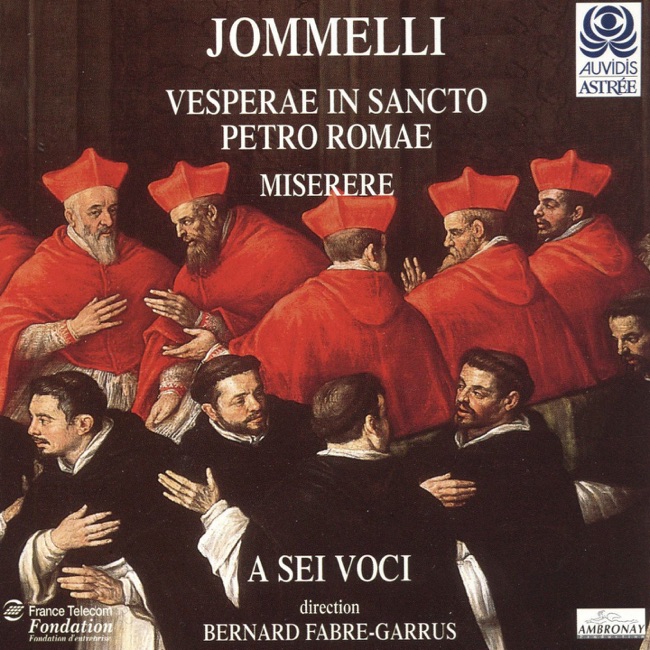
Works Info
Composer:Niccolò JommelliGenre:ChoralStyle:ChoralAverage_duration:15:22Niccolò Jommelli's Miserere for 5 voices & continuo in G minor is a sacred choral work that was composed in the mid-18th century. The exact date of composition is not known, but it is believed to have been written around 1750. The piece was first performed in Stuttgart, Germany, where Jommelli was working as the court composer for Duke Carl Eugen of Württemberg. The Miserere is divided into nine movements, each of which is based on a different section of the Latin text of Psalm 51. The first movement is a setting of the opening verse of the psalm, "Miserere mei, Deus" (Have mercy on me, O God), and features a solo soprano voice accompanied by the continuo. The second movement is a duet for soprano and alto voices, which sets the verse "Tibi soli peccavi" (Against you alone have I sinned). The third movement is a chorus that sets the verse "Asperges me hyssopo" (Purge me with hyssop), and features a lively and rhythmic melody. The fourth movement is a solo aria for alto voice, which sets the verse "Cor mundum crea in me" (Create in me a clean heart). The fifth movement is a chorus that sets the verse "Ne projicias me" (Do not cast me away), and features a plaintive melody that is sung in unison by the choir. The sixth movement is a duet for tenor and bass voices, which sets the verse "Redde mihi laetitiam salutaris tui" (Restore to me the joy of your salvation). The seventh movement is a chorus that sets the verse "Domine labia mea aperies" (Lord, open my lips), and features a lively and joyful melody. The eighth movement is a solo aria for soprano voice, which sets the verse "Tunc acceptabis sacrificium justitiae" (Then you will accept the sacrifice of righteousness). The final movement is a chorus that sets the closing verse of the psalm, "Domine, labia mea aperies" (Lord, open my lips), and features a triumphant and joyful melody. The Miserere is characterized by its expressive melodies, rich harmonies, and skillful use of counterpoint. Jommelli's use of solo voices, duets, and choruses creates a varied and dynamic texture that keeps the listener engaged throughout the piece. The continuo provides a solid foundation for the vocal parts, and adds depth and richness to the overall sound. The Miserere is a masterful example of Jommelli's skill as a composer, and remains a beloved work in the choral repertoire to this day.More....
Works Music
Released Music