


Giovanni Lulier
Artist Info
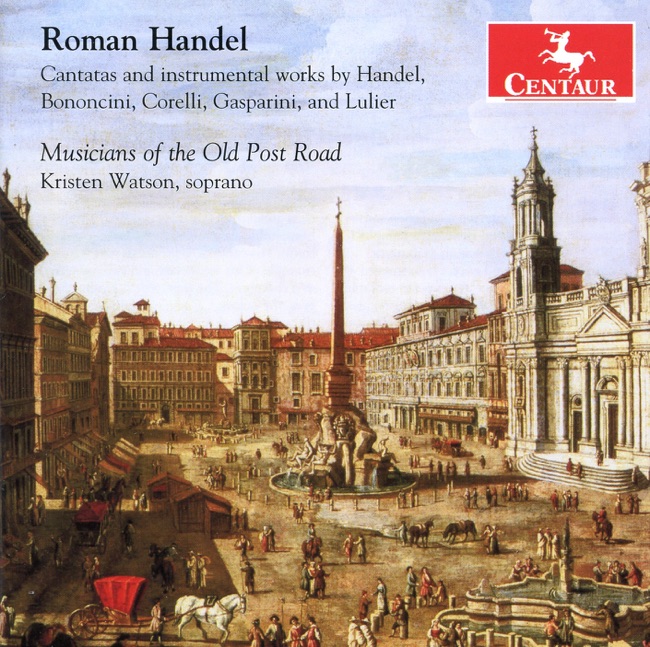
Role:ComposerGiovanni Lulier was a prominent Italian composer of the Baroque era, known for his contributions to the development of instrumental music. Born in Bologna in 1660, Lulier showed an early interest in music and began his formal training at a young age. He studied under some of the most renowned musicians of his time, including Giovanni Battista Vitali and Giovanni Paolo Colonna. Lulier's early works were primarily vocal compositions, including sacred music and operas. His first opera, "La finta pazza," was performed in Bologna in 1681 and was well-received by audiences. Over the next few years, Lulier continued to compose operas and other vocal works, including oratorios and cantatas. In the late 1680s, Lulier began to shift his focus to instrumental music. He was particularly interested in the development of the concerto grosso, a form of orchestral music that featured a small group of soloists (the concertino) accompanied by a larger ensemble (the ripieno). Lulier's early concerti grossi were influenced by the works of Corelli and other Italian composers of the time. One of Lulier's most famous works is his Concerto Grosso in D Major, Op. 1, No. 5. This piece, composed in 1690, features a lively and energetic first movement, a slow and expressive second movement, and a lively and dance-like third movement. The work showcases Lulier's skill in writing for both the soloists and the ensemble, and has become a staple of the Baroque repertoire. In addition to his concerti grossi, Lulier also composed a number of sonatas for various instruments. His Sonata in D Major for Trumpet and Strings is a particularly notable work, featuring virtuosic writing for the trumpet and a lively and dance-like final movement. Lulier's music was highly regarded during his lifetime, and he was often called upon to perform for royalty and other important figures. He spent much of his career in Bologna, where he served as the maestro di cappella (music director) at the Basilica di San Petronio. In this role, he was responsible for composing and directing music for the church's services and special events. Despite his success, Lulier's life was not without its challenges. He suffered from poor health throughout his career, and was often forced to take extended breaks from composing and performing. He also faced financial difficulties, and was forced to sell many of his manuscripts in order to make ends meet. Despite these challenges, Lulier continued to compose and perform throughout his life. He died in Bologna in 1700, at the age of 40. His legacy lives on through his music, which continues to be performed and studied by musicians and scholars around the world.More....
Recent Artist Music
Copyright Ⓒ 2013 Davinci Finger. All rights reseved
Service Terms & Policy