


Friedrich Schenker
Released Album
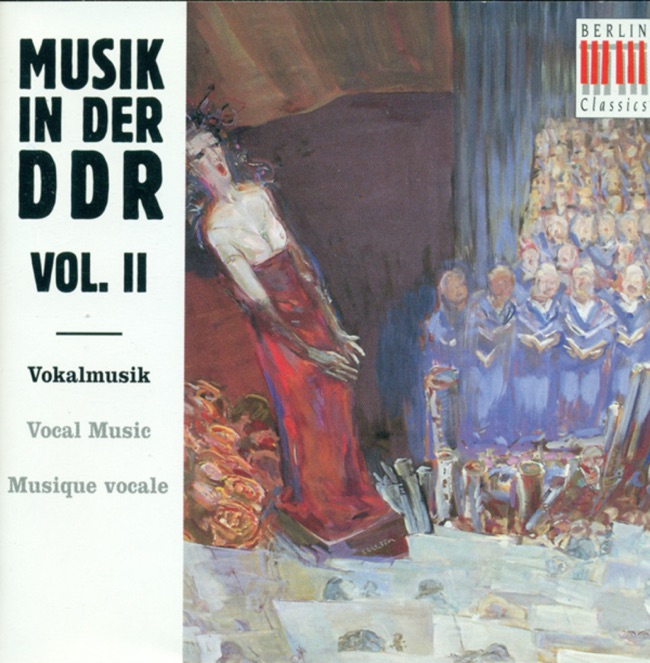
Vocal
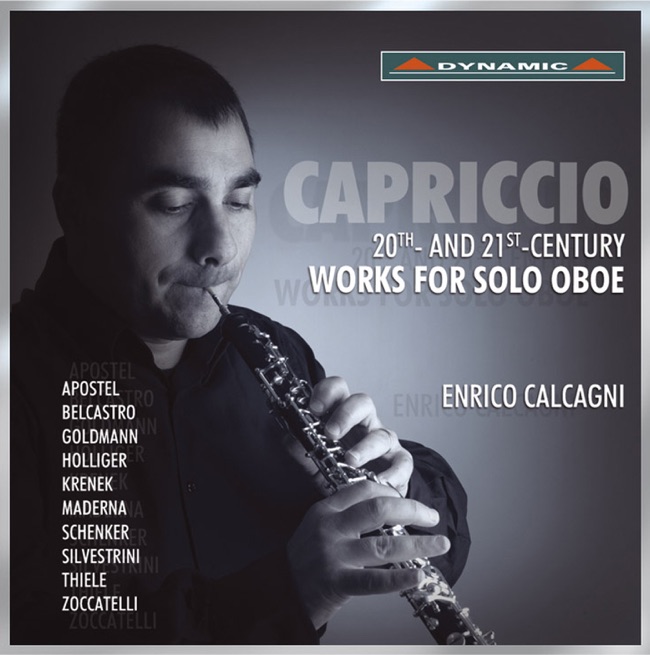
Chamber
-
 March 4, 2013
Artist Info
Role:ComposerCountry: GermanyBirth:1942 in Zeulenroda, GermanyPeriod:ContemporaryGenre:Avant-GardeConcertoOrchestralSymphonyVocalFriedrich Schenker was a German composer and music theorist who lived from 1868 to 1935. He was born in Wisniowczyk, Galicia, which was then part of the Austro-Hungarian Empire. His father was a successful businessman who encouraged his son's interest in music from an early age. Schenker began his musical education at the age of six, studying piano with his mother. He later studied with local teachers and eventually moved to Vienna to study at the Conservatory. There, he studied piano with Anton Door and composition with Robert Fuchs. He also attended lectures by the famous music theorist Heinrich Schenker, who would later become his brother. After completing his studies, Schenker worked as a freelance composer and music teacher in Vienna. He composed a variety of works, including songs, chamber music, and orchestral pieces. His early works show the influence of Brahms and other Romantic composers, but he later developed his own unique style. Schenker's most important contribution to music was his development of a new approach to music theory. He believed that the essence of music lay in its underlying structure, which he called the "Urlinie" or "fundamental line." He developed a system of analysis that focused on the relationships between the notes in a piece of music, rather than on the surface details. Schenker's theories were not widely accepted during his lifetime, but they have since become influential in the field of music theory. Many composers and theorists have used his ideas to analyze and understand the works of other composers. Schenker's most famous work is his monumental treatise "Der freie Satz" (Free Composition), which he began writing in 1906 and completed in 1935, the year of his death. The book is a comprehensive study of music theory and analysis, and it presents Schenker's ideas in their most complete form. In addition to his theoretical work, Schenker continued to compose throughout his life. His later works show a greater simplicity and clarity than his earlier works, reflecting his belief in the importance of structure and form. Schenker died in Vienna in 1935, leaving behind a legacy that has had a profound impact on the field of music theory. His ideas continue to be studied and debated by scholars and musicians around the world.More....
Recent Artist Music
Copyright Ⓒ 2013 Davinci Finger. All rights reseved
Service Terms & Policy