


Anton Urspruch
Released Album
Keyboard
-
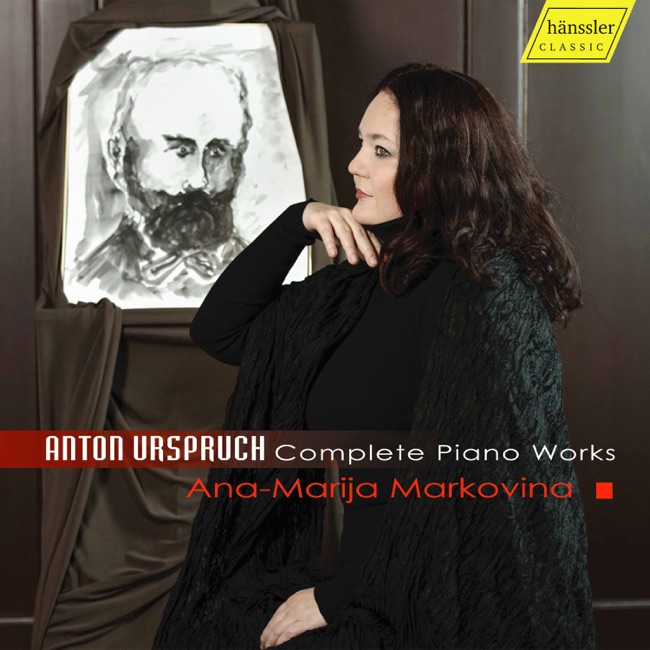 November 3, 2017
 -
 August 7, 2015
 -
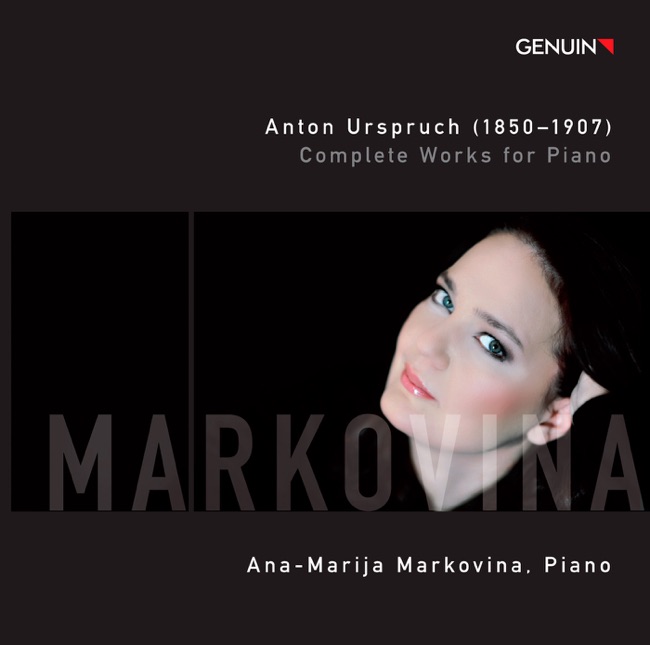 April 15, 2011
Concerto
-
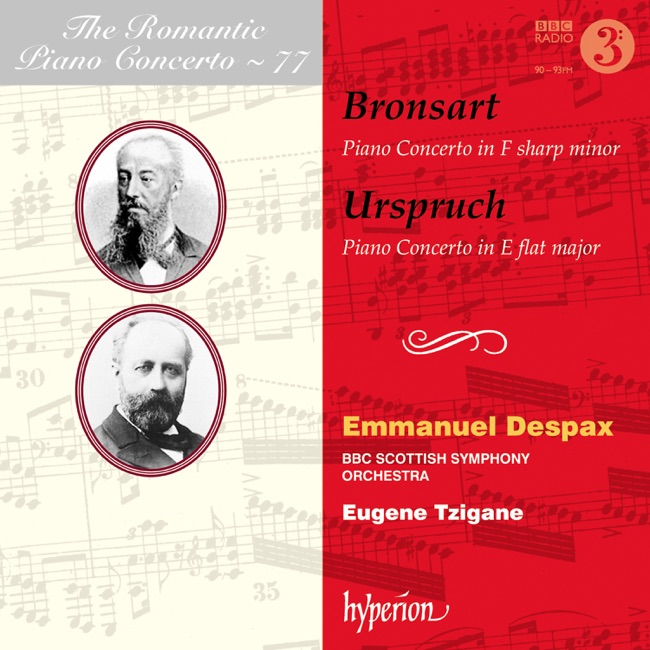 September 28, 2018
Symphony
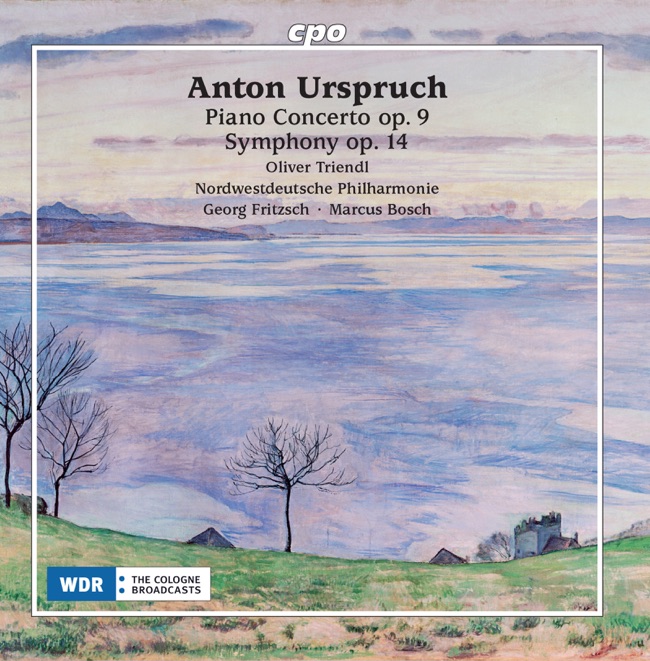
Artist Info
Role:ComposerBirth:February 17, 1850Death:January 11, 1907Period:RomanticAnton Urspruch was a German composer and pianist who lived from 1850 to 1907. He was born in Frankfurt am Main, Germany, on January 17, 1850, to a family of musicians. His father, Johann Heinrich Urspruch, was a well-known pianist and composer, and his mother, Maria Urspruch, was a singer. Anton Urspruch showed an early interest in music and began taking piano lessons from his father at a young age. Urspruch's musical education continued at the Hoch Conservatory in Frankfurt, where he studied piano with Clara Schumann and composition with Joachim Raff. He also studied with Franz Liszt in Weimar, Germany, and later with Camille Saint-Saëns in Paris, France. Urspruch's studies with these renowned musicians had a significant impact on his musical style and development as a composer. Urspruch's early compositions were heavily influenced by the Romantic style of music that was popular in the late 19th century. His works were characterized by lush harmonies, sweeping melodies, and virtuosic piano writing. Some of his most notable early works include his Piano Sonata in F minor, Op. 1, and his Piano Concerto in D minor, Op. 9. In addition to his work as a composer, Urspruch was also an accomplished pianist. He performed extensively throughout Europe, both as a soloist and as a member of various chamber music ensembles. His performances were highly regarded by audiences and critics alike, and he was often praised for his technical skill and musical sensitivity. Urspruch's career as a composer reached its peak in the 1890s, when he began to experiment with new musical forms and styles. He became interested in the music of Richard Wagner and began incorporating elements of Wagnerian opera into his own compositions. He also began to explore the possibilities of atonality and other modernist techniques, which were just beginning to emerge in the world of classical music. One of Urspruch's most significant works from this period is his Symphony in D minor, Op. 12. This piece is notable for its use of chromatic harmonies and unconventional tonal structures, which were highly innovative for the time. The symphony was premiered in Frankfurt in 1895 and was well-received by audiences and critics alike. Urspruch's later works also include a number of chamber music pieces, including his String Quartet in D minor, Op. 16, and his Piano Trio in C minor, Op. 18. These works demonstrate Urspruch's mastery of the chamber music form and his ability to create complex, multi-layered textures using a small ensemble of instruments. Despite his many accomplishments as a composer and pianist, Urspruch's career was cut short by his untimely death in 1907. He died at the age of 57 from complications related to diabetes. Despite his relatively short career, Urspruch left behind a significant body of work that continues to be performed and studied by musicians and music scholars around the world. In conclusion, Anton Urspruch was a highly talented and innovative composer and pianist who made significant contributions to the world of classical music in the late 19th and early 20th centuries. His works were characterized by lush harmonies, sweeping melodies, and virtuosic piano writing, and he was highly regarded by audiences and critics alike. Although his career was cut short by his untimely death, Urspruch's legacy lives on through his music, which continues to be performed and studied by musicians and music scholars around the world.More....
Recent Artist Music


Copyright Ⓒ 2013 Davinci Finger. All rights reseved
Service Terms & Policy