


Konstantin Shvedov
Released Album
Miscellaneous
-
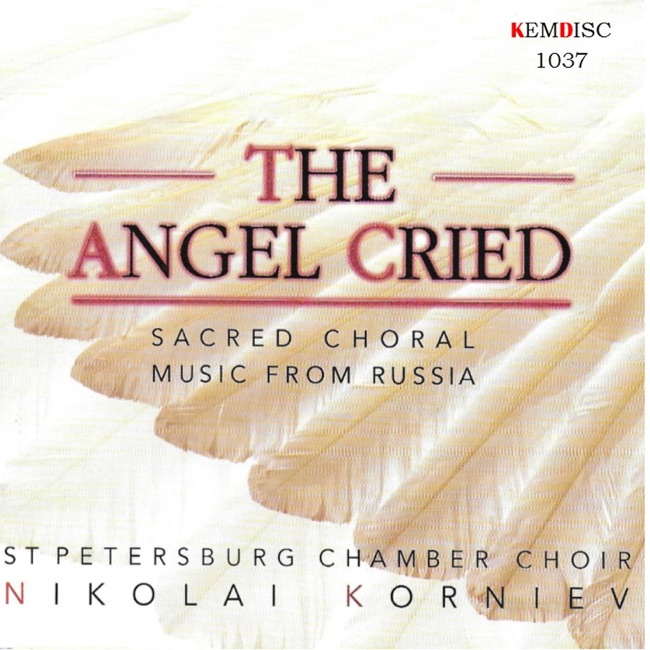 November 11, 1997
Choral
-
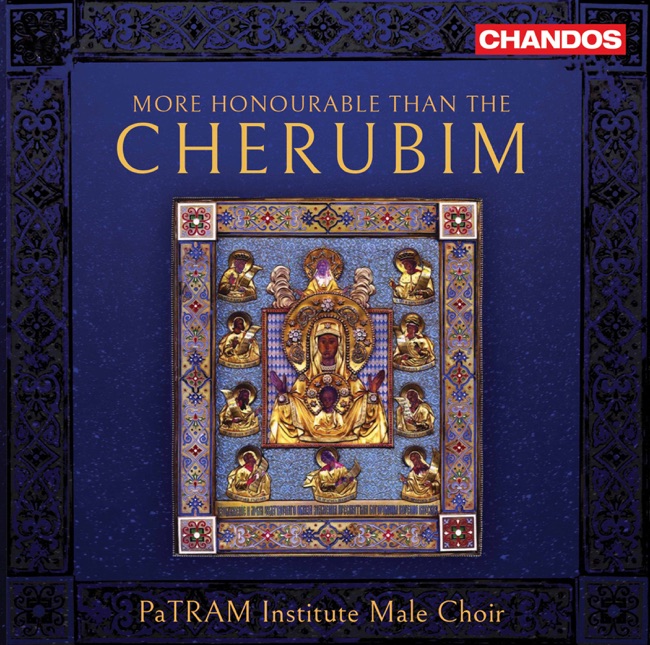 August 6, 2021
 -
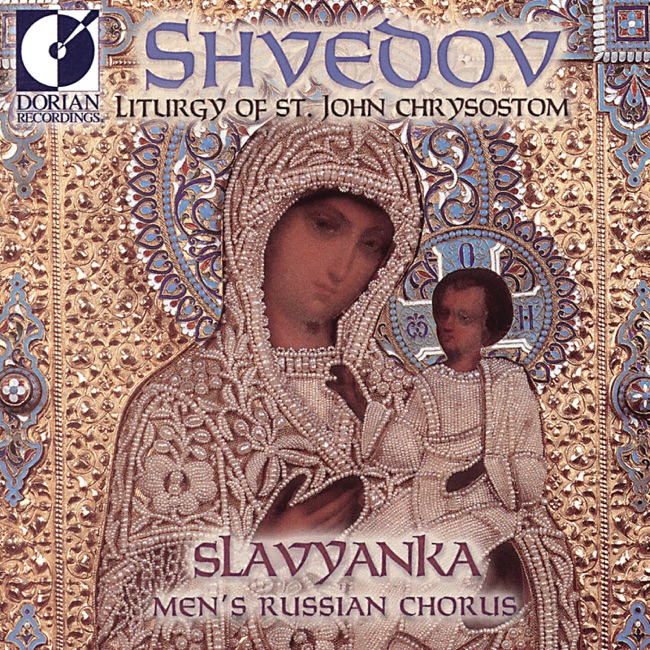 September 14, 1999
Artist Info
Role:ComposerCountry: RussiaBirth:1886Death:1954Period:ModernGenre:ChoralKonstantin Shvedov was a Russian composer and pianist who lived from 1886 to 1954. He was born in the city of Kazan, which is located in the Republic of Tatarstan in Russia. Shvedov showed an early interest in music and began studying piano at a young age. He went on to study at the Moscow Conservatory, where he was a student of Sergei Taneyev and Mikhail Ippolitov-Ivanov. Shvedov's early compositions were heavily influenced by the Romantic style of music, which was popular in Russia at the time. He wrote a number of piano pieces, including preludes, nocturnes, and waltzes, which were well-received by audiences and critics alike. In 1912, he won the prestigious Glinka Prize for his piano concerto, which was performed by the Moscow Philharmonic Orchestra. During World War I, Shvedov served in the Russian army as a musician. He played the piano for wounded soldiers in hospitals and also performed for troops on the front lines. After the war, he returned to Moscow and continued to compose music. He became known for his chamber music, which included works for piano, violin, and cello. In the 1920s, Shvedov became interested in the music of the Second Viennese School, which was a group of composers who were known for their atonal and serialist compositions. He began incorporating some of these techniques into his own music, which led to a shift in his style. His later works were more experimental and avant-garde, and he became known as one of the pioneers of modernist music in Russia. One of Shvedov's most famous works is his Piano Sonata No. 2, which was composed in 1924. The piece is notable for its use of atonality and dissonance, which were considered radical at the time. The sonata is divided into three movements, each of which explores different textures and moods. The first movement is fast and frenetic, while the second is slow and contemplative. The final movement is a lively and rhythmic dance. Another important work by Shvedov is his String Quartet No. 2, which was composed in 1930. The piece is structured in four movements, each of which is characterized by a different mood and tempo. The quartet is notable for its use of unconventional harmonies and rhythms, which create a sense of tension and unease. The piece was well-received by critics and helped establish Shvedov as a leading figure in the modernist movement in Russia. In addition to his work as a composer, Shvedov was also a respected pianist. He performed his own compositions as well as works by other composers, and he was known for his virtuosic technique and expressive playing. He also taught piano at the Moscow Conservatory, where he had a number of notable students, including the composer Nikolai Roslavets. Shvedov's career was cut short by his death in 1954, but his legacy as a composer and pianist lives on. His music continues to be performed and studied by musicians around the world, and he is remembered as one of the most important figures in the development of modernist music in Russia.More....
Recent Artist Music
2
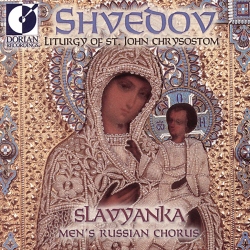
Liturgy of St. John Chrysostom
Vidyekhom Svyet IStinny; Da ispolnyatsya usta nasha (We Have Seen the True Light; Let Our Mouths Be
2:15

5
3:8
Copyright Ⓒ 2013 Davinci Finger. All rights reseved
Service Terms & Policy