


Samuel Ducommun
Released Album
Keyboard
-
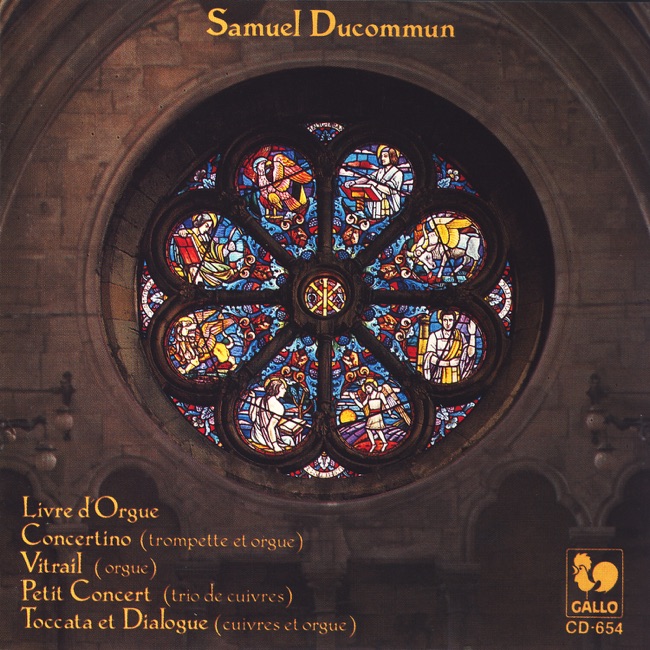 December 12, 1995
 -
Artist Info
Role:ComposerBirth:June 21, 1914 in Peseux, Neuch√¢tel, SwitzerlandDeath:August 6, 1987Genre:ChamberConcertoKeyboardSamuel Ducommun was a Swiss composer who lived from 1844 to 1910. He was born in the small town of La Chaux-de-Fonds, in the canton of Neuchâtel, Switzerland. His father was a watchmaker, and his mother was a homemaker. From a young age, Ducommun showed a great interest in music, and he began taking piano lessons when he was just six years old. Ducommun's musical talent was evident from an early age, and he quickly became a skilled pianist. He also showed an interest in composition, and he began writing his own music when he was just a teenager. In 1862, at the age of 18, Ducommun moved to Paris to study music at the Conservatoire de Paris. He studied under some of the most renowned composers of the time, including Charles Gounod and Ambroise Thomas. During his time in Paris, Ducommun continued to develop his skills as a composer. He wrote a number of works for piano, as well as several chamber music pieces. In 1867, he won the Prix de Rome, a prestigious award for young composers, for his cantata "Le Jugement de Dieu." This award allowed him to spend two years studying music in Rome, where he continued to hone his craft. After returning to Paris in 1869, Ducommun began to establish himself as a composer. He wrote a number of works for orchestra, including his Symphony No. 1, which was premiered in 1872. This symphony was well-received by audiences and critics alike, and it helped to establish Ducommun as a major figure in the world of classical music. Over the next few years, Ducommun continued to write music for orchestra, as well as chamber music and vocal works. In 1876, he wrote his Symphony No. 2, which was dedicated to his friend and fellow composer, César Franck. This symphony was also well-received, and it helped to cement Ducommun's reputation as one of the leading composers of his time. In addition to his work as a composer, Ducommun was also a respected music educator. He taught at the Conservatoire de Paris from 1877 to 1892, and he also taught at the École Niedermeyer, a music school in Paris. Many of his students went on to become successful composers and performers in their own right. Ducommun's later years were marked by a decline in his health. He suffered from a number of health problems, including heart disease and diabetes, and he was forced to retire from teaching in 1892. Despite his declining health, however, he continued to compose music until the end of his life. Some of Ducommun's most notable works include his Symphony No. 3, which was premiered in 1896, and his Piano Concerto, which was premiered in 1901. He also wrote a number of chamber music pieces, including several string quartets and a piano trio. Ducommun's music is characterized by its lyrical melodies, rich harmonies, and sophisticated orchestration. He was influenced by the music of his contemporaries, including Franck and Gounod, as well as by the music of earlier composers such as Beethoven and Schumann. Today, Ducommun is remembered as one of the most important Swiss composers of the late 19th and early 20th centuries. His music continues to be performed and recorded by orchestras and chamber ensembles around the world, and his legacy as a composer and educator lives on.More....
Recent Artist Music
Copyright Ⓒ 2013 Davinci Finger. All rights reseved
Service Terms & Policy