


Jules Semler-Collery
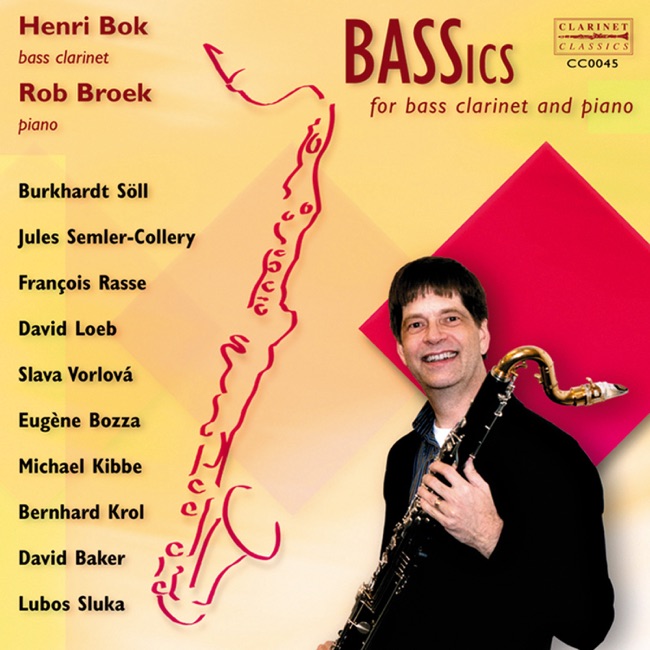
Artist Info
Role:Composer ConductorBirth:1902Death:1988Period:ModernGenre:ChamberJules Semler-Collery was a French composer and organist who lived from 26th October 1868 to 22nd January 1943. He was born in Paris, France, to a family of musicians. His father, Charles Collery, was a composer and organist, and his mother, Marie Semler, was a pianist. Jules Semler-Collery was the youngest of their three children. Jules Semler-Collery showed an early interest in music and began studying the piano at a young age. He later studied the organ with his father and composition with Charles Lenepveu at the Paris Conservatory. He won the Prix de Rome in 1891 for his cantata "Le Jugement de Dieu," which allowed him to study in Rome for four years. Upon his return to Paris, Semler-Collery became a professor of harmony at the Paris Conservatory. He also served as the organist at the Church of Saint-Francois-Xavier in Paris from 1904 to 1933. During this time, he composed numerous works for the organ, including his "Suite for Organ" and "Fantaisie for Organ." Semler-Collery's music was heavily influenced by the French Romantic tradition, particularly the music of Cesar Franck and Charles-Marie Widor. His compositions are characterized by their rich harmonies, lyrical melodies, and virtuosic organ writing. One of Semler-Collery's most famous works is his "Symphony No. 1 for Organ and Orchestra," which he composed in 1906. The symphony is scored for a large orchestra, including a solo organ, and is divided into four movements. The first movement, "Allegro moderato," features a majestic organ introduction followed by a lively orchestral theme. The second movement, "Andante," is a lyrical and expressive adagio that showcases the organ's ability to create a wide range of colors and textures. The third movement, "Scherzo," is a playful and energetic scherzo that features a virtuosic organ solo. The final movement, "Allegro," is a triumphant and majestic finale that brings the symphony to a thrilling conclusion. Another notable work by Semler-Collery is his "Suite for Organ," which he composed in 1911. The suite is divided into five movements, each of which showcases a different aspect of the organ's capabilities. The first movement, "Prelude," is a grand and majestic introduction that features a full organ sound. The second movement, "Fugue," is a contrapuntal tour-de-force that demonstrates Semler-Collery's mastery of counterpoint. The third movement, "Choral," is a lyrical and expressive meditation on a hymn tune. The fourth movement, "Scherzo," is a playful and virtuosic scherzo that features rapid-fire organ runs and arpeggios. The final movement, "Toccata," is a thrilling and virtuosic finale that showcases the full power and range of the organ. Semler-Collery also composed numerous works for solo organ, including his "Fantaisie for Organ," which he composed in 1904. The fantasia is a virtuosic tour-de-force that features rapid-fire runs, arpeggios, and intricate counterpoint. It is a popular work among organists and is often performed in recitals and concerts. In addition to his work as a composer and organist, Semler-Collery was also a respected music educator. He served as a professor of harmony at the Paris Conservatory from 1905 to 1937 and was known for his rigorous and demanding teaching style. Many of his students went on to become successful composers and musicians in their own right.More....
Recent Artist Music

Copyright Ⓒ 2013 Davinci Finger. All rights reseved
Service Terms & Policy