


Julián Orbón
Released Album
Chamber
-
 September 10, 2021
 -
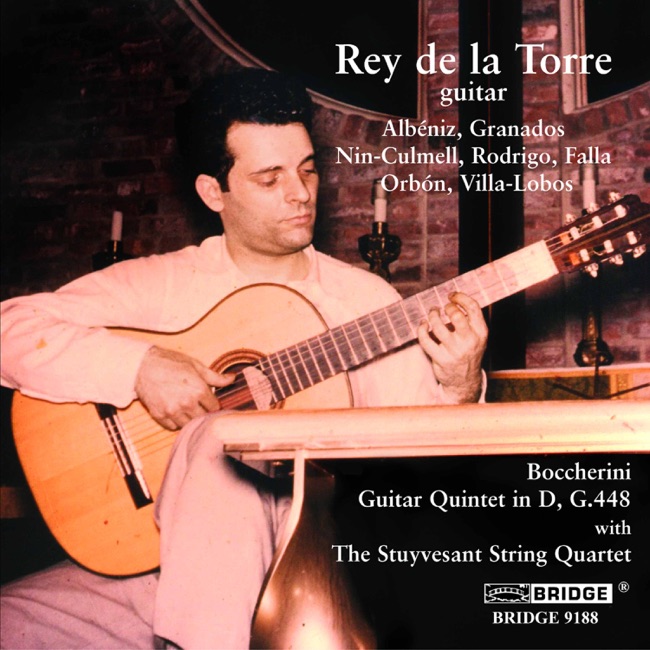 April 25, 2006
 -
 November 2, 2005
 -
 November 25, 2003
 -
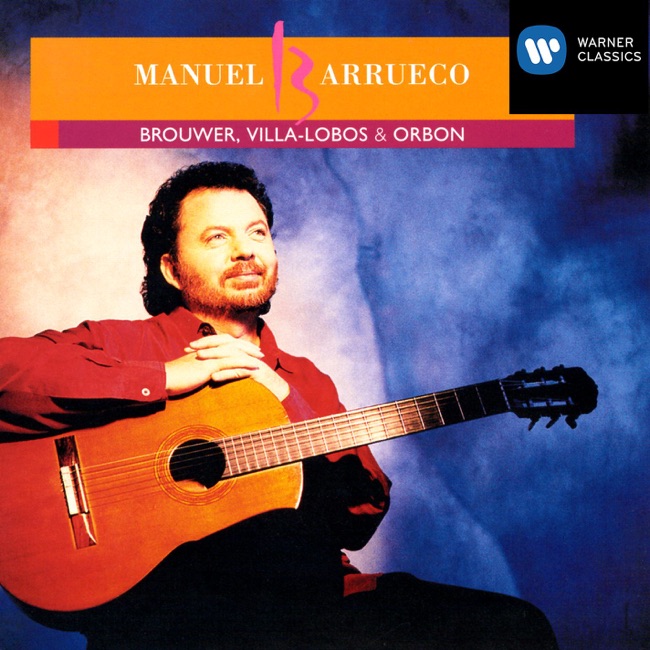 November 11, 1997
 -
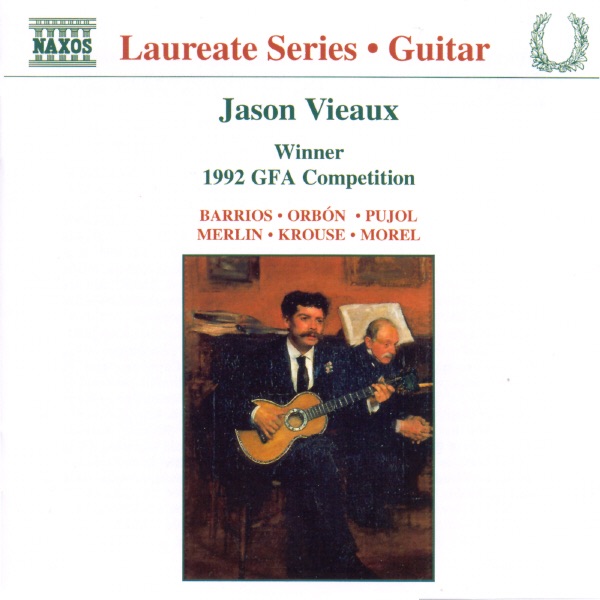 December 17, 1996
Orchestral
-
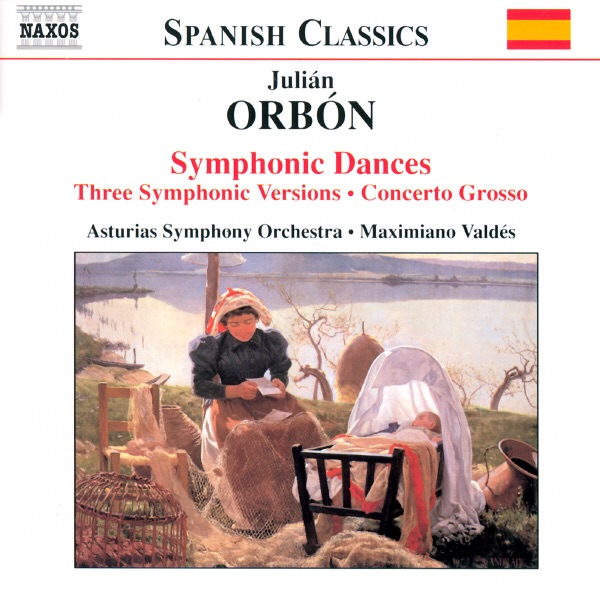 February 17, 2004
 -
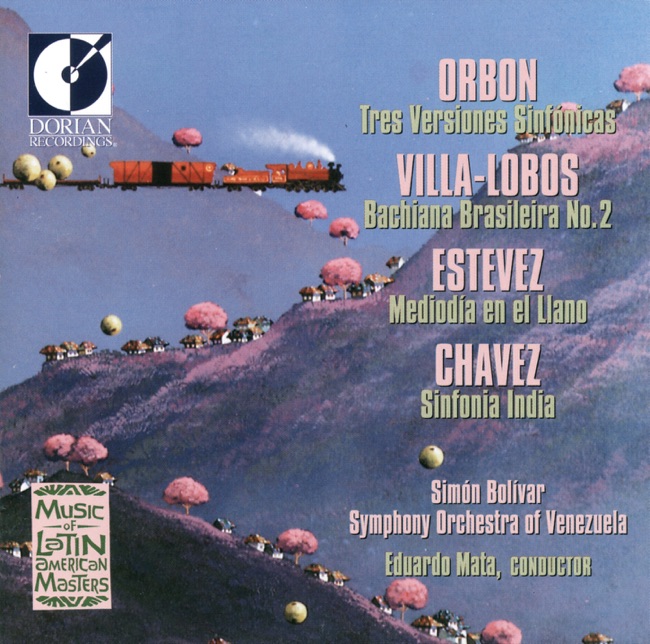 February 1, 1994
Concerto
-
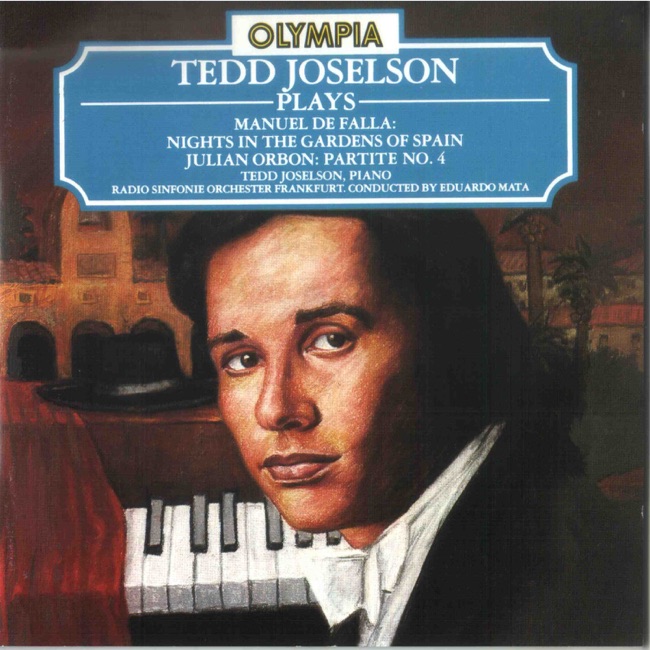 January 17, 2000
Artist Info
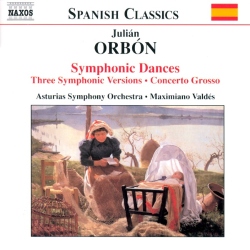
Role:ComposerCountry: SpainBirth:August 7, 1925 in Asturias, SpainDeath:May 21, 1991 in Miami, FLGenre:ChamberConcertoVocalJulián Orbón was a Spanish composer who was born on August 7, 1925, in Avilés, Asturias, Spain. He was the son of a prominent physician and a pianist, and his family was deeply involved in the arts. Orbón began his musical studies at a young age, and he showed great promise as a composer from an early age. Orbón's family moved to Madrid when he was a child, and he continued his musical studies there. He studied composition with Conrado del Campo and Joaquín Rodrigo, and he also studied piano and conducting. In 1946, he won a scholarship to study at the Juilliard School in New York City, where he studied with Vincent Persichetti and Aaron Copland. Orbón's time in New York was a formative period in his life and career. He was exposed to a wide range of musical styles and ideas, and he began to develop his own unique voice as a composer. He also became involved in the vibrant cultural scene in New York, and he met many important artists and musicians. After completing his studies at Juilliard, Orbón returned to Spain and began to establish himself as a composer. He quickly gained a reputation as one of the most promising young composers in Spain, and his works were performed by leading orchestras and ensembles. In 1953, he won the National Music Prize for his composition "Tres versiones sinfónicas." Orbón's music is characterized by its rhythmic vitality, colorful orchestration, and eclectic influences. He drew inspiration from a wide range of sources, including Spanish folk music, jazz, and the music of other cultures. His works often feature complex rhythms and harmonies, and they are known for their energy and intensity. One of Orbón's most famous works is his "Tres versiones sinfónicas," which was composed in 1952. The piece is a set of three variations on a theme, and it showcases Orbón's skill as a composer. The work is notable for its use of complex rhythms and harmonies, and it has become a staple of the orchestral repertoire. Another important work by Orbón is his "Concerto Grosso," which was composed in 1954. The piece is a tribute to the Baroque concerto grosso form, and it features a solo violin and a small ensemble of strings. The work is notable for its intricate counterpoint and its use of Spanish folk melodies. Orbón also composed a number of works for the piano, including his "Sonata para piano" and his "Tres improvisaciones." These works showcase Orbón's skill as a pianist and his ability to create complex and engaging music for the instrument. In addition to his work as a composer, Orbón was also a respected conductor and music educator. He served as the conductor of the Spanish National Orchestra from 1962 to 1965, and he also taught at the Madrid Conservatory and the University of Puerto Rico. Orbón's career was cut short by his untimely death in 1991. However, his music continues to be performed and admired by musicians and audiences around the world. His legacy as one of Spain's most important composers is secure, and his influence can be heard in the work of many contemporary composers. In conclusion, Julián Orbón was a talented and innovative composer who made significant contributions to the world of classical music. His music is characterized by its rhythmic vitality, colorful orchestration, and eclectic influences, and it continues to be admired and performed today. Orbón's legacy as one of Spain's most important composers is secure, and his work remains an important part of the classical music canon.More....

Copyright Ⓒ 2013 Davinci Finger. All rights reseved
Service Terms & Policy