


Jacob Polak
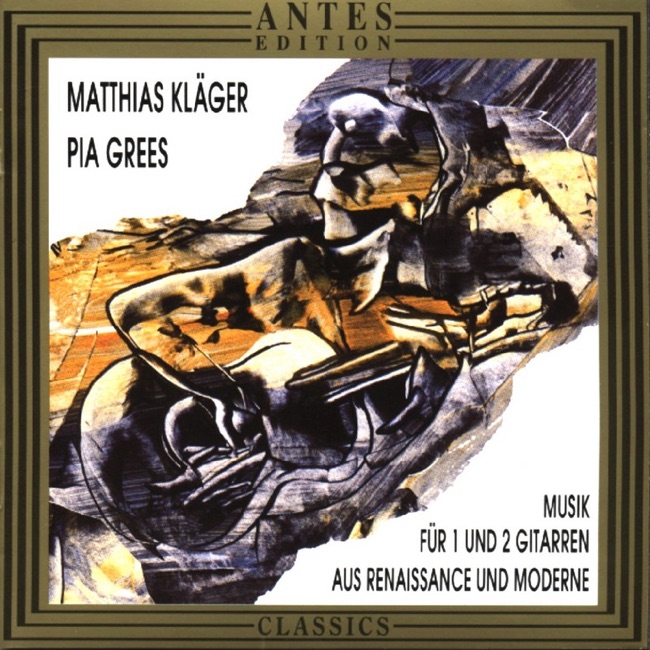
Artist Info
Role:ComposerBirth:1546Death:1605Jacob Polak was a classical music composer born on May 12, 1922, in Vienna, Austria. He was the youngest of three children born to a Jewish family. His father was a successful businessman, and his mother was a talented pianist who encouraged her children to pursue music. Polak showed an early interest in music and began taking piano lessons at the age of six. He quickly showed a natural talent for the instrument and began composing his own music by the age of ten. His parents recognized his potential and enrolled him in the Vienna Conservatory, where he studied composition, piano, and conducting. In 1938, when Polak was just sixteen years old, Austria was annexed by Nazi Germany. As a Jew, Polak was no longer allowed to attend the conservatory, and his family was forced to flee the country. They eventually settled in the United States, where Polak continued his musical studies at the Juilliard School in New York City. Polak's early compositions were heavily influenced by the music of his native Austria, particularly the works of Mozart and Beethoven. He also drew inspiration from the music of other European composers, such as Bach, Chopin, and Debussy. His early works were characterized by their lyrical melodies, intricate harmonies, and complex rhythms. In 1944, Polak was drafted into the United States Army and served as a musician in the Army Band. During his time in the military, he continued to compose music and even wrote a symphony that was performed by the Army Band. After his discharge from the military, Polak returned to New York City and began working as a freelance composer and arranger. He wrote music for films, television shows, and commercials, as well as concert works for orchestras and chamber ensembles. One of Polak's most famous works is his Symphony No. 1, which he composed in 1952. The symphony is a four-movement work that showcases Polak's mastery of orchestration and his ability to create powerful emotional effects through music. The first movement is a lively and energetic allegro, while the second movement is a hauntingly beautiful adagio. The third movement is a playful scherzo, and the final movement is a triumphant allegro that brings the symphony to a thrilling conclusion. Polak's other notable works include his Piano Concerto, which he composed in 1960, and his String Quartet No. 1, which he wrote in 1972. The Piano Concerto is a virtuosic work that features a solo piano accompanied by a full orchestra. The String Quartet is a more intimate work that showcases Polak's skill at writing for small ensembles. Throughout his career, Polak was known for his dedication to his craft and his commitment to creating music that was both beautiful and meaningful. He was a prolific composer who wrote music in a variety of styles and genres, but his works were always characterized by their emotional depth and technical excellence. Polak continued to compose music until his death in 1999 at the age of 77. His legacy as a composer and musician lives on through his many works, which continue to be performed and enjoyed by audiences around the world.More....

Copyright Ⓒ 2013 Davinci Finger. All rights reseved
Service Terms & Policy