


Wilhelmine von Bayreuth
Released Album
Chamber
-
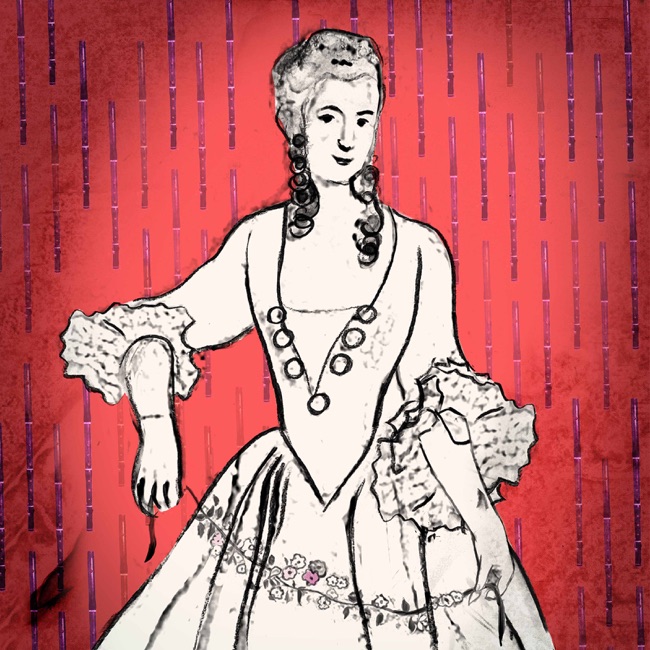 January 21, 2022
 -
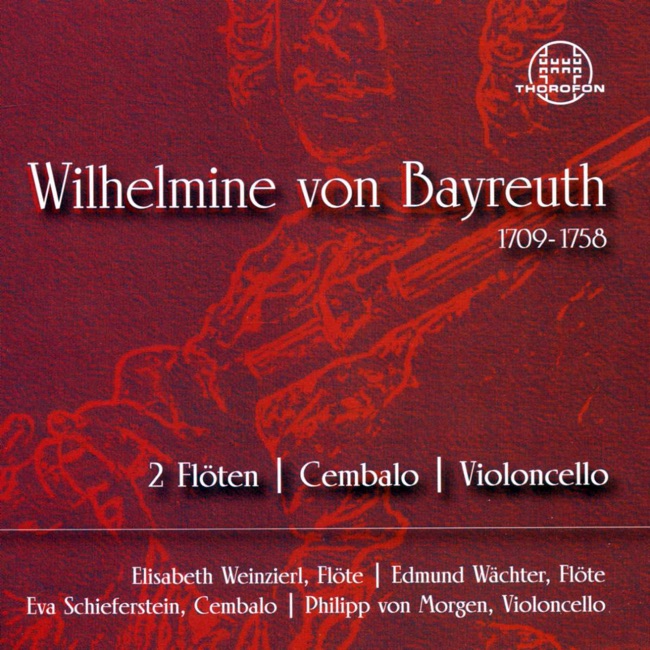 August 27, 2010
Opera
-
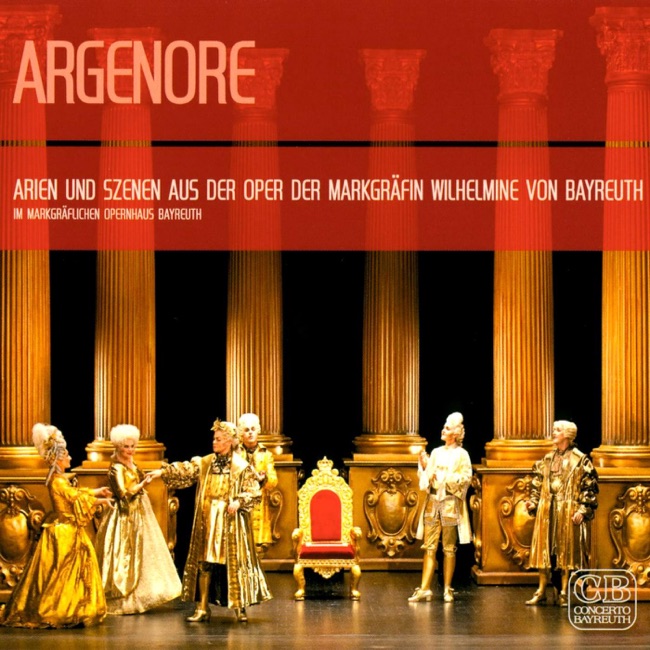 2009
2009
Artist Info
Role:ComposerWilhelmine von Bayreuth was a German composer and musician who lived from 1709 to 1758. She was born in Berlin, the daughter of King Frederick William I of Prussia and his wife, Sophia Dorothea of Hanover. Her father was known for his love of music, and he encouraged his children to learn to play instruments and sing. Wilhelmine showed a particular talent for music from a young age, and she began composing her own pieces when she was just a teenager. In 1731, Wilhelmine married Margrave Frederick of Bayreuth, and she moved to his court in the town of Bayreuth. There, she continued to compose music and perform for her husband and his guests. She also became involved in the cultural life of the town, attending concerts and operas and hosting her own musical events. Wilhelmine's music was influenced by the Baroque style that was popular in Germany at the time. She wrote a number of vocal works, including cantatas, arias, and songs, as well as instrumental pieces for keyboard and other instruments. Her music was known for its emotional depth and expressive melodies, and it was often performed at court and in public concerts. One of Wilhelmine's most famous works is her opera "Arminio," which was first performed in Bayreuth in 1745. The opera tells the story of the Germanic hero Arminius, who led a rebellion against the Roman Empire in the first century AD. The music is full of dramatic arias and choruses, and it showcases Wilhelmine's skill as a composer of opera. Another notable work by Wilhelmine is her "Sonata for Flute and Basso Continuo in G minor," which was published in 1738. The piece is a virtuosic showcase for the flute, with fast runs and intricate ornamentation. It is still performed today by flutists around the world. Wilhelmine's music was well-regarded in her own time, and she was known as one of the most talented female composers of the Baroque era. However, her music fell out of favor after her death, and it was largely forgotten until the 20th century. Today, there is renewed interest in her work, and her music is being performed and recorded by musicians around the world. In addition to her musical accomplishments, Wilhelmine was also known for her literary and artistic pursuits. She wrote poetry and prose, and she was an accomplished painter and sculptor. She was also a patron of the arts, supporting other musicians and artists in Bayreuth and beyond. Wilhelmine died in 1758 at the age of 49. Her legacy as a composer and musician has endured, and her music continues to inspire and delight audiences today.More....
Recent Artist Music
Copyright Ⓒ 2013 Davinci Finger. All rights reseved
Service Terms & Policy