


Friedrich Witt
Released Album
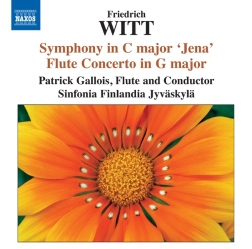
Symphony
-
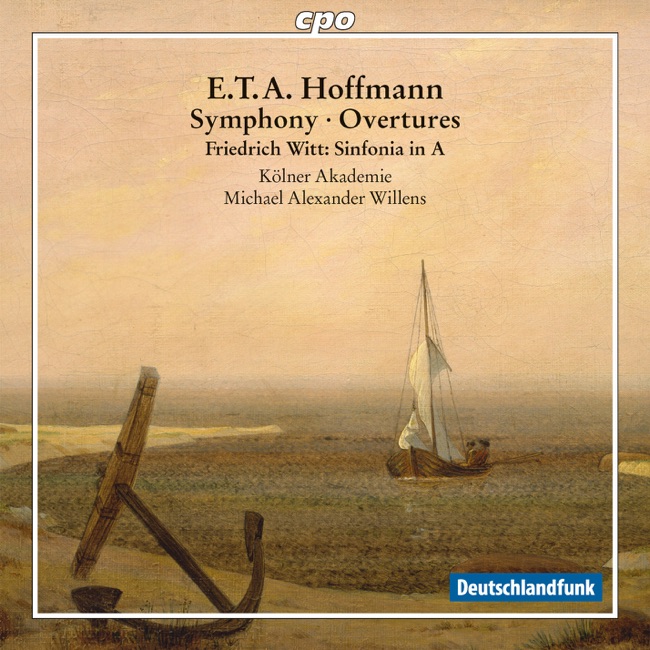 February 10, 2015
 -
-
 July 12, 2005
Concerto
Chamber
-
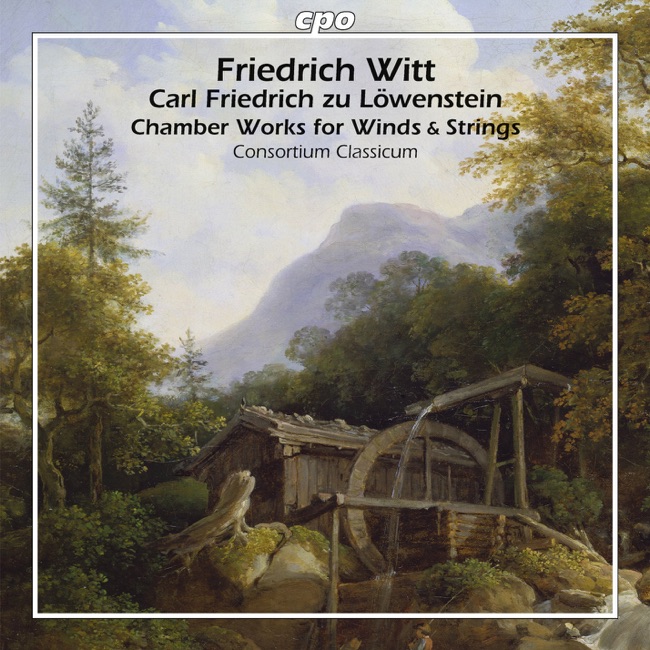
-
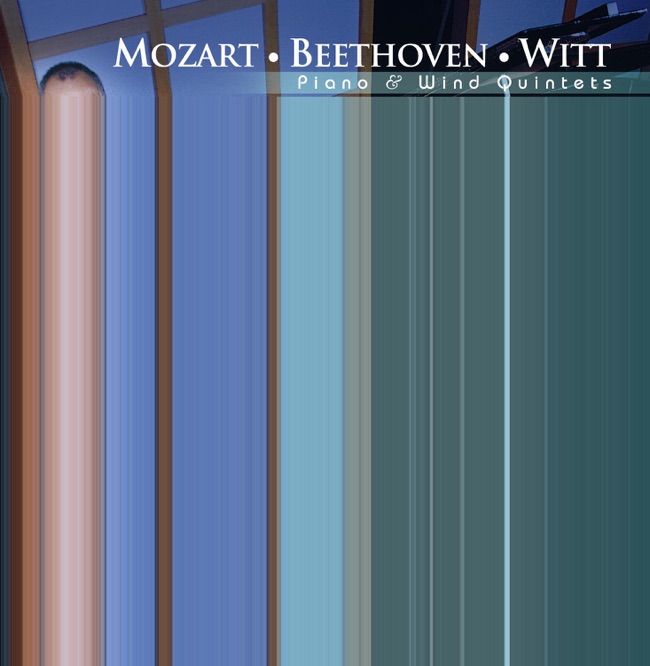 December 26, 2000
Artist Info
Role:ComposerBirth:November 8, 1770Death:January 3, 1836Period:RomanticGenre:ChamberFriedrich Witt was a German composer and cellist who lived from 1770 to 1836. He was born in Weimar, Germany, and showed an early aptitude for music. His father, Johann Witt, was a cellist in the court orchestra of Duke Ernst August II of Saxe-Weimar-Eisenach, and Friedrich began studying the cello with him at a young age. Witt's talent as a cellist was recognized early on, and he was soon performing in public concerts. In 1785, at the age of 15, he was appointed to the court orchestra in Weimar, where he played under the direction of Johann Nepomuk Hummel. He continued to perform in various orchestras throughout his career, including the court orchestra in Dessau and the orchestra of the Berlin Opera. In addition to his career as a cellist, Witt was also a prolific composer. He wrote over 100 works, including symphonies, chamber music, and operas. His music was influenced by the classical style of Mozart and Haydn, but also showed elements of the Romantic style that was emerging during his lifetime. One of Witt's most famous works is his Symphony No. 3 in C minor, which was composed in 1806. The symphony is notable for its dramatic opening, which features a slow, mournful melody played by the cellos and basses. This is followed by a fast, energetic section that showcases the full orchestra. The symphony is considered one of Witt's most accomplished works, and is still performed today. Witt also wrote a number of chamber music works, including several string quartets and quintets. His String Quartet No. 3 in C major is particularly well-known, and is considered one of the finest examples of the classical string quartet form. The work features a lively first movement, a lyrical second movement, a playful minuet, and a lively finale. In addition to his instrumental works, Witt also composed several operas. His most famous opera is probably "Rübezahl," which was first performed in Berlin in 1819. The opera is based on a German folk tale about a mountain spirit who grants wishes to mortals. The music is lively and colorful, with a number of memorable arias and ensembles. Despite his success as a composer and performer, Witt struggled financially throughout his life. He was often forced to take on teaching positions to make ends meet, and he never achieved the level of fame and recognition that some of his contemporaries enjoyed. Nevertheless, his music has endured, and is still performed and recorded today. Witt died in Berlin in 1836, at the age of 66. He left behind a legacy of music that is still appreciated by classical music lovers around the world. His works are notable for their melodic beauty, their technical skill, and their ability to capture the spirit of the classical and Romantic eras.More....
Recent Artist Music
3
9:20
5
Septet in F major
Adagio. Allegro maestoso
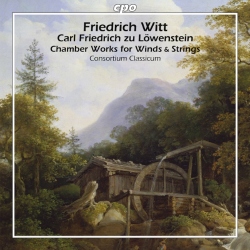
Chamber Works for Winds & Strings: Friedrich Witt, Carl Friedrich zu Löwenstein-Wertheim-Freudenberg
8:39
Copyright Ⓒ 2013 Davinci Finger. All rights reseved
Service Terms & Policy