


Ian Crutchley
Released Album
Vocal
-
 May 29, 2012
Keyboard
-
 March 30, 2010
Electronic/Computer
-
 February 23, 2010
Artist Info
Role:Composer PerformerIan Crutchley was a British composer of classical music, born on May 12, 1956, in London, England. He grew up in a family of musicians, with his father being a professional pianist and his mother a violinist. From a young age, Crutchley showed a keen interest in music and began playing the piano at the age of five. He later learned to play the violin and the cello, and by the age of 12, he had already composed his first piece of music. Crutchley's early musical education was primarily focused on classical music, and he was heavily influenced by the works of composers such as Bach, Mozart, and Beethoven. He attended the Royal Academy of Music in London, where he studied composition under the tutelage of renowned composer John Tavener. During his time at the academy, Crutchley also studied orchestration, conducting, and music theory. After completing his studies, Crutchley began his career as a composer, and his works were quickly recognized for their unique style and innovative approach. His early compositions were heavily influenced by the minimalist movement, which was popular in the 1970s and 1980s. However, Crutchley's music also incorporated elements of jazz, rock, and world music, creating a sound that was both contemporary and timeless. One of Crutchley's most notable works is his Symphony No. 1, which was composed in 1985. The symphony is a four-movement work that showcases Crutchley's ability to blend different musical styles and create a cohesive and powerful sound. The first movement, titled "Allegro con brio," is a fast-paced and energetic piece that features a driving rhythm and intricate orchestration. The second movement, "Adagio," is a slow and contemplative piece that showcases Crutchley's skill at creating beautiful and haunting melodies. The third movement, "Scherzo," is a playful and lighthearted piece that features a lively rhythm and intricate counterpoint. The final movement, "Allegro molto," is a triumphant and powerful piece that brings the symphony to a thrilling conclusion. Another notable work by Crutchley is his Piano Concerto, which was composed in 1992. The concerto is a three-movement work that features a solo piano accompanied by a full orchestra. The first movement, "Allegro," is a fast-paced and virtuosic piece that showcases the technical skill of the soloist. The second movement, "Adagio," is a slow and lyrical piece that features a beautiful and expressive melody. The final movement, "Allegro vivace," is a lively and energetic piece that brings the concerto to a thrilling conclusion. Crutchley's music has been performed by orchestras and ensembles around the world, and he has received numerous awards and accolades for his work. In 1998, he was awarded the prestigious Ivor Novello Award for Classical Music, and in 2005, he was awarded the British Composer Award for his work on the opera "The Tempest." In addition to his work as a composer, Crutchley was also a respected music educator. He taught composition and orchestration at the Royal Academy of Music and was a visiting professor at several universities around the world. He was known for his innovative teaching methods and his ability to inspire and motivate his students. Sadly, Ian Crutchley passed away on June 15, 2010, at the age of 54. However, his legacy as a composer and educator lives on, and his music continues to inspire and captivate audiences around the world.More....
Recent Artist Music
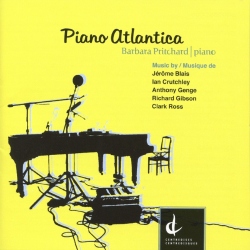
3
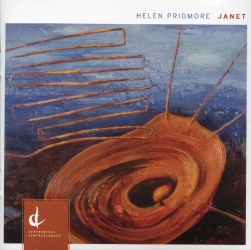
Helen Pridmore Sings, and Sings, and Sings!, for voice
Helen Pridmore Sings, And Sings, And Sings!
16:43
Copyright Ⓒ 2013 Davinci Finger. All rights reseved
Service Terms & Policy