


Joseph Ahrens
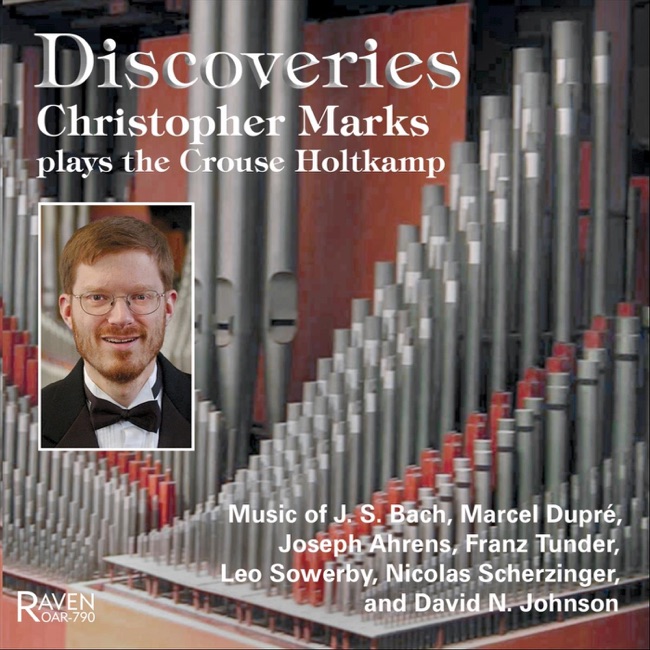
Artist Info
Role:ComposerCountry: GermanyBirth:April 17, 1904 in Sommersell, WestphaliaDeath:December 21, 1997 in Berlin, GermanyPeriod:ModernGenre:KeyboardJoseph Ahrens was a German composer born on August 22, 1828, in the city of Hamburg. He was the son of a musician and grew up in a musical family. His father, Johann Ahrens, was a violinist and conductor, and his mother, Maria Ahrens, was a singer. Joseph showed an early interest in music and began studying the piano and violin at a young age. At the age of 16, Joseph Ahrens entered the Leipzig Conservatory, where he studied composition with Felix Mendelssohn and Robert Schumann. He also studied piano with Ignaz Moscheles and violin with Ferdinand David. Ahrens was a talented student and quickly gained recognition for his musical abilities. After completing his studies at the Leipzig Conservatory, Ahrens returned to Hamburg, where he began his career as a composer and conductor. He quickly established himself as one of the leading musicians in the city and was appointed conductor of the Hamburg Philharmonic Society in 1852. Ahrens' early works were heavily influenced by the Romantic composers of his time, particularly Mendelssohn and Schumann. His music was characterized by its lyrical melodies, rich harmonies, and expressive use of orchestration. Some of his early works include the Symphony No. 1 in C minor, Op. 5, and the Piano Concerto No. 1 in E-flat major, Op. 7. In 1856, Ahrens was appointed conductor of the Berlin Philharmonic Orchestra, one of the most prestigious orchestras in Europe. During his time in Berlin, Ahrens continued to compose and conduct, and his music began to evolve. He began to experiment with new forms and techniques, incorporating elements of folk music and other styles into his compositions. One of Ahrens' most famous works from this period is the Symphony No. 2 in D major, Op. 12, which was premiered in Berlin in 1860. The symphony is notable for its use of folk melodies and its innovative use of orchestration. It was well-received by audiences and critics alike and helped to establish Ahrens as one of the leading composers of his time. In 1864, Ahrens returned to Hamburg, where he continued to compose and conduct. He became the director of the Hamburg State Opera in 1870, a position he held for 20 years. During his time at the opera, Ahrens composed several operas, including Der Ring des Nibelungen, which was based on the epic poem by Richard Wagner. Ahrens' later works were characterized by their complexity and sophistication. He continued to experiment with new forms and techniques, incorporating elements of impressionism and modernism into his compositions. Some of his most famous works from this period include the Symphony No. 3 in F minor, Op. 32, and the Piano Concerto No. 2 in A minor, Op. 35. Ahrens' music was highly regarded by his contemporaries, and he was considered one of the leading composers of his time. His works were performed by some of the most prestigious orchestras and conductors in Europe, and he was widely recognized for his contributions to the development of classical music. Joseph Ahrens died on January 12, 1901, in Hamburg, Germany. He left behind a legacy of innovative and influential music that continues to be celebrated and performed to this day.More....
Copyright Ⓒ 2013 Davinci Finger. All rights reseved
Service Terms & Policy