


Pierre Pinchik
Released Album
Vocal
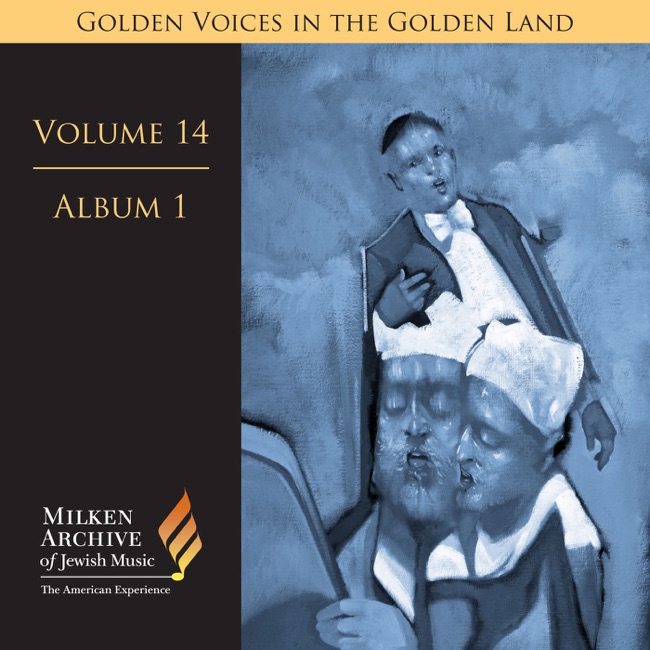
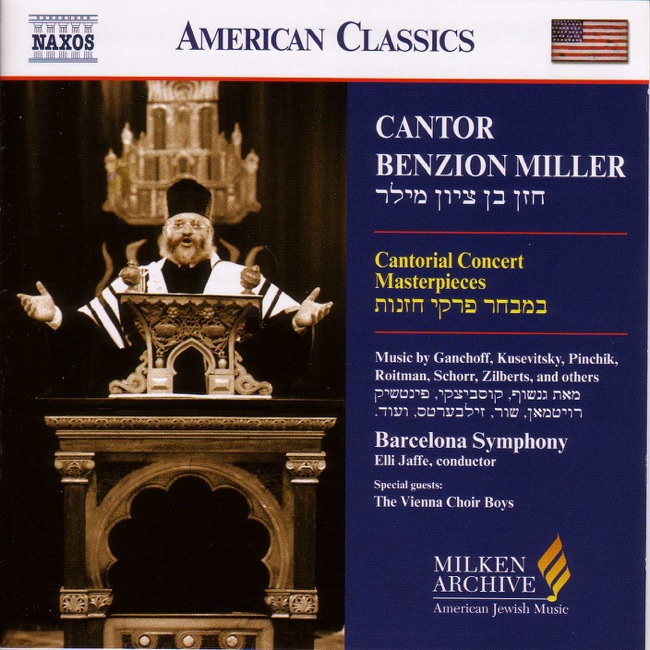
Artist Info
Role:Composer PerformerBirth:ca. 1893Death:1971Pierre Pinchik was a classical music composer born on May 12, 1891, in Paris, France. He was the son of a Jewish family who had immigrated to France from Russia. His father was a tailor, and his mother was a homemaker. Pinchik showed an early interest in music and began playing the piano at the age of six. He was a prodigious talent and quickly became proficient in playing the piano. Pinchik's parents recognized his talent and encouraged him to pursue a career in music. He began taking piano lessons with renowned pianist and composer Gabriel Fauré. Fauré recognized Pinchik's talent and encouraged him to compose his own music. Pinchik took Fauré's advice and began composing his own music at the age of 14. Pinchik's early compositions were heavily influenced by the Romantic era of classical music. He was particularly inspired by the music of Chopin and Liszt. Pinchik's compositions were characterized by their lyrical melodies and virtuosic piano passages. His early works were well-received, and he began to gain a reputation as a talented composer. In 1914, Pinchik was drafted into the French army to fight in World War I. He served as a medic and was stationed on the front lines. During his time in the army, Pinchik continued to compose music. He wrote several pieces for piano, including his famous "Nocturne in E-flat Major." After the war, Pinchik returned to Paris and resumed his career as a composer. He continued to write music for piano, but he also began to explore other genres. He wrote several chamber music pieces, including a string quartet and a piano trio. Pinchik's music was becoming more complex and experimental, and he was beginning to develop his own unique style. In 1925, Pinchik was awarded the Prix de Rome, a prestigious award given to young artists in France. The award included a scholarship to study music in Rome for three years. Pinchik accepted the award and moved to Rome to study music. While in Rome, he was exposed to the music of Italian composers such as Respighi and Casella. He was also influenced by the art and architecture of the city. Pinchik's time in Rome was a productive period for him. He wrote several pieces for orchestra, including his famous "Symphony No. 1." The symphony was well-received and established Pinchik as a major composer in France. He continued to write music for orchestra, including his "Concerto for Piano and Orchestra," which was premiered in Paris in 1932. In the 1930s, Pinchik's music began to reflect the political turmoil of the time. He wrote several pieces that were inspired by the rise of fascism in Europe. His "Symphony No. 2" was a response to the Spanish Civil War, and his "Concerto for Violin and Orchestra" was a tribute to the victims of the Holocaust. Pinchik's music continued to evolve throughout his career. He wrote several operas, including "La Femme Fatale" and "Le Roi David." He also wrote several pieces for choir, including his "Requiem." Pinchik's music was characterized by its emotional intensity and its ability to evoke powerful emotions in the listener. Pinchik died on December 23, 1953, in Paris, France. He left behind a legacy of music that continues to be performed and admired today. His music is characterized by its emotional intensity, its lyrical melodies, and its ability to evoke powerful emotions in the listener. Pinchik was a major figure in the world of classical music, and his contributions to the genre continue to be celebrated today.More....
Recent Artist Music
3
5:12
Copyright Ⓒ 2013 Davinci Finger. All rights reseved
Service Terms & Policy