


Albanian Traditional
Released Album
Vocal
-
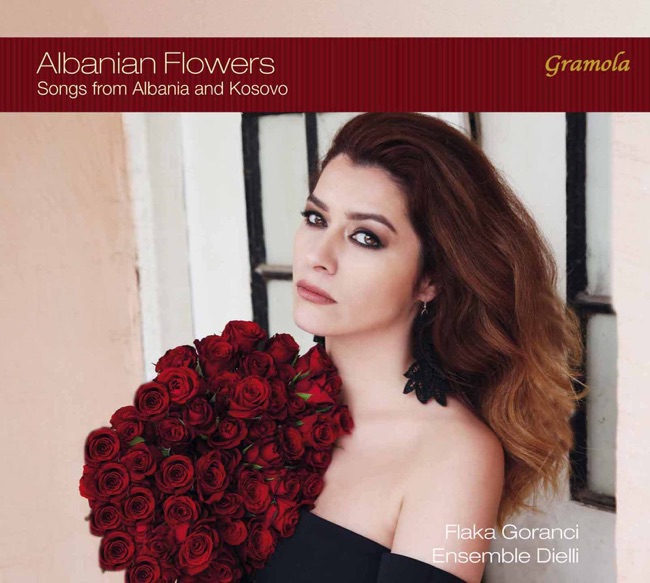 July 10, 2015
 -
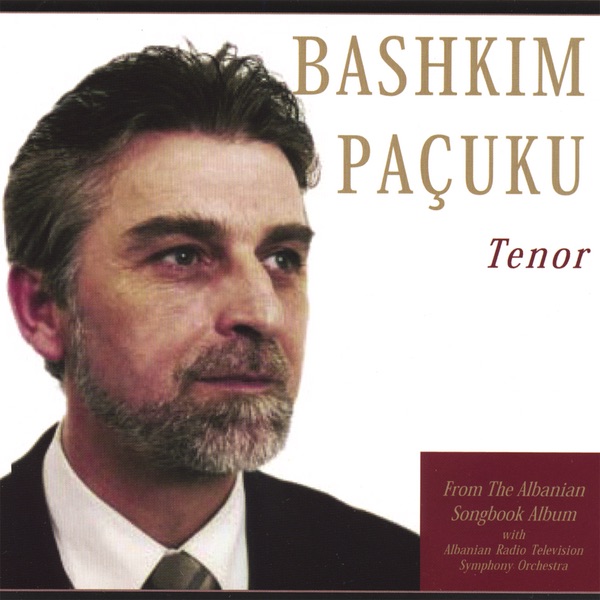 January 15, 2007
Artist Info
Role:ComposerAlbanian Traditional is not a single composer, but rather a genre of music that has been passed down through generations in Albania. The music is deeply rooted in the country's history and culture, and has been shaped by various influences over the years. The birth of Albanian Traditional music can be traced back to the ancient Illyrian tribes that inhabited the Balkans. These tribes had their own unique musical traditions, which were later influenced by the Greeks, Romans, and Byzantines. In the 15th century, the Ottoman Empire conquered Albania and brought with them their own musical traditions, which further shaped the country's music. Despite these outside influences, Albanian Traditional music has managed to maintain its own distinct character. The music is characterized by its use of unique instruments, such as the çifteli (a two-stringed instrument), the lahuta (a bowed instrument), and the gajda (a bagpipe). The music is also known for its use of complex rhythms and vocal techniques, such as the use of yodeling. One of the most famous composers of Albanian Traditional music is the legendary musician and composer, Çesk Zadeja. Zadeja was born in 1927 in the city of Shkodra, and began his musical career at a young age. He studied music in Italy and later returned to Albania, where he became one of the country's most celebrated composers. Zadeja's music is characterized by its use of traditional Albanian instruments, as well as its incorporation of Western classical music elements. He composed a wide range of music, including operas, ballets, and symphonies. One of his most famous works is the opera "Mrika", which tells the story of a young Albanian girl who is forced to marry against her will. Another notable composer of Albanian Traditional music is the composer and conductor, Nikolla Zoraqi. Zoraqi was born in 1928 in the city of Korça, and began his musical career as a violinist. He later studied composition in Italy and returned to Albania, where he became the conductor of the National Symphony Orchestra. Zoraqi's music is characterized by its use of traditional Albanian instruments, as well as its incorporation of modern Western classical music elements. He composed a wide range of music, including symphonies, concertos, and chamber music. One of his most famous works is the "Concerto for Violin and Orchestra", which showcases his skill as a composer and his love for traditional Albanian music. In addition to these famous composers, there are many other talented musicians and composers who have contributed to the rich tradition of Albanian Traditional music. Some of these include the composer and conductor, Tish Daija, the composer and pianist, Tonin Harapi, and the composer and singer, Nexhmije Pagarusha. Albanian Traditional music has had a profound impact on the country's culture and identity. It has been used to celebrate important events, such as weddings and festivals, and has been passed down through generations as a way of preserving the country's history and traditions. Today, Albanian Traditional music continues to thrive, with many young musicians and composers embracing the genre and incorporating it into their own music. The music has also gained international recognition, with many musicians and ensembles performing and recording traditional Albanian music around the world. In conclusion, Albanian Traditional music is a rich and vibrant genre that has been shaped by centuries of history and culture.More....
Recent Artist Music
Copyright Ⓒ 2013 Davinci Finger. All rights reseved
Service Terms & Policy