


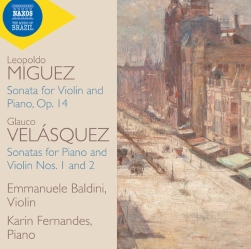
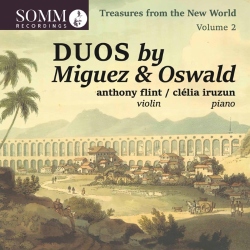
Leopoldo Miguez
Released Album
Keyboard
-
-
 March 11, 2008
Artist Info
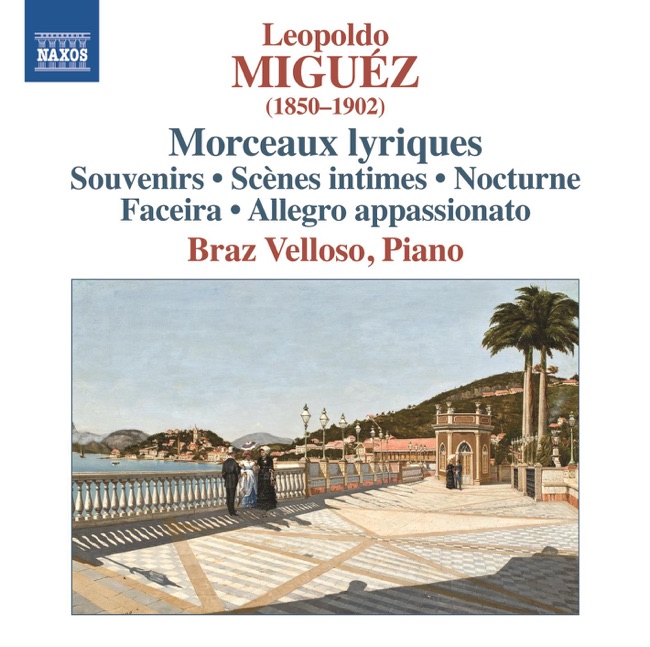
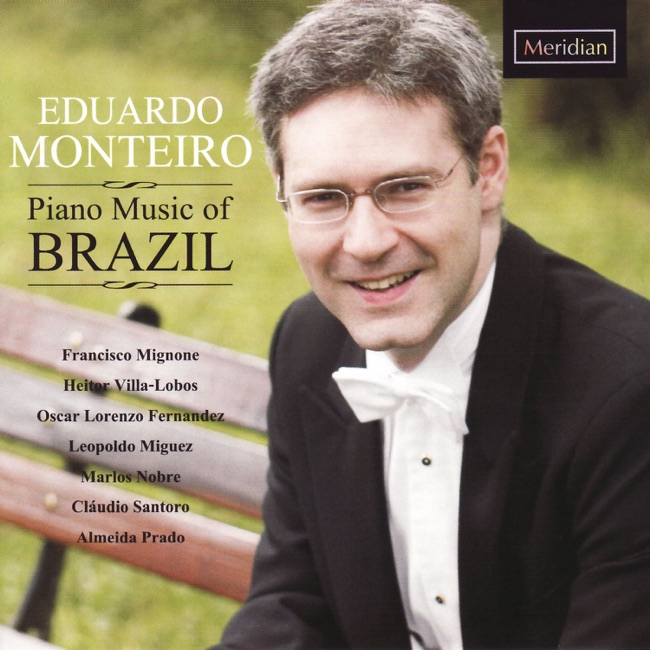
Role:ComposerCountry: BrazilBirth:1850 in Niterói, Rio de Janeiro, BrazilDeath:1902Leopoldo Miguez was a Brazilian composer and conductor who was born on September 9, 1850, in Niterói, Rio de Janeiro. He was the son of a Portuguese father and a Brazilian mother. Miguez showed an early interest in music and began studying the piano at the age of six. He later studied composition with Francisco Manuel da Silva, the composer of Brazil's national anthem. Miguez's musical talent was recognized at an early age, and he was awarded a scholarship to study at the Paris Conservatory in 1870. He studied composition with Ernest Guiraud and Camille Saint-Saëns, and piano with Antoine François Marmontel. Miguez was a diligent student and won several prizes during his time at the conservatory. After completing his studies in Paris, Miguez returned to Brazil and began a successful career as a composer and conductor. He was appointed the conductor of the Brazilian Imperial Opera in 1879, and he held this position until the opera house closed in 1889. Miguez also taught at the National Institute of Music in Rio de Janeiro, where he had a significant influence on the development of Brazilian classical music. Miguez's compositions are characterized by their romantic style and their use of Brazilian folk melodies. He was particularly interested in the music of the indigenous peoples of Brazil, and he incorporated their rhythms and melodies into his compositions. Miguez's most famous work is his opera "Saldanha," which premiered in Rio de Janeiro in 1897. The opera is based on the life of the Portuguese general Joaquim José da Silva Xavier, who led a rebellion against the colonial government in Brazil in the late 18th century. In addition to his opera, Miguez composed a significant amount of chamber music, including string quartets, piano trios, and sonatas. He also wrote several orchestral works, including a symphony and a suite for orchestra. Miguez's music was well-received in Brazil and Europe, and he was considered one of the leading composers of his time. Miguez was also a respected conductor, and he led several orchestras in Brazil and Europe. He was particularly interested in promoting the music of Brazilian composers, and he conducted many premieres of works by his colleagues. Miguez was also a prolific writer, and he wrote several books on music theory and composition. Despite his success as a composer and conductor, Miguez faced several challenges during his career. He struggled with financial difficulties throughout his life, and he was often forced to take on teaching positions to support himself. Miguez also faced criticism from some quarters for his use of Brazilian folk melodies in his compositions, with some critics arguing that he was not sufficiently "classical" in his approach to music. Despite these challenges, Miguez remained committed to his music and his country. He was a strong advocate for the development of Brazilian classical music, and he worked tirelessly to promote the work of his colleagues. Miguez died on July 6, 1902, in Rio de Janeiro, at the age of 51. He left behind a significant body of work that continues to be performed and celebrated today.More....
Recent Artist Music

Recommend Playlist


Copyright Ⓒ 2013 Davinci Finger. All rights reseved
Service Terms & Policy