


Georg Rygaard
Released Album
Vocal
-
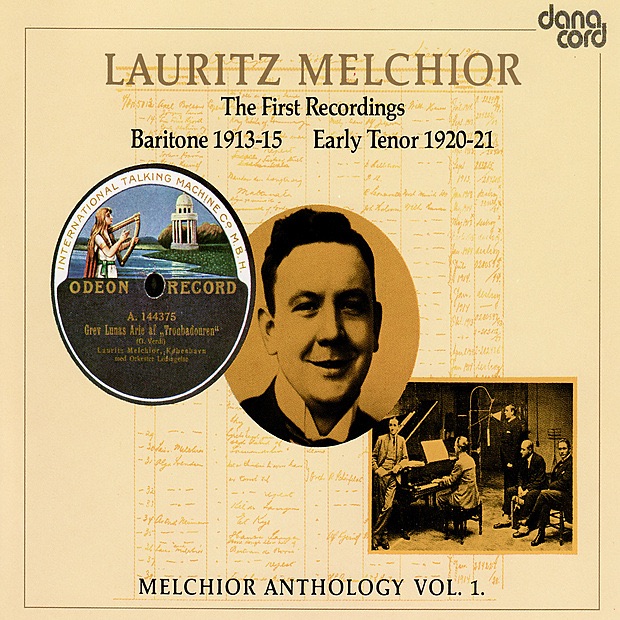 October 1, 1999
 -
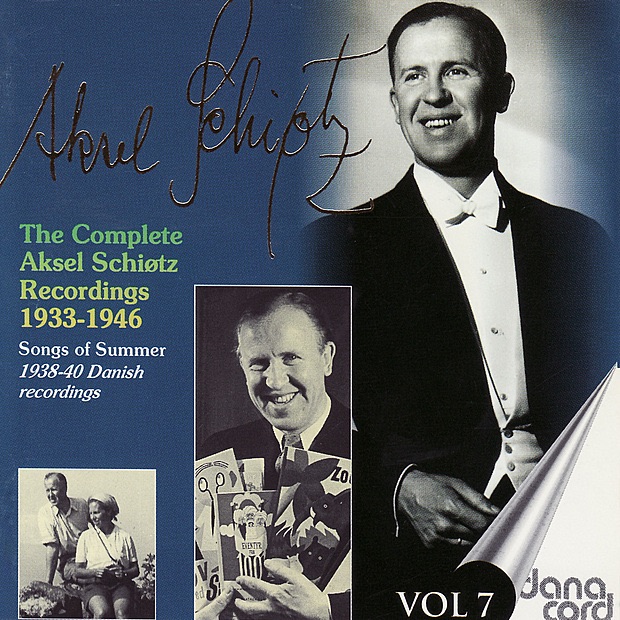 January 5, 1998
Artist Info
Role:ComposerBirth:1894Death:1921Genre:VocalGeorg Rygaard was a Danish composer who lived from 1903 to 1977. He was born in the small town of Horsens, Denmark, and showed an early interest in music. His parents were both amateur musicians, and they encouraged him to pursue his passion for music. Rygaard began his formal musical education at the Royal Danish Academy of Music in Copenhagen, where he studied composition with Knud Jeppesen and piano with Victor Schiøler. He graduated in 1927 and went on to study in Paris with Nadia Boulanger, one of the most influential composition teachers of the 20th century. Rygaard's early works were heavily influenced by the French impressionist composers, particularly Debussy and Ravel. He also drew inspiration from Danish folk music and the works of Carl Nielsen, one of Denmark's most celebrated composers. In the 1930s, Rygaard began to develop his own unique style, which blended elements of impressionism, neoclassicism, and Danish folk music. His music was characterized by its lyrical melodies, rich harmonies, and colorful orchestration. One of Rygaard's most notable works from this period is his Symphony No. 1, which was premiered in 1936 by the Danish National Symphony Orchestra. The symphony is a lush and expansive work, with sweeping melodies and intricate harmonies. It was well-received by audiences and critics alike, and established Rygaard as one of Denmark's most promising young composers. During World War II, Rygaard continued to compose and perform despite the difficult circumstances. He was a member of the Danish resistance movement, and his music often reflected the struggles and hardships of the time. One of his most powerful works from this period is his String Quartet No. 2, which was composed in 1943. The quartet is a haunting and introspective work, with dark and brooding melodies that reflect the uncertainty and fear of the war years. After the war, Rygaard continued to compose prolifically, producing a wide range of works in various genres. He wrote several operas, including the critically acclaimed "The King's Ring," which premiered in 1955. He also wrote a number of works for solo piano, including his Piano Sonata No. 2, which is considered one of his most important works. The sonata is a virtuosic and challenging piece, with complex rhythms and harmonies that showcase Rygaard's technical skill as a composer. In addition to his work as a composer, Rygaard was also a respected music educator. He taught at the Royal Danish Academy of Music for many years, and his students included several notable composers and performers. Rygaard's music has been performed and recorded by many of the world's leading orchestras and ensembles. His works continue to be admired for their beauty, complexity, and emotional depth. In conclusion, Georg Rygaard was a highly respected composer and educator who made significant contributions to the world of classical music. His music was characterized by its lyrical melodies, rich harmonies, and colorful orchestration, and he drew inspiration from a wide range of sources, including French impressionism, neoclassicism, and Danish folk music. His works continue to be performed and admired today, and he remains an important figure in the history of Danish music.More....
Recent Artist Music
Copyright Ⓒ 2013 Davinci Finger. All rights reseved
Service Terms & Policy