


Tadeusz Szeligowski
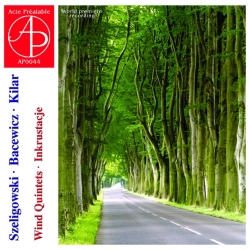
Released Album
Chamber
-
 February 1, 2020
 -
 August 10, 2017
 -
 May 19, 2017
 -
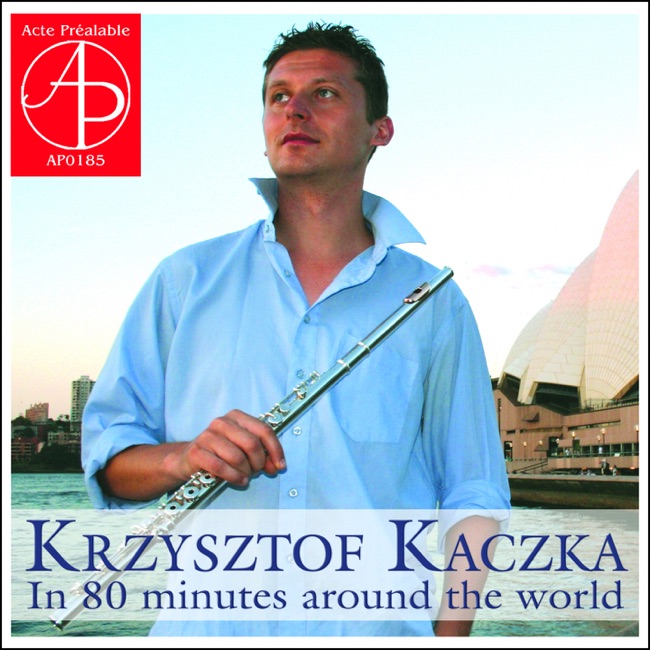 June 3, 2008
Orchestral
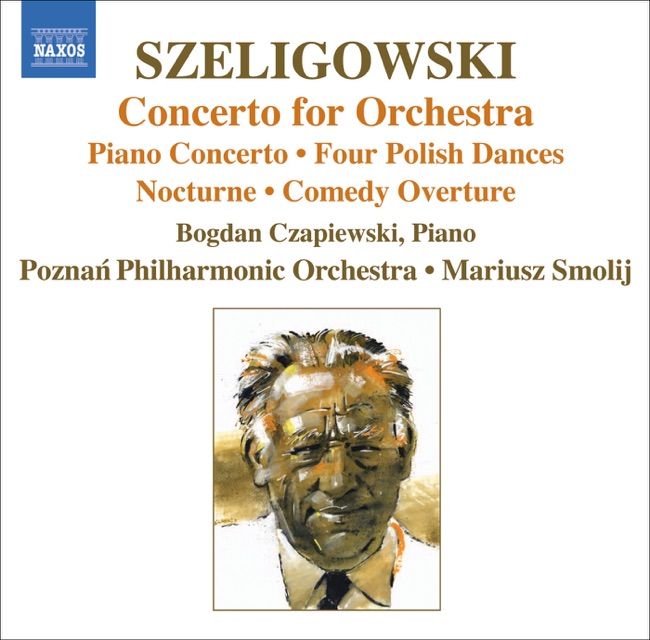
Artist Info
Role:ComposerBirth:1896Death:1963Tadeusz Szeligowski was a Polish composer and conductor who was born on October 13, 1896, in the town of Łódź, Poland. He was the son of a textile factory owner and grew up in a family that was passionate about music. His father was a talented amateur musician who played the violin, and his mother was a singer. Szeligowski's parents recognized his musical talent at an early age and encouraged him to pursue a career in music. Szeligowski began his musical education at the age of six when he started taking piano lessons. He showed great promise as a pianist and composer, and by the age of 12, he had already composed his first piece of music. He continued his musical studies at the Warsaw Conservatory, where he studied composition with Zygmunt Noskowski and piano with Aleksander Michałowski. After completing his studies, Szeligowski began his career as a composer and conductor. He quickly gained a reputation as one of Poland's most promising young composers, and his music was performed by some of the country's leading orchestras and ensembles. In 1923, he was appointed the conductor of the Warsaw Philharmonic Orchestra, a position he held for six years. During his time as a conductor, Szeligowski continued to compose music, and his works began to receive international recognition. In 1927, his Symphony No. 1 was performed in Paris, and the following year, his ballet, The Miraculous Mandarin, was premiered in Berlin. These performances helped to establish Szeligowski as one of the leading composers of his generation. Szeligowski's music was characterized by its use of Polish folk melodies and rhythms, which he incorporated into his compositions in a unique and innovative way. He was also influenced by the music of other composers, including Stravinsky, Bartók, and Debussy, and his works often reflected these influences. One of Szeligowski's most famous works is his Symphony No. 2, which was composed in 1938. The symphony is a powerful and emotional work that reflects the turbulent political climate of the time. It was premiered in Warsaw in 1939, just months before the outbreak of World War II. During the war, Szeligowski was forced to flee Poland and spent several years in exile in the United Kingdom. Despite the difficulties he faced, he continued to compose music and remained active in the Polish émigré community. In 1946, he returned to Poland and resumed his career as a composer and conductor. In the years following the war, Szeligowski's music continued to receive critical acclaim. He composed a number of works for orchestra, including his Symphony No. 3, which was premiered in 1951. He also wrote a number of chamber works, including his String Quartet No. 2, which was composed in 1955. Szeligowski was also a respected music educator and served as a professor at the State Higher School of Music in Łódź. He was a mentor to many young composers and conductors, and his influence can be seen in the work of many of his students. Tadeusz Szeligowski died on March 10, 1963, in Łódź, Poland. He left behind a legacy of music that continues to be celebrated and performed today. His works are characterized by their emotional depth, innovative use of folk melodies, and unique blend of influences from both Polish and international music. Szeligowski's contributions to the world of classical music have earned him a place among the great composers of the 20th century.More....
Recent Artist Music


Copyright Ⓒ 2013 Davinci Finger. All rights reseved
Service Terms & Policy