


Richard Thiele
Released Album
Band
-
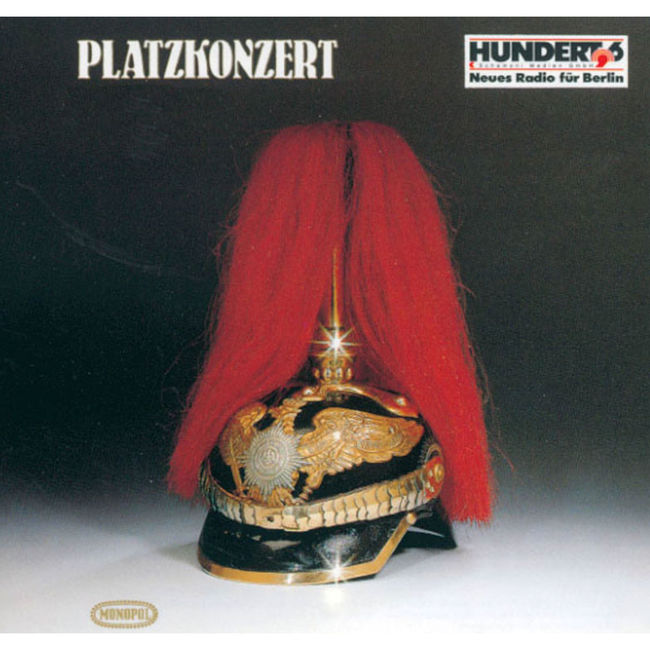 July 20, 2012
 -
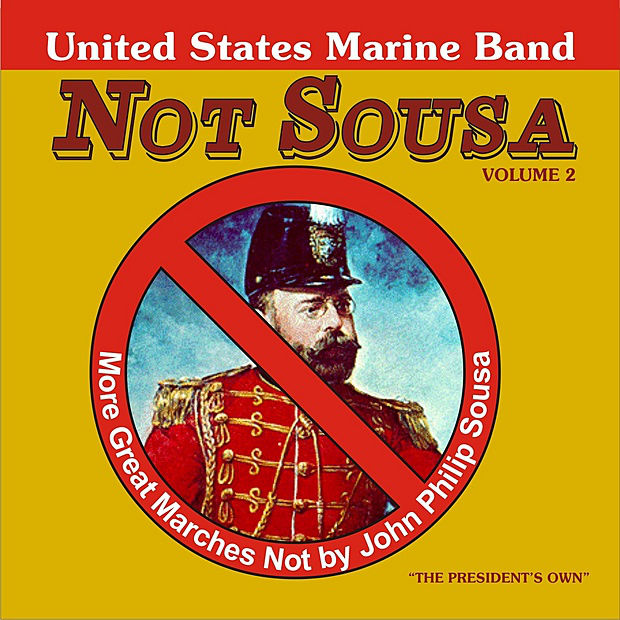 October 28, 2008
 -
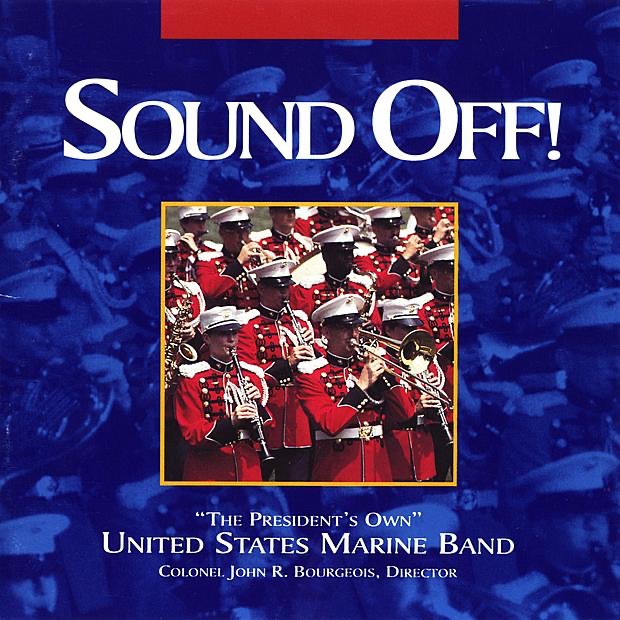 March 15, 2006
Artist Info
Role:ComposerBirth:1847Death:1903Richard Thiele was a German composer born on January 12, 1899, in Berlin. He was the son of a music teacher and grew up in a musical family. Thiele showed an early interest in music and began playing the piano at the age of six. He later studied composition with Max Bruch and piano with Edwin Fischer. Thiele's early compositions were influenced by the Romantic era, particularly the works of Brahms and Schumann. He also drew inspiration from the music of Bach and Beethoven. Thiele's first major work was his Piano Concerto No. 1, which he composed at the age of 22. The concerto was well-received and helped establish Thiele as a promising young composer. In the 1920s, Thiele began to experiment with new musical forms and techniques. He was particularly interested in the music of Stravinsky and Schoenberg, and incorporated elements of their styles into his own compositions. Thiele's music became more dissonant and complex, and he began to use unconventional instruments and techniques. Thiele's most famous work is his Symphony No. 1, which he composed in 1932. The symphony is a powerful and emotional work that reflects the turmoil of the times. Thiele was deeply affected by the rise of fascism in Germany and the threat of war, and his music reflects these concerns. The symphony is a powerful statement against tyranny and oppression, and has been hailed as a masterpiece of 20th-century music. Thiele continued to compose throughout the 1930s and 1940s, despite the difficult political climate. He was forced to flee Germany in 1938 due to his Jewish heritage, and spent several years in exile in Switzerland and France. Thiele's music during this period reflects his feelings of displacement and longing for his homeland. In the 1950s, Thiele returned to Germany and resumed his career as a composer. He continued to experiment with new forms and techniques, and his music became more abstract and avant-garde. Thiele's later works are characterized by their use of electronic instruments and unconventional sounds. Thiele died on December 23, 1967, in Berlin. He left behind a legacy of powerful and innovative music that continues to inspire musicians and audiences today. Thiele's music is a testament to the power of art to transcend political and social boundaries, and to express the deepest emotions and concerns of the human spirit.More....
Recent Artist Music


Copyright Ⓒ 2013 Davinci Finger. All rights reseved
Service Terms & Policy