


Felix Draeseke
Released Album
Chamber
-
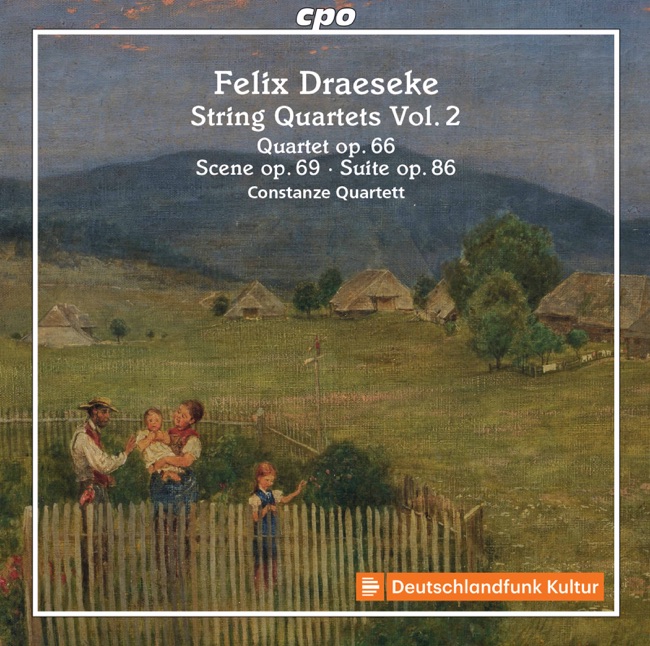 October 15, 2021
 -
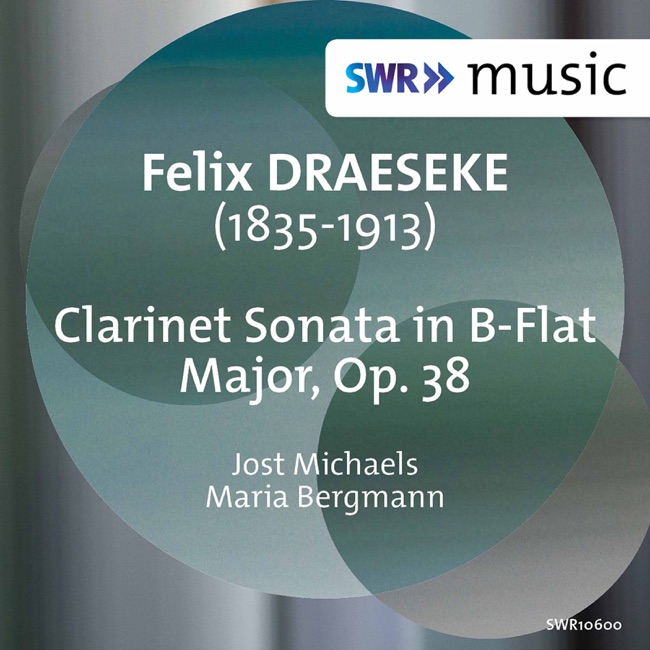 April 3, 2020
 -
 September 10, 2019
 -
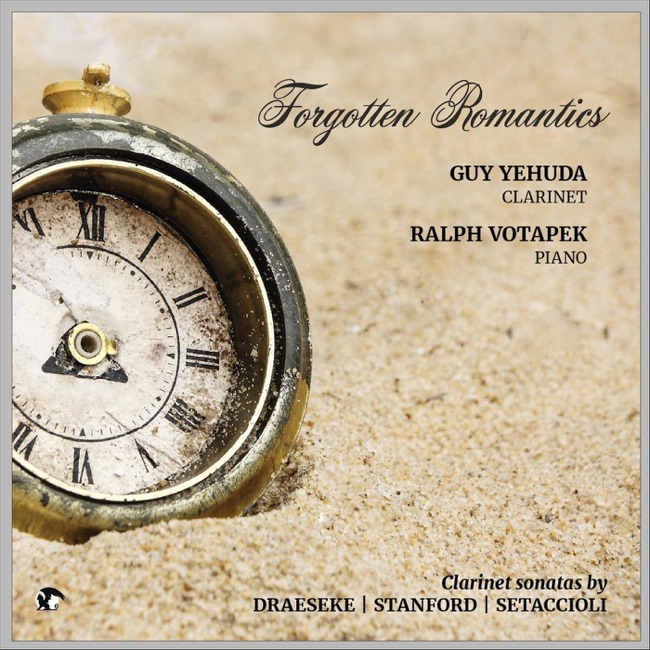 May 14, 2019
 -
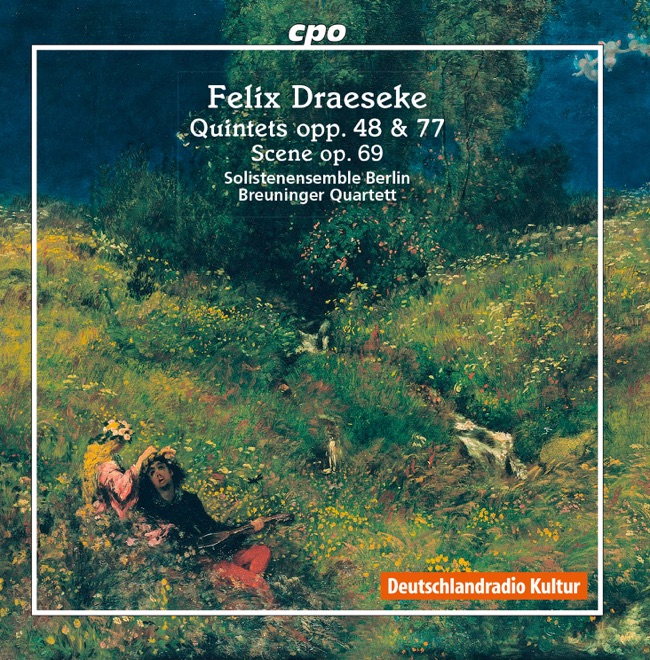 March 17, 2017
 -
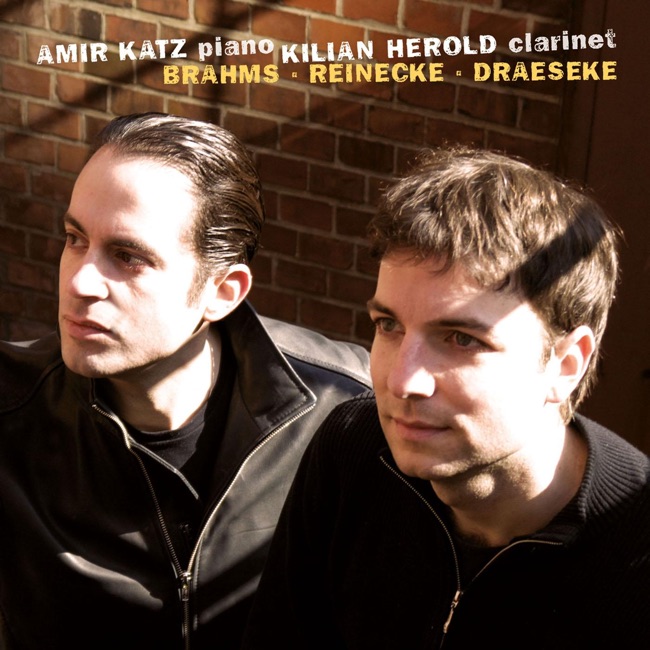 August 17, 2012
Vocal
-
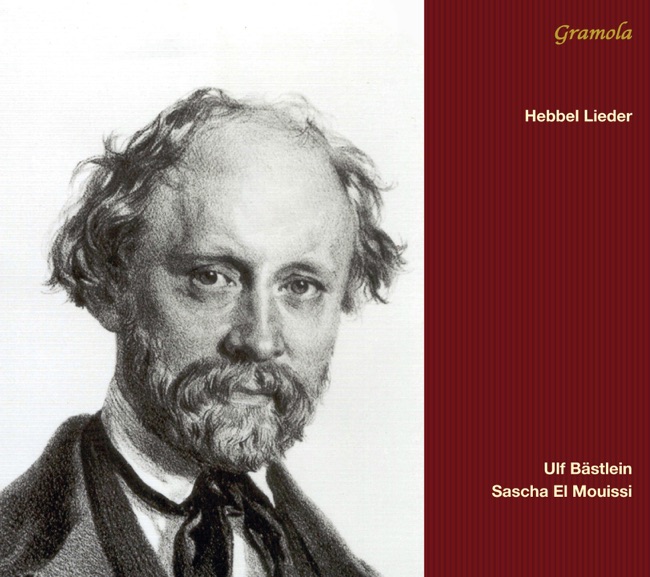 October 14, 2014
 -
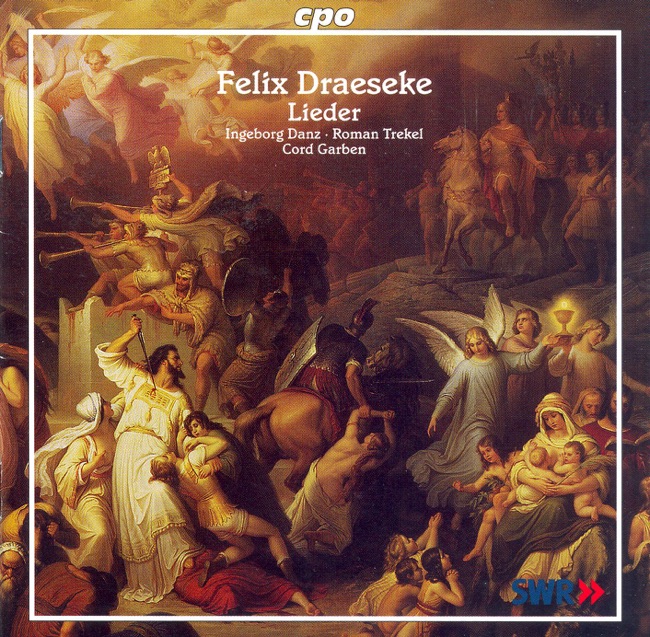 May 29, 2007
Symphony
-
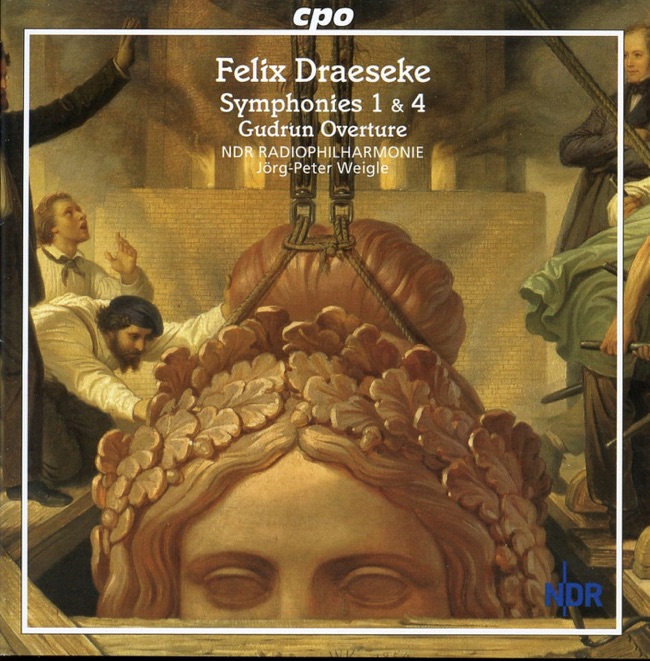 September 20, 2005
Orchestral
-
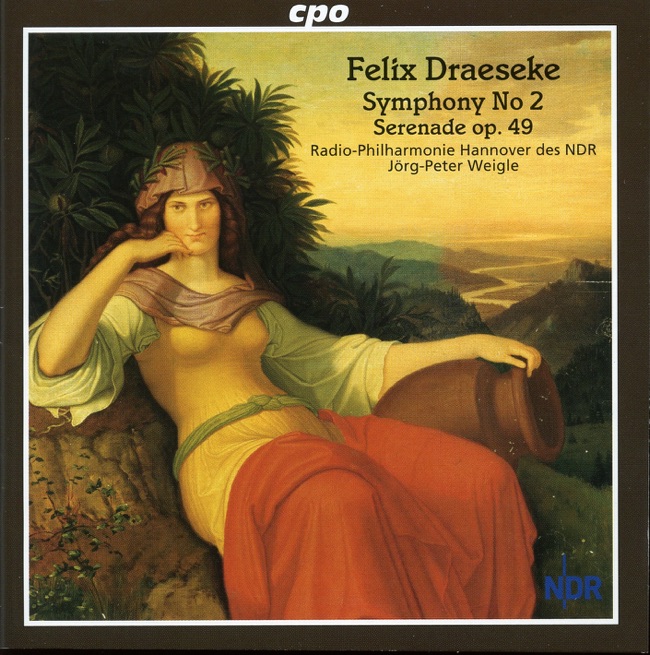 March 1, 2002
Artist Info
Role:ComposerCountry: GermanyBirth:October 7, 1835 in Coburg, GermanyDeath:February 26, 1913 in Dresden, GermanyPeriod:RomanticGenre:ChoralKeyboardOperaFelix Draeseke was a German composer and teacher who lived from 7 October 1835 to 26 February 1913. He was born in Coburg, Germany, to a family of musicians. His father, Johann Friedrich Draeseke, was a violinist and conductor, and his mother, Johanna Christiane, was a pianist. Felix Draeseke showed an early interest in music and began studying piano and composition at a young age. Draeseke's musical education began at the Leipzig Conservatory, where he studied under Ignaz Moscheles and Julius Rietz. He then moved to Dresden, where he studied with Franz Liszt and Carl Reinecke. In 1858, he moved to Berlin, where he became a student of Friedrich Kiel. Draeseke's early works were heavily influenced by the music of Beethoven, Schumann, and Liszt. In 1862, Draeseke moved to Switzerland, where he lived for several years. During this time, he composed some of his most important works, including his Symphony No. 1 in G minor, Op. 12, and his Piano Concerto in E-flat major, Op. 36. These works were well-received by critics and helped establish Draeseke as a major figure in German music. In 1876, Draeseke moved to Dresden, where he became a professor at the Dresden Conservatory. He remained in this position for the rest of his life, teaching composition and music theory to a generation of young musicians. Among his students were the composers Paul Graener and Max Reger. Draeseke's music is characterized by its formal rigor and its adherence to classical forms. He was deeply influenced by the music of Bach and Beethoven, and his works often feature contrapuntal writing and complex harmonic structures. His music is also notable for its use of chromaticism and its exploration of tonality. Some of Draeseke's most important works include his Symphony No. 2 in F major, Op. 25, his String Quartet No. 2 in A minor, Op. 33, and his Piano Sonata No. 3 in B-flat minor, Op. 58. These works demonstrate Draeseke's mastery of classical forms and his ability to create music that is both intellectually rigorous and emotionally expressive. Despite his achievements as a composer and teacher, Draeseke's music fell out of favor in the early 20th century. He was overshadowed by the rise of modernism and the emergence of new musical styles. However, in recent years, there has been a renewed interest in Draeseke's music, and his works are once again being performed and recorded. In conclusion, Felix Draeseke was a German composer and teacher who made significant contributions to the classical music tradition. His music is characterized by its formal rigor, its adherence to classical forms, and its exploration of tonality. Despite falling out of favor in the early 20th century, Draeseke's music is once again being recognized for its importance and its lasting influence on the classical music tradition.More....
Recent Artist Music
1
4:7
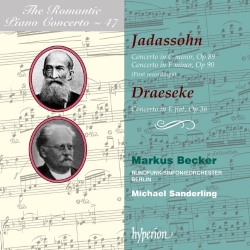
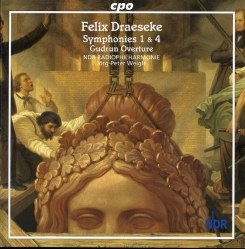
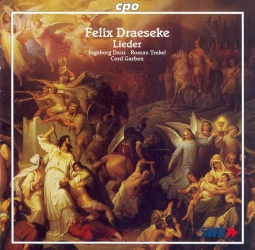
6
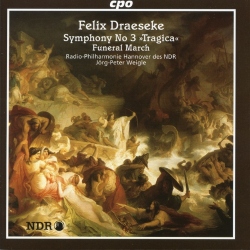
12:29
15
7:49


Copyright Ⓒ 2013 Davinci Finger. All rights reseved
Service Terms & Policy