


Kozaburo Hirai
Released Album
Vocal
-
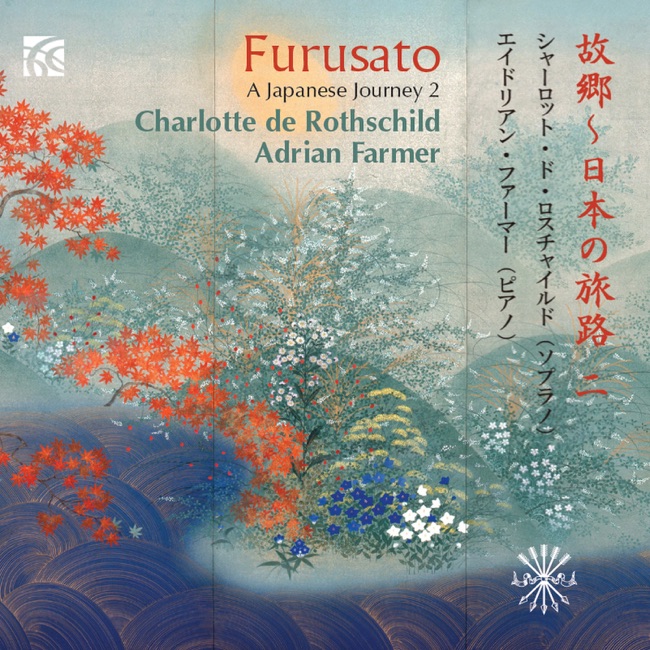 January 5, 2018
 -
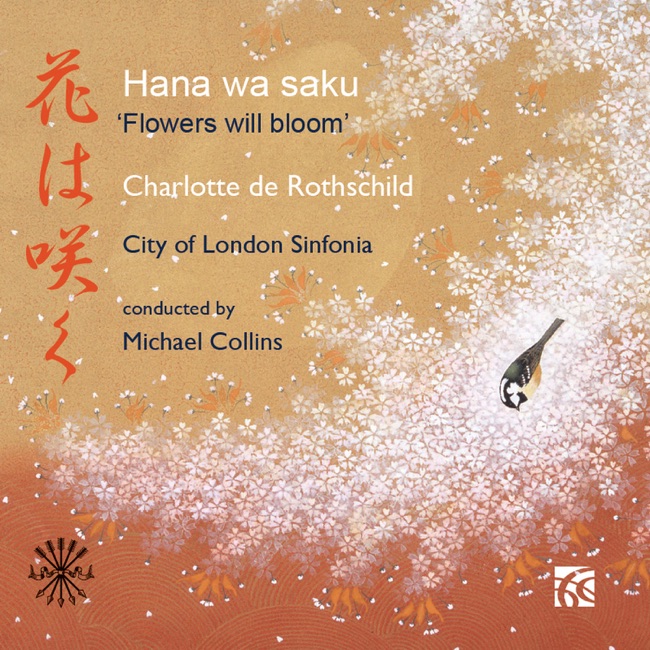 October 14, 2016
 -
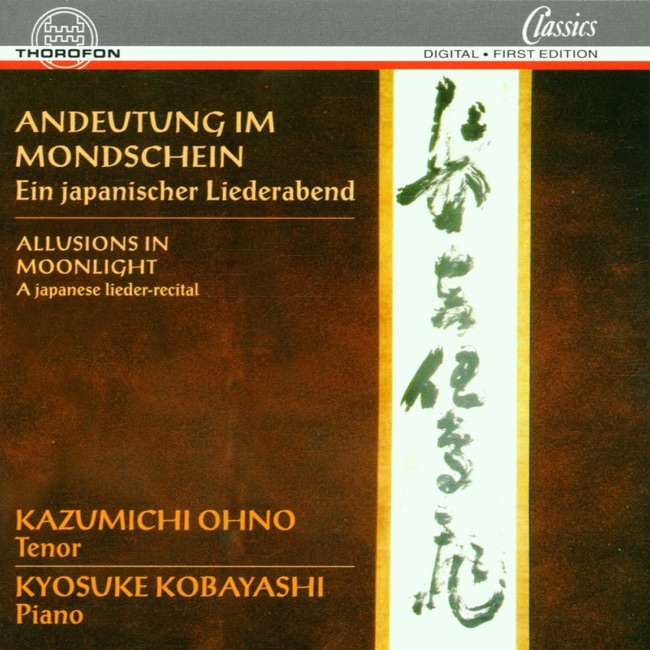 June 18, 1996
Artist Info
Role:ComposerBirth:1910Death:2002Period:ContemporaryModernGenre:ChamberVocalKozaburo Hirai was a Japanese composer who was born on December 18, 1907, in Tokyo, Japan. He was the youngest of six children and was raised in a family that valued education and music. His father was a businessman, but he also played the shamisen, a traditional Japanese stringed instrument. Hirai's mother was a pianist, and she encouraged her children to study music. Hirai began studying the piano at a young age, and he showed a natural talent for music. He also studied the violin and the cello, and he played in his school's orchestra. In 1926, he entered the Tokyo Music School, where he studied composition with Saburo Moroi and piano with Kiyoshi Nobutoki. He graduated in 1930 and began working as a composer and pianist. Hirai's early works were influenced by Western classical music, but he also incorporated elements of Japanese traditional music into his compositions. He was particularly interested in the music of the Ainu, an indigenous people of Japan, and he incorporated their music into his compositions. In 1932, Hirai won first prize in a composition competition sponsored by the Japan Broadcasting Corporation. His winning composition, "Symphonic Suite," was performed by the NHK Symphony Orchestra and received critical acclaim. This success led to more commissions and performances, and Hirai became one of Japan's most prominent composers. Hirai's music was characterized by its lyricism, its use of traditional Japanese scales and modes, and its incorporation of folk melodies and rhythms. He wrote music for a variety of ensembles, including orchestras, chamber groups, and solo instruments. He also wrote music for films and television. One of Hirai's most famous works is his "Symphony No. 2," which he composed in 1951. The symphony is in three movements and is scored for a large orchestra. The first movement is slow and contemplative, while the second movement is fast and rhythmic. The third movement is a lively dance, with a folk-like melody that is reminiscent of Japanese traditional music. Another notable work by Hirai is his "Concerto for Koto and Orchestra," which he composed in 1958. The concerto is scored for a solo koto, a traditional Japanese stringed instrument, and a small orchestra. The piece is in three movements and features virtuosic passages for the koto, as well as lyrical melodies that showcase the instrument's unique sound. Hirai's music was well-received both in Japan and abroad. He won numerous awards and honors throughout his career, including the Japan Art Academy Prize in 1960 and the Order of Culture from the Japanese government in 1972. He also served as the president of the Japan Society for Contemporary Music from 1963 to 1970. Hirai continued to compose music until his death on January 26, 1994, at the age of 86. His music remains an important part of the Japanese classical music repertoire, and his influence can be heard in the works of many contemporary Japanese composers.More....
Recent Artist Music
4
1:43
Copyright Ⓒ 2013 Davinci Finger. All rights reseved
Service Terms & Policy