


Armando Luna
Released Album
Chamber
-
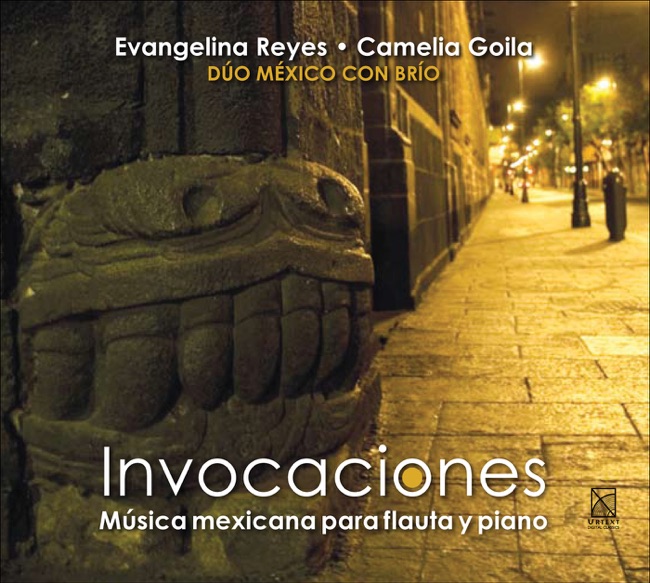 April 27, 2010
 -
 July 7, 2009
 -
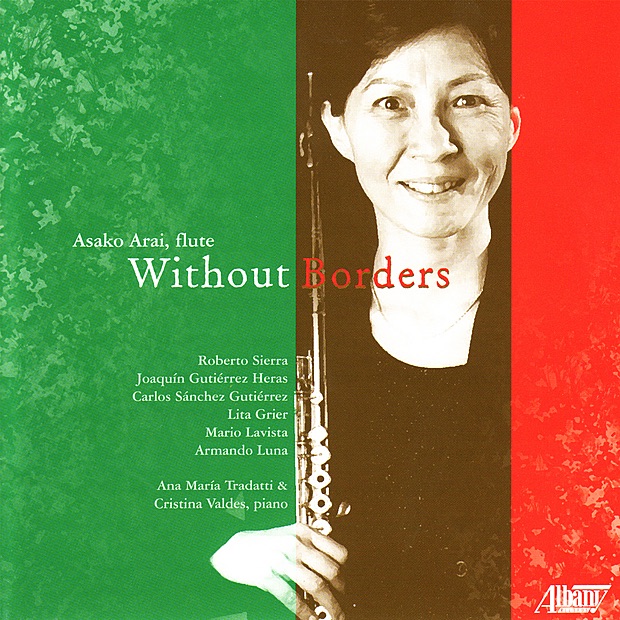 March 10, 2009
 -
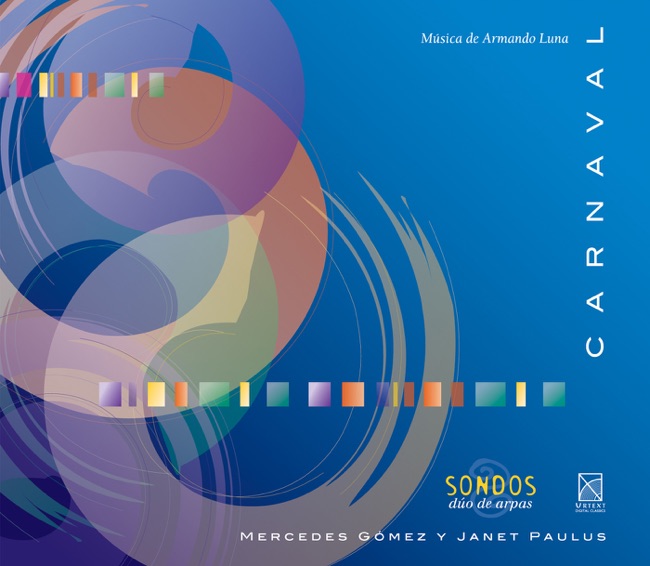 November 13, 2007
Artist Info
Role:ComposerCountry: MexicoBirth:1964 in Chihuahua, MexicoArmando Luna was a Mexican composer and pianist who was born on January 1, 1928, in Mexico City. He was the youngest of six children and grew up in a musical family. His father was a violinist and his mother was a pianist, and they both encouraged their children to pursue music. Luna began playing the piano at a young age and showed great talent. He studied at the National Conservatory of Music in Mexico City, where he was taught by some of the most renowned musicians of the time, including Carlos Chávez and Blas Galindo. Luna was a dedicated student and spent many hours practicing and studying music theory. After completing his studies, Luna began his career as a composer and pianist. He quickly gained recognition for his talent and was awarded several prizes for his compositions. In 1952, he won first prize in the National Symphony Orchestra Composition Contest for his piece "Sinfonía Breve." This was a significant achievement for Luna, as it was the first time a Mexican composer had won this prestigious award. Throughout his career, Luna composed music in a variety of genres, including orchestral works, chamber music, and solo piano pieces. His music was characterized by its lyricism, rhythmic vitality, and use of Mexican folk music elements. Luna was also known for his use of unconventional instruments, such as the maracas and the Mexican harp, in his compositions. One of Luna's most famous works is his "Concerto for Maracas and Orchestra," which he composed in 1958. This piece was inspired by the traditional music of Veracruz, a region in Mexico known for its lively and colorful music. The concerto features the maracas as the solo instrument, and Luna's use of the instrument is both innovative and virtuosic. The piece has become a staple of the Mexican classical music repertoire and is often performed by orchestras around the world. Another notable work by Luna is his "Sonata for Harp," which he composed in 1962. This piece was written for the Mexican harp, an instrument that is not often used in classical music. Luna's sonata is a beautiful and lyrical work that showcases the unique qualities of the harp. The piece has become a favorite of harpists around the world and is often performed in recitals and competitions. In addition to his work as a composer, Luna was also a respected pianist. He often performed his own compositions in concerts and recitals, and he was known for his virtuosic playing and expressive interpretations. Luna's recordings of his own music are highly regarded and are still available today. Luna's contributions to Mexican classical music were significant, and he was recognized for his achievements throughout his career. He was awarded the National Prize for Arts and Sciences in the Fine Arts in 1986, and he was also a member of the Mexican Academy of Arts. Luna continued to compose and perform music until his death in 2012 at the age of 84. In conclusion, Armando Luna was a talented and innovative composer who made significant contributions to Mexican classical music. His use of Mexican folk music elements and unconventional instruments in his compositions set him apart from his contemporaries, and his music continues to be performed and admired today. Luna's legacy as a composer and pianist is an important part of the Mexican classical music tradition, and his influence can still be heard in the works of contemporary Mexican composers.More....
Recent Artist Music

Copyright Ⓒ 2013 Davinci Finger. All rights reseved
Service Terms & Policy