


Croatian Traditional
Released Album
Vocal
-
 April 26, 2024
 -
 October 6, 2017
 -
 April 8, 2016
 -
 November 14, 2011
 -
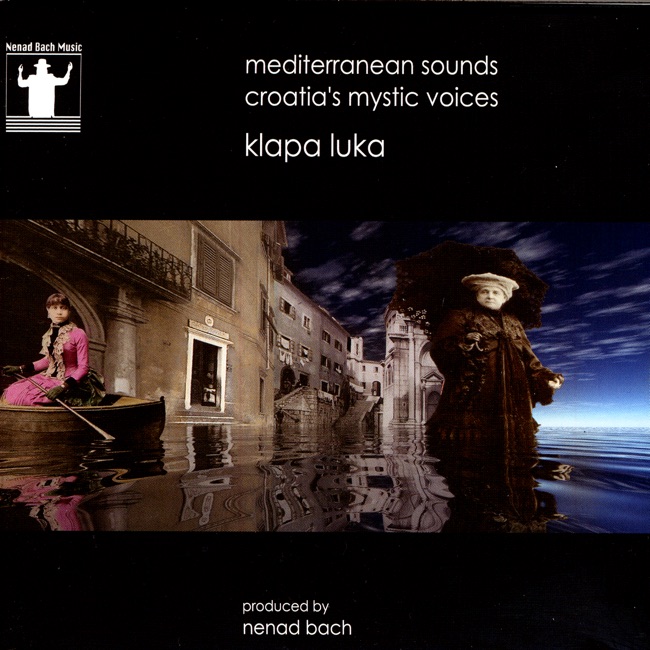 September 9, 2008
Miscellaneous
-
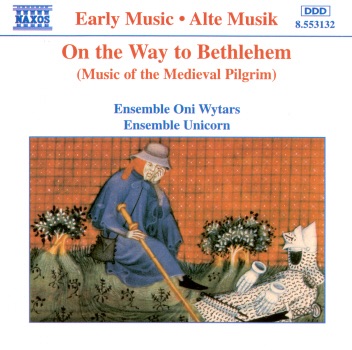 March 26, 1996
Artist Info
Role:ComposerCroatian Traditional is not a single composer, but rather a collection of musical works and traditions that have been passed down through generations in Croatia. The music of Croatia is diverse and reflects the country's rich cultural history, with influences from neighboring countries such as Italy, Hungary, and Austria. The earliest known Croatian music dates back to the 9th century, with the arrival of Christianity in the region. The Glagolitic script, which was used to write Old Church Slavonic, was also used to notate music. The earliest surviving musical manuscripts from Croatia are from the 11th century, and include Gregorian chant and other liturgical music. During the Renaissance and Baroque periods, Croatia was part of the Habsburg Empire, and the music of the time reflected the influence of Italian and Austrian composers. One notable composer from this period is Ivan Lukačić, who was born in Zadar in 1575. Lukačić was a prolific composer of both sacred and secular music, and his works were performed throughout Europe. In the 19th century, Croatian composers began to incorporate folk music into their compositions, creating a unique national style. One of the most important figures in this movement was Vatroslav Lisinski, who is considered the father of Croatian opera. Lisinski's most famous work is the opera "Ljubav i zloba" (Love and Malice), which premiered in 1846 and is still performed today. In the early 20th century, Croatian composers began to experiment with modernist styles, such as impressionism and expressionism. One of the most important composers of this period was Josip Štolcer-Slavenski, who was born in 1896. Štolcer-Slavenski studied in Prague and Vienna, and his music reflects the influence of Czech and Austrian composers. His most famous work is the ballet "The Death of Smail-aga Čengić," which premiered in 1920. During World War II, many Croatian composers were persecuted by the fascist Ustaše regime, which sought to promote a nationalist and anti-Semitic agenda. One composer who suffered under this regime was Boris Papandopulo, who was born in 1906. Papandopulo was a prolific composer of both classical and popular music, and his works were banned by the Ustaše government. After the war, Papandopulo became one of the most important figures in Croatian music, and his works are still performed today. In the post-war period, Croatian composers continued to experiment with modernist styles, as well as incorporating elements of traditional folk music into their compositions. One composer who was particularly influential in this regard was Stanko Horvat, who was born in 1922. Horvat's music reflects the influence of both modernist and folk traditions, and his works are characterized by their rhythmic complexity and use of unconventional instruments. In the 21st century, Croatian composers continue to create innovative and diverse music, reflecting the country's rich cultural heritage. One composer who has gained international recognition in recent years is Dubravko Detoni, who was born in 1937. Detoni's music is characterized by its use of unconventional instruments and techniques, and he has collaborated with artists from a wide range of disciplines, including dance, theater, and visual art. Overall, the music of Croatia is a rich and diverse tradition that reflects the country's complex cultural history.More....
Copyright Ⓒ 2013 Davinci Finger. All rights reseved
Service Terms & Policy