


Ernst Naumann
Released Album
Chamber
-
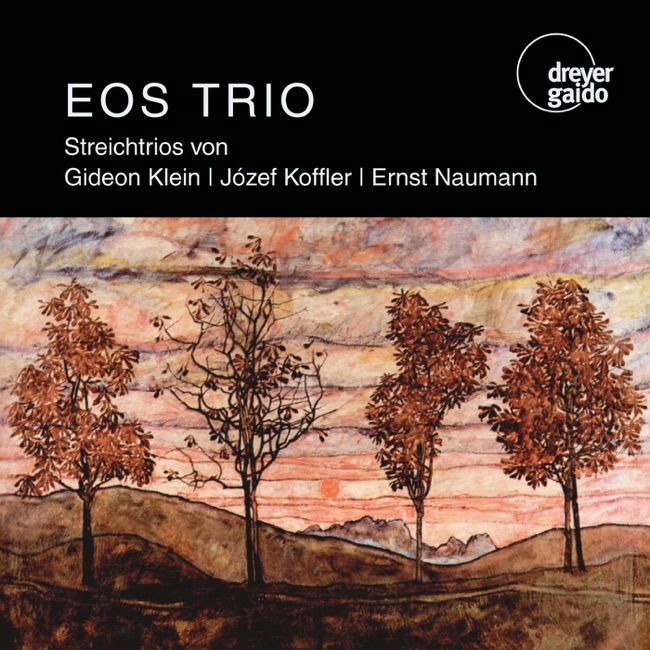 August 28, 2015
 -
 December 3, 2010
Artist Info
Role:ComposerCountry: GermanyBirth:August 15, 1832Death:1910Ernst Naumann was a German composer, pianist, and music educator who lived from 1832 to 1910. He was born in Berlin, Germany, on April 16, 1832, and showed an early interest in music. His father, Johann Gottlieb Naumann, was a music teacher, and Ernst began his musical education under his father's guidance. Naumann's talent for music was evident from a young age, and he quickly became a skilled pianist. He studied piano with Friedrich Kiel and composition with August Wilhelm Bach, both of whom were prominent musicians in Berlin at the time. Naumann's early compositions were well-received, and he began to establish himself as a composer in his own right. In 1852, Naumann moved to Leipzig to study at the Leipzig Conservatory, where he studied composition with Julius Rietz and piano with Ignaz Moscheles. While in Leipzig, Naumann became friends with several other prominent musicians, including Robert Schumann and Felix Mendelssohn. He also began to compose more ambitious works, including his first symphony, which was premiered in 1855. After completing his studies in Leipzig, Naumann returned to Berlin, where he began to establish himself as a music educator. He taught piano and composition at the Stern Conservatory, which was founded by his father-in-law, Julius Stern. Naumann's teaching was highly regarded, and he became known for his innovative methods and his ability to inspire his students. Naumann's compositions during this period were varied and included works for piano, chamber music, and orchestral works. One of his most famous works from this period is his Piano Concerto in B-flat major, which was premiered in 1868. The concerto was well-received and helped to establish Naumann's reputation as a composer. In 1872, Naumann was appointed as the director of the newly founded Hochschule für Musik in Berlin, a position he held until 1895. During his tenure as director, Naumann worked to establish the school as one of the leading music schools in Europe. He also continued to compose, although his output slowed somewhat during this period. Naumann's later compositions were more introspective and reflective, and he began to experiment with new forms and styles. One of his most famous works from this period is his String Quartet in A minor, which was premiered in 1898. The quartet is notable for its use of chromaticism and its complex harmonies. Naumann continued to teach and compose until his death in Berlin on August 22, 1910. He left behind a legacy as a composer, pianist, and music educator, and his influence can still be felt in the world of classical music today. His works continue to be performed and recorded, and his innovative teaching methods have inspired generations of musicians.More....
Recent Artist Music

Copyright Ⓒ 2013 Davinci Finger. All rights reseved
Service Terms & Policy