


Carl Mortensen
Released Album
Vocal
-
 July 12, 2011
 -
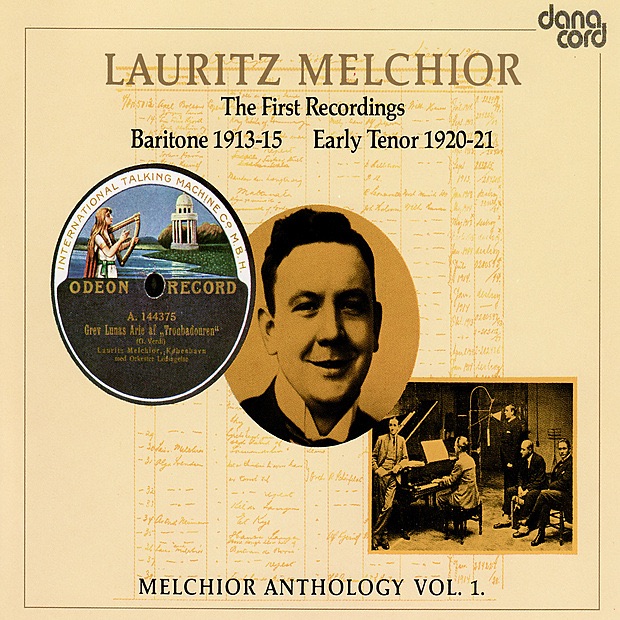 October 1, 1999
Artist Info
Role:ComposerGenre:VocalCarl Mortensen was a Danish composer who lived from 1865 to 1952. He was born in the small town of Ringkøbing, Denmark, and showed an early interest in music. His parents were both amateur musicians, and they encouraged him to pursue his passion for music. Mortensen began his musical education at the age of 10, when he started taking piano lessons. He quickly showed a talent for the instrument, and by the age of 14, he was already composing his own music. He continued his studies at the Royal Danish Academy of Music in Copenhagen, where he studied composition with Niels Gade, one of Denmark's most famous composers. Mortensen's early works were heavily influenced by the Romantic composers of the time, such as Brahms and Wagner. His first major work, the Symphony No. 1 in C minor, was completed in 1890 and premiered the following year. The symphony was well-received by audiences and critics alike, and it established Mortensen as a major figure in Danish music. Over the next few years, Mortensen continued to compose symphonies, as well as chamber music and songs. His Symphony No. 2 in D major, completed in 1895, was particularly well-received, and it cemented his reputation as one of Denmark's leading composers. In 1901, Mortensen was appointed as a professor of composition at the Royal Danish Academy of Music, where he remained until his retirement in 1935. During this time, he continued to compose, and his works became more experimental and modernist in style. One of Mortensen's most famous works is his Piano Concerto No. 1, completed in 1917. The concerto is notable for its use of polytonality, a technique in which multiple keys are used simultaneously. This was a radical departure from the traditional tonal system, and it caused controversy among some critics. However, the concerto was a success with audiences, and it remains one of Mortensen's most popular works. Mortensen's later works were influenced by the emerging modernist movement in music, and he experimented with atonality and other avant-garde techniques. His Symphony No. 7, completed in 1932, is a particularly notable example of this style. The symphony is characterized by its dissonant harmonies and complex rhythms, and it was a departure from Mortensen's earlier, more Romantic works. Despite his experimentation with modernist techniques, Mortensen remained committed to the traditional forms of classical music. He continued to compose symphonies, concertos, and chamber music throughout his career, and his works were performed by some of the leading orchestras and ensembles of the time. Mortensen's legacy as a composer is significant, both in Denmark and internationally. His works are still performed today, and they continue to be admired for their beauty, complexity, and innovation. Mortensen's contributions to the development of Danish classical music are particularly noteworthy, and he remains one of the most important figures in the country's musical history.More....

Copyright Ⓒ 2013 Davinci Finger. All rights reseved
Service Terms & Policy