


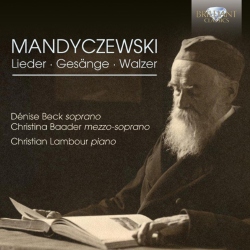
Eusebius Mandyczewski
Released Album
Choral
-
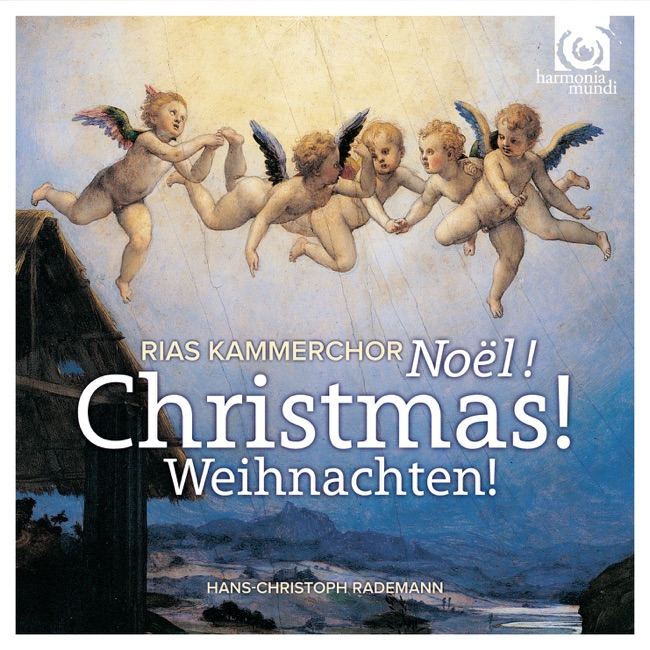 October 8, 2013
 -
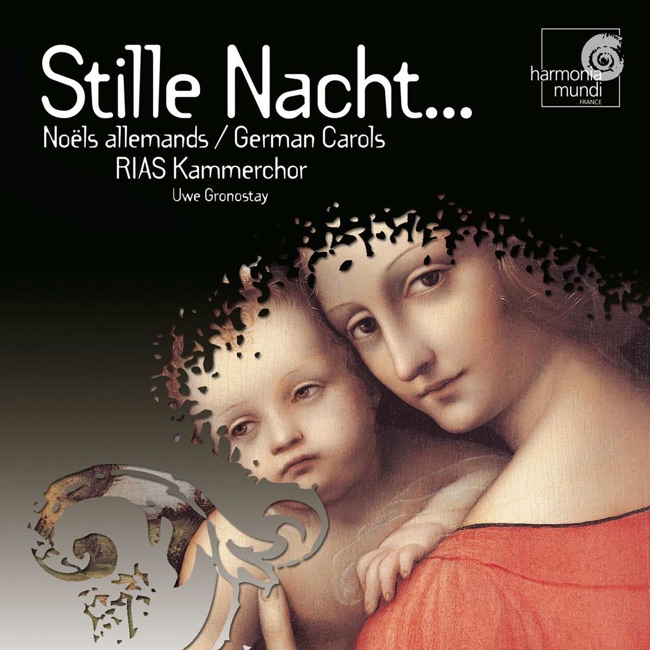 November 14, 2006
Vocal
-
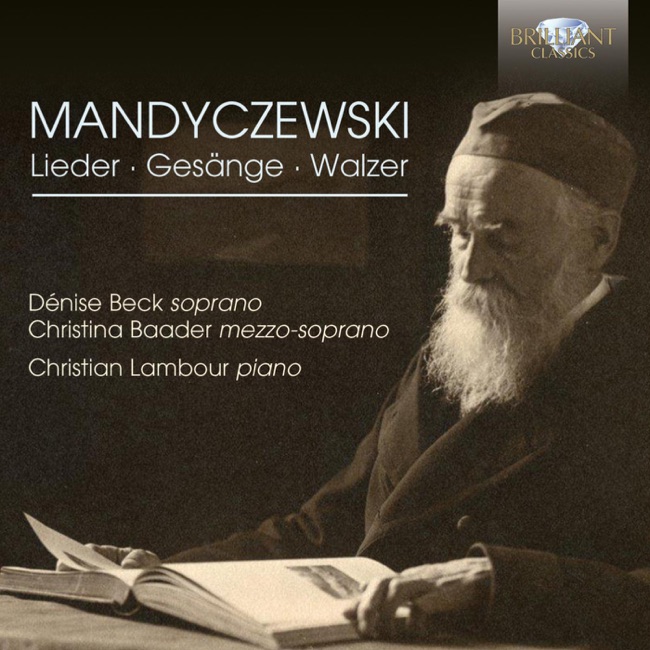 January 27, 2015
Artist Info
Role:ComposerBirth:1857Death:1929Eusebius Mandyczewski was a prominent classical music composer and musicologist of the late 19th and early 20th centuries. He was born on January 17, 1857, in Lviv, which was then part of the Austrian Empire. Mandyczewski was the son of a Ukrainian Greek Catholic priest, and he grew up in a musical family. His father was a skilled musician who played the organ and the violin, and he taught his son to play the piano and the violin at a young age. Mandyczewski showed a great talent for music from an early age, and he began composing his own music when he was just a teenager. He studied music at the Lviv Conservatory, where he was a student of the composer and conductor Carl von Wiener. Mandyczewski also studied musicology at the University of Vienna, where he earned a doctorate in 1880. After completing his studies, Mandyczewski worked as a music teacher and a music critic. He also began to compose more seriously, and his works began to gain recognition. In 1884, he won the Beethoven Prize for his String Quartet in D minor, which was inspired by the music of Beethoven. Mandyczewski's music was heavily influenced by the Romantic composers of the 19th century, particularly Beethoven and Brahms. His compositions were known for their rich harmonies, complex rhythms, and emotional intensity. He wrote music in a variety of genres, including symphonies, chamber music, and choral works. One of Mandyczewski's most famous works is his Symphony No. 1 in C minor, which he composed in 1895. The symphony is a powerful and dramatic work that showcases Mandyczewski's skill as a composer. It features soaring melodies, intricate harmonies, and a wide range of emotions, from the dark and brooding first movement to the triumphant finale. Mandyczewski also wrote a number of chamber music works, including several string quartets and piano trios. His String Quartet No. 2 in A minor is particularly notable for its intricate counterpoint and complex harmonies. The quartet is a challenging work for performers, but it is also deeply rewarding for listeners. In addition to his work as a composer, Mandyczewski was also a respected musicologist. He was particularly interested in the music of Beethoven, and he spent many years studying and editing Beethoven's works. He was one of the editors of the complete edition of Beethoven's works that was published in the early 20th century, and his scholarship helped to establish Beethoven as one of the greatest composers of all time. Mandyczewski's contributions to music were recognized during his lifetime. He was awarded the Franz Joseph Order in 1908, and he was made an honorary member of the Vienna Academy of Music in 1912. He continued to compose and teach until his death on June 13, 1929, in Vienna. Today, Mandyczewski is remembered as one of the most important composers and musicologists of his time. His music continues to be performed and recorded, and his scholarship on Beethoven has had a lasting impact on the study of classical music.More....
Recent Artist Music

Copyright Ⓒ 2013 Davinci Finger. All rights reseved
Service Terms & Policy