


Peggy Cochrane
Released Album
Vocal
-
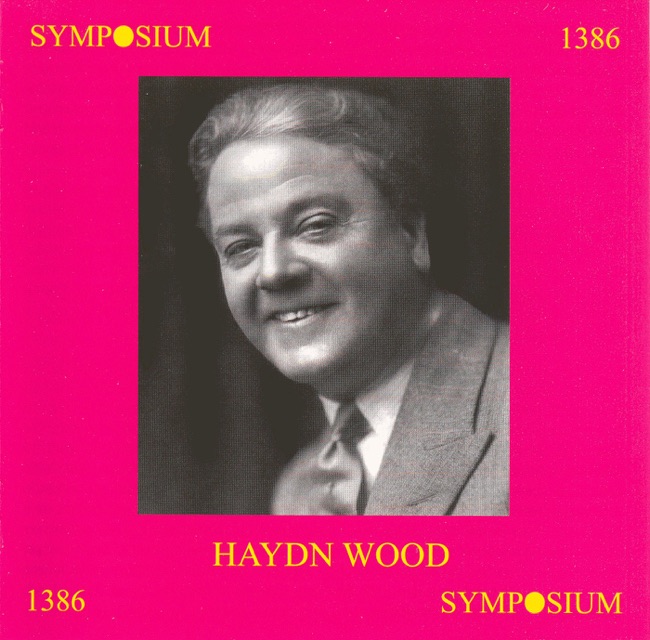 December 8, 2009
Keyboard
-
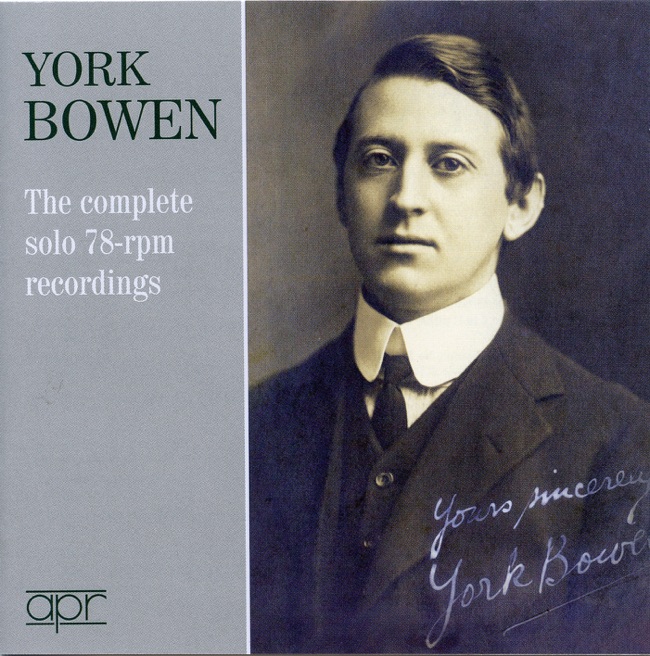 January 13, 2009
Artist Info
Role:ComposerCountry: United KingdomBirth:ca. 1902 in Streatham Hill, EnglandDeath:August, 1988Period:ModernGenre:OperaPeggy Cochrane was a British composer and pianist who was born on August 11, 1912, in London, England. She was the daughter of a wealthy businessman and grew up in a privileged environment. Her father was a music lover and encouraged her to pursue her passion for music. Peggy began playing the piano at a young age and showed great talent and dedication to the instrument. At the age of 16, Peggy was accepted into the Royal Academy of Music in London, where she studied under the renowned pianist and composer, Tobias Matthay. She excelled in her studies and won several awards for her performances. After completing her studies, Peggy began performing in concerts and recitals throughout Europe. In the 1930s, Peggy became interested in the emerging field of electronic music. She began experimenting with electronic instruments and developed a unique style that blended classical music with electronic sounds. Her compositions were groundbreaking and ahead of their time, and she quickly gained a reputation as a pioneer in the field of electronic music. One of Peggy's most famous works is her composition, "Electronic Sonata for the Unwilling Pianist," which she composed in 1937. The piece was written for a traditional piano, but also included electronic sounds produced by a theremin and other electronic instruments. The piece was a critical success and established Peggy as a leading figure in the world of electronic music. During World War II, Peggy served as a nurse in the British Army. She continued to compose music during her service and wrote several pieces inspired by her experiences. One of her most famous wartime compositions is "The Battle of Britain Suite," which was written in 1940 and dedicated to the pilots who fought in the Battle of Britain. After the war, Peggy continued to compose and perform music. She became a regular performer on the BBC and was a popular guest on radio and television programs. She also continued to experiment with electronic music and developed new techniques for producing and manipulating electronic sounds. In the 1950s, Peggy began to focus more on composing for film and television. She wrote music for several British films, including "The Red Shoes" and "Black Narcissus." She also composed music for several television programs, including the popular series "Doctor Who." One of Peggy's most famous television compositions is the theme music for the science fiction series "The Quatermass Experiment." The piece was written in 1953 and is considered one of the first examples of electronic music used in a television program. In the 1960s, Peggy continued to compose and perform music, but her health began to decline. She suffered from arthritis and was forced to retire from performing in 1965. However, she continued to compose music and remained active in the music community. Peggy Cochrane passed away on December 18, 1980, at the age of 68. She left behind a legacy as a pioneering composer and pianist who pushed the boundaries of classical music and electronic music. Her compositions continue to inspire and influence musicians today, and she is remembered as one of the most innovative and talented composers of the 20th century.More....
Recent Artist Music
Copyright Ⓒ 2013 Davinci Finger. All rights reseved
Service Terms & Policy