


Sven-Eric Johansson
Released Album
Choral
-
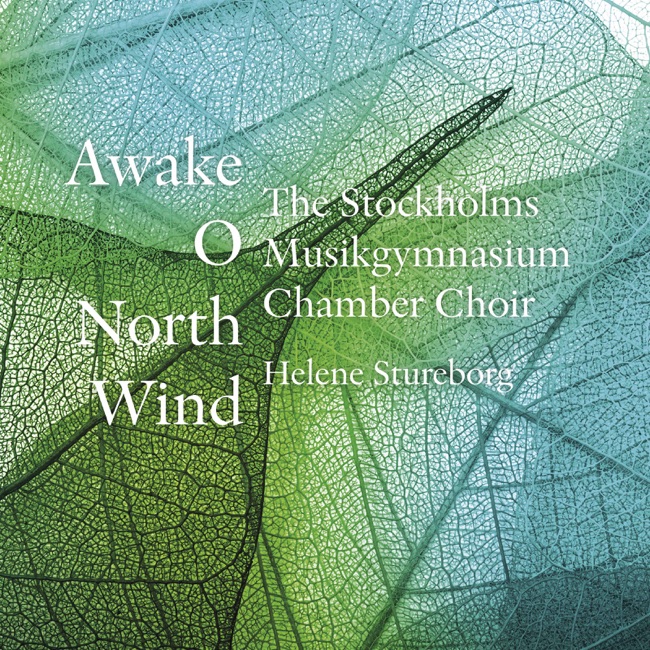 May 19, 2017
 -
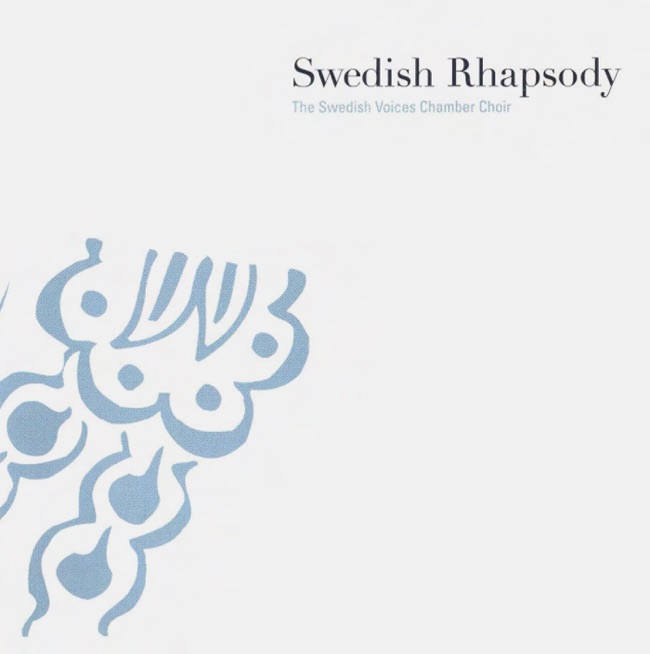 February 22, 2005
Vocal
-
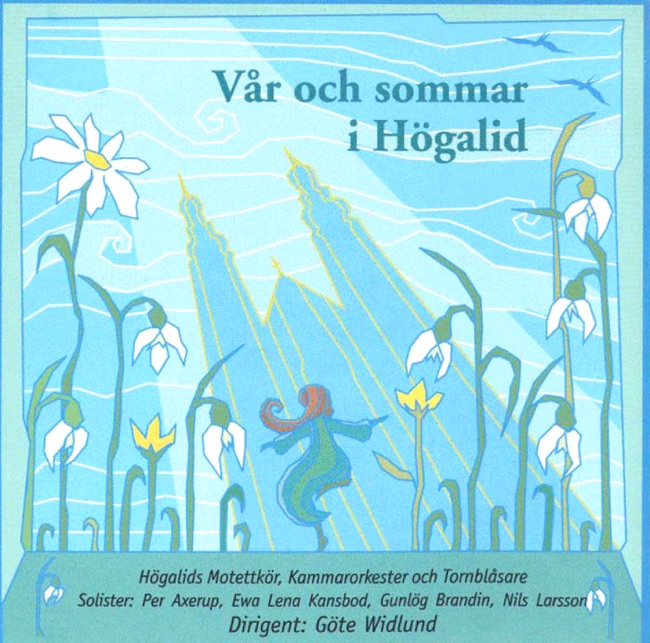 April 26, 2005
Artist Info
Role:ComposerBirth:1919Death:1997Sven-Eric Johansson was a Swedish composer born on September 26, 1919, in the town of Skövde. He was the son of a music teacher and grew up in a musical family. His father, Gustaf Johansson, was a well-known conductor and composer in Sweden, and his mother, Anna Johansson, was a pianist. Sven-Eric Johansson showed an early interest in music and began playing the piano at the age of six. Johansson studied music at the Royal College of Music in Stockholm, where he was a student of Hilding Rosenberg and Lars-Erik Larsson. He also studied composition with Nadia Boulanger in Paris. After completing his studies, Johansson worked as a music teacher and conductor in various parts of Sweden. Johansson's early works were influenced by the neoclassical style of Stravinsky and Hindemith. His first major work, the Symphony No. 1, was premiered in 1947 and received critical acclaim. The symphony is characterized by its rhythmic vitality and use of folk melodies. In the 1950s, Johansson began to incorporate elements of Swedish folk music into his compositions. His Symphony No. 2, premiered in 1952, is based on Swedish folk tunes and features a prominent role for the timpani. Johansson's interest in folk music continued throughout his career, and he often used folk melodies and rhythms in his works. Johansson's music is characterized by its clarity of form and use of traditional tonality. He was not interested in the avant-garde techniques of his contemporaries, but instead focused on creating music that was accessible to a wide audience. His works often feature memorable melodies and rhythmic vitality. One of Johansson's most famous works is the ballet Den Bergtagna (The Mountain King), which premiered in 1959. The ballet is based on a Swedish folk tale and features music that is both lyrical and dramatic. The ballet was a great success and has been performed many times since its premiere. Johansson's other notable works include the Symphony No. 3, which premiered in 1960 and is based on Swedish folk tunes, and the opera Aniara, which premiered in 1959 and is based on a science fiction poem by Harry Martinson. Aniara is considered one of Johansson's most important works and has been performed in many countries. Johansson received many awards and honors during his lifetime, including the Litteris et Artibus medal from the Swedish government in 1962 and the Nordic Council Music Prize in 1972. He was also a member of the Royal Swedish Academy of Music. Johansson continued to compose music until his death in 1997. His music remains popular in Sweden and is performed regularly by orchestras and ensembles around the world. Johansson's legacy as a composer is characterized by his use of Swedish folk music and his commitment to creating music that is accessible to a wide audience.More....
Recent Artist Music
Copyright Ⓒ 2013 Davinci Finger. All rights reseved
Service Terms & Policy