


Narciso Casanovas
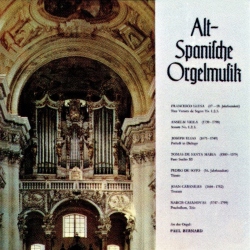
Released Album
Keyboard
-
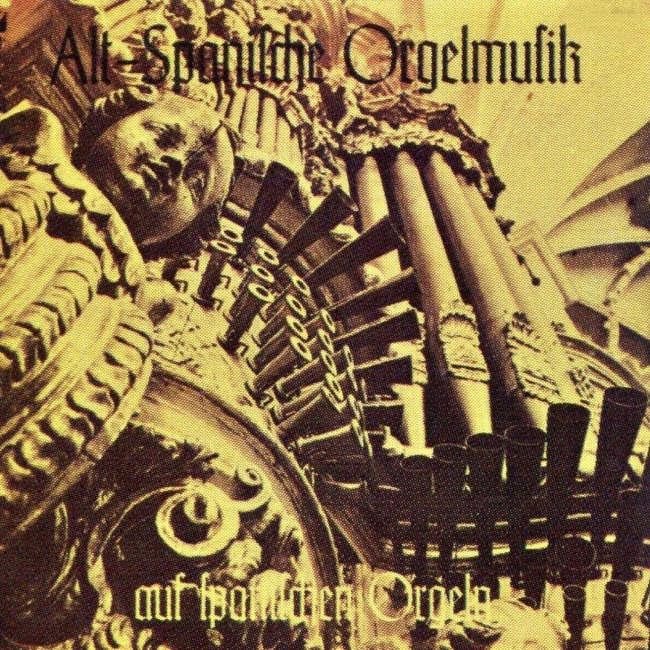 July 29, 2011
 -
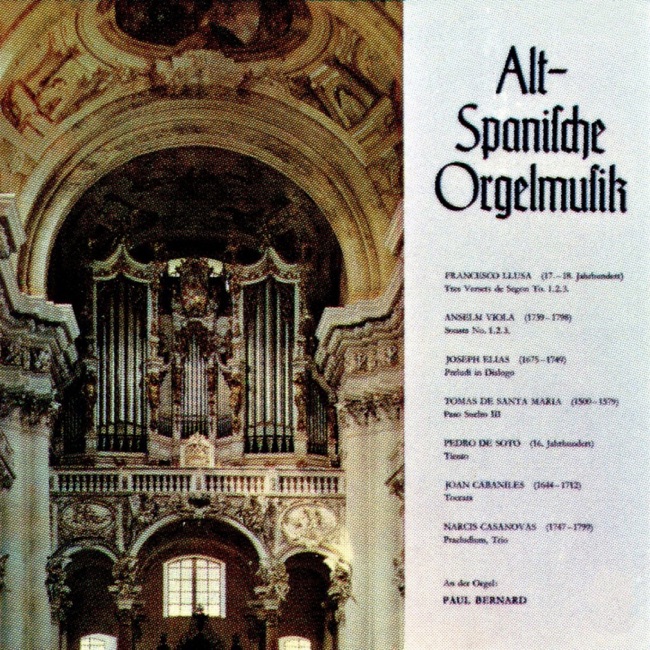 July 29, 2011
 -
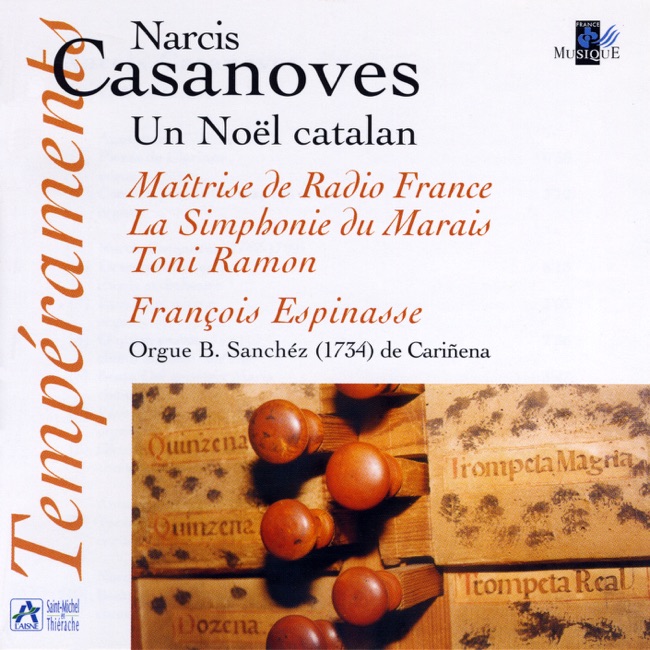 October 10, 2000
Artist Info
Role:ComposerCountry: SpainBirth:February 17, 1747Death:April 1, 1799Period:ClassicalGenre:ChoralKeyboardVocalNarciso Casanovas was a Spanish composer born on January 22, 1924, in Barcelona. He was the son of a music teacher and grew up in a musical family. His father, Josep Casanovas, was a composer and conductor, and his mother, Maria Teresa, was a pianist. From a young age, Narciso showed a great interest in music and began studying piano and composition with his father. In 1941, Casanovas entered the Conservatori Superior de Música del Liceu in Barcelona, where he studied composition with Joan Massià and piano with Joaquim Nin-Culmell. He graduated in 1946 with a degree in composition and piano performance. After graduation, he continued his studies in Paris with Nadia Boulanger, one of the most influential composition teachers of the 20th century. Casanovas' early works were influenced by the neoclassical style of Stravinsky and the French composers of the early 20th century. His first major work, the Suite for Orchestra, was premiered in 1948 and received critical acclaim. The suite is characterized by its rhythmic vitality and colorful orchestration. In the 1950s, Casanovas began to incorporate elements of Spanish folk music into his compositions. His Piano Concerto No. 1, premiered in 1952, is a prime example of this style. The concerto features virtuosic piano writing and a lively, dance-like finale. Casanovas' music continued to evolve throughout the 1960s and 1970s. He began to experiment with serialism and other avant-garde techniques, while still maintaining a strong connection to Spanish musical traditions. His String Quartet No. 2, premiered in 1963, is a complex and challenging work that showcases his mastery of modernist techniques. In addition to his work as a composer, Casanovas was also a respected music educator. He taught composition at the Conservatori Superior de Música del Liceu from 1956 to 1989, and many of his students went on to become successful composers in their own right. Casanovas' later works, such as his Symphony No. 3 and his opera Els Joglars, are characterized by a more introspective and contemplative style. These works reflect his deepening interest in spirituality and his search for meaning in a rapidly changing world. Narciso Casanovas died on December 31, 1989, in Barcelona. He left behind a rich legacy of music that continues to be performed and admired by musicians and audiences around the world. His contributions to the development of Spanish classical music are significant, and his influence can be heard in the work of many contemporary composers.More....
Recent Artist Music
Copyright Ⓒ 2013 Davinci Finger. All rights reseved
Service Terms & Policy