


Bernhard Molique
Released Album
Chamber
-
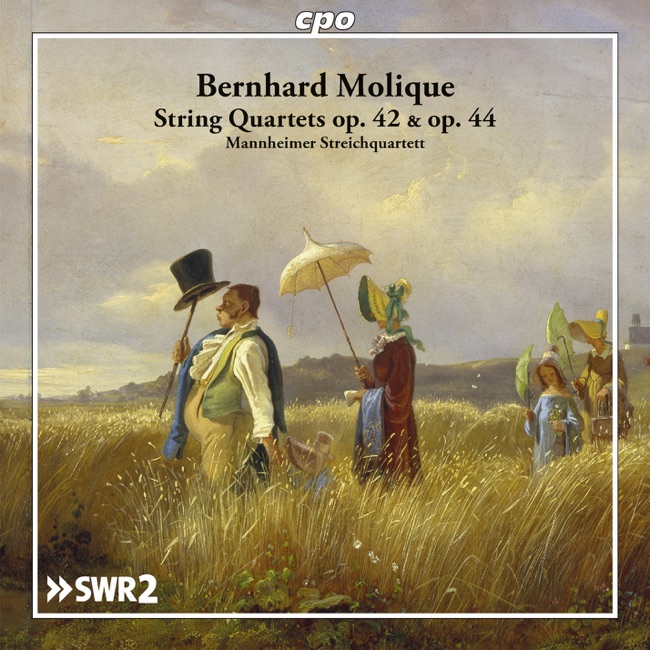 October 14, 2016
 -
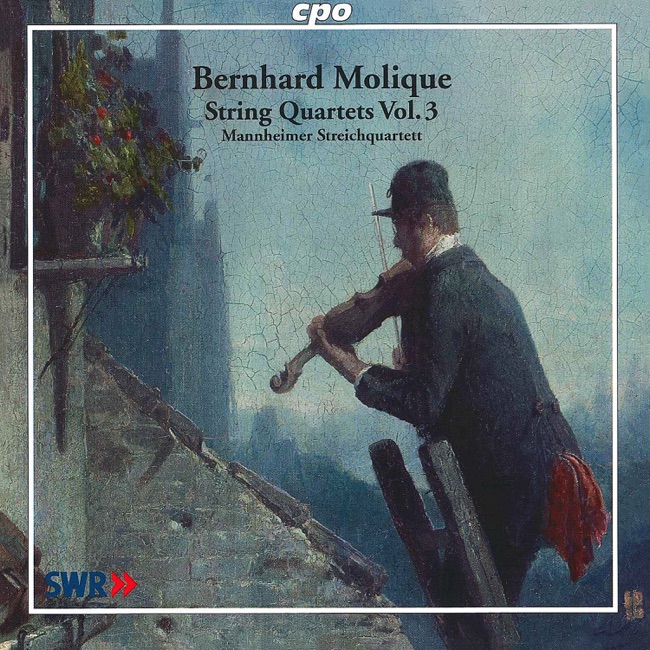 February 22, 2011
 -
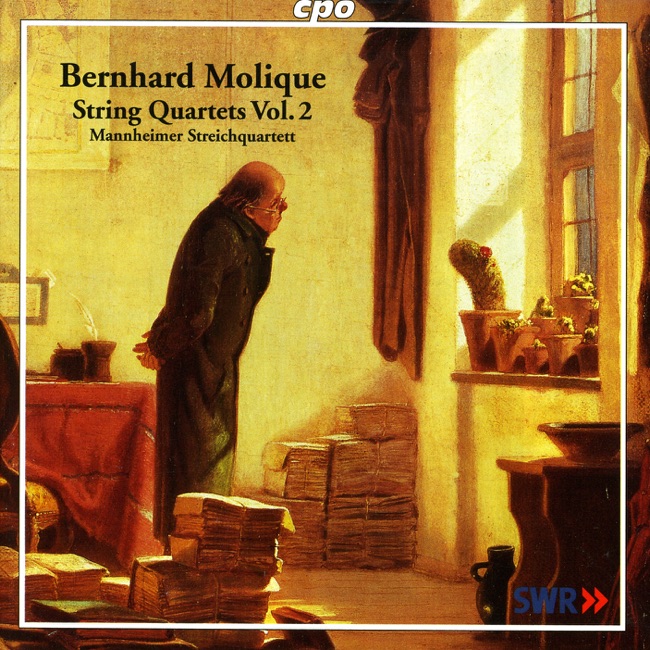 June 30, 2009
 -
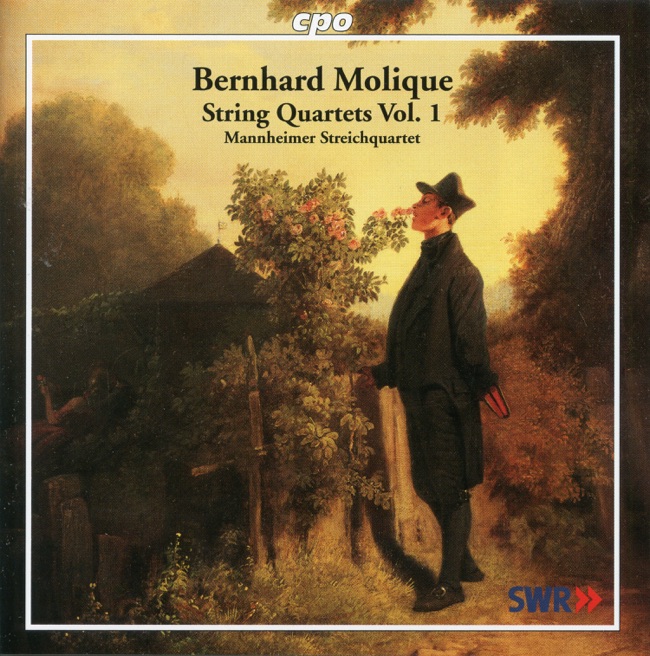 November 15, 2005
 -
-
Concerto
-
 January 14, 2013
 -

-
 April 14, 2009
 -
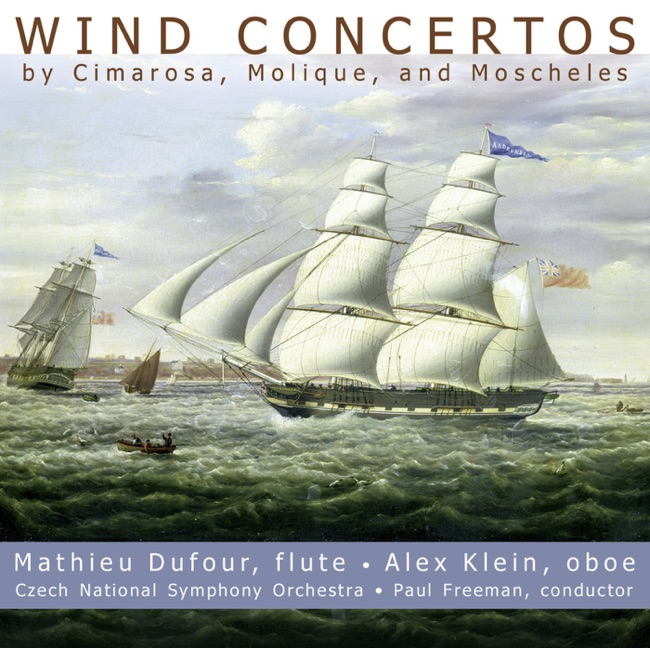 January 1, 2000
 -
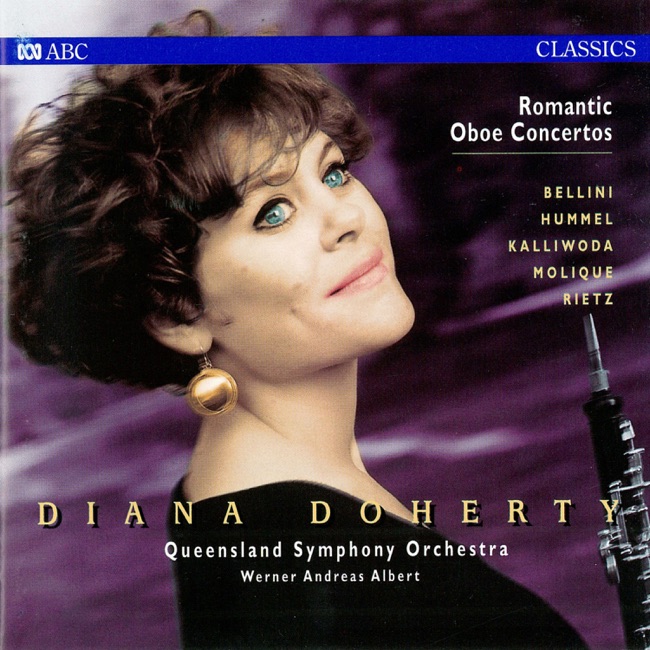 January 1, 1998
 -
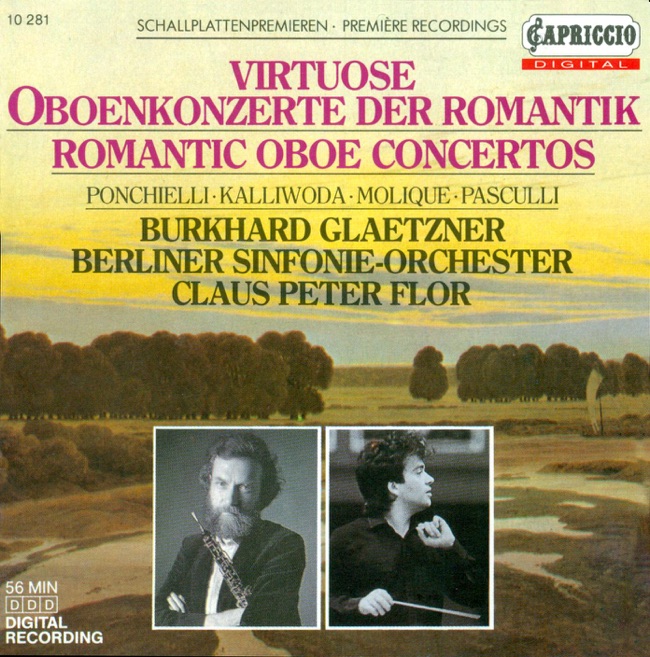 April 5, 1994
Artist Info
Role:ComposerCountry: GermanyBirth:October 7, 1802Death:May 10, 1869Period:RomanticGenre:ChamberConcertoBernhard Molique was a German composer and violinist who lived during the 19th century. He was born on August 7, 1802, in Nuremberg, Germany. Molique was the son of a musician, and he began his musical education at a young age. He showed great talent as a violinist, and by the age of 12, he was already performing in public concerts. Molique's early musical education was under the tutelage of his father, who was a violinist and conductor. He then went on to study with the renowned violinist Louis Spohr in Kassel. Spohr was impressed with Molique's talent and took him under his wing, teaching him composition and orchestration. Molique's career as a violinist took off when he was appointed as the concertmaster of the Royal Orchestra in Stuttgart in 1827. He held this position for 10 years, during which time he also performed as a soloist and toured extensively throughout Europe. Molique was known for his virtuosic playing and his ability to bring out the emotional depth of the music he performed. In addition to his career as a performer, Molique was also a prolific composer. He wrote music in a variety of genres, including symphonies, chamber music, operas, and concertos. Molique's music was influenced by the Romantic style of the time, and he was known for his use of rich harmonies and expressive melodies. One of Molique's most famous works is his Violin Concerto No. 1 in D minor, Op. 30. This concerto was written in 1837 and is considered one of the most important works in the violin repertoire. The concerto is known for its virtuosic solo passages and its beautiful melodies. Molique's use of the orchestra to create a rich and dramatic backdrop for the soloist is also noteworthy. Molique's other notable works include his Symphony No. 1 in C minor, Op. 69, and his String Quartet No. 1 in G minor, Op. 16. Both of these works showcase Molique's skill as a composer and his ability to create music that is both emotionally powerful and technically impressive. Despite his success as a composer and performer, Molique's career was not without its challenges. He struggled with health issues throughout his life, and his financial situation was often precarious. In 1849, he was forced to leave his position as the concertmaster of the Royal Orchestra in Stuttgart due to budget cuts. Molique continued to compose and perform throughout his life, but his output slowed down in his later years. He died on May 10, 1869, in Cannstatt, Germany, at the age of 66. Today, Molique is remembered as a talented composer and violinist who made significant contributions to the Romantic era of classical music. His music continues to be performed and recorded, and his legacy lives on as a testament to his skill and creativity.More....
Recent Artist Music
3
10:45
4
10:58
5

14:58
7
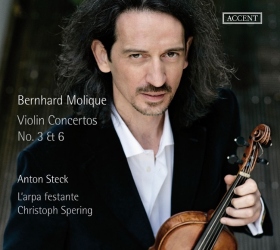
13:3
8
10:34

11
3:46


Copyright Ⓒ 2013 Davinci Finger. All rights reseved
Service Terms & Policy