


Coriún Aharonián
Released Album
Keyboard
-
 April 12, 2019
Chamber
-
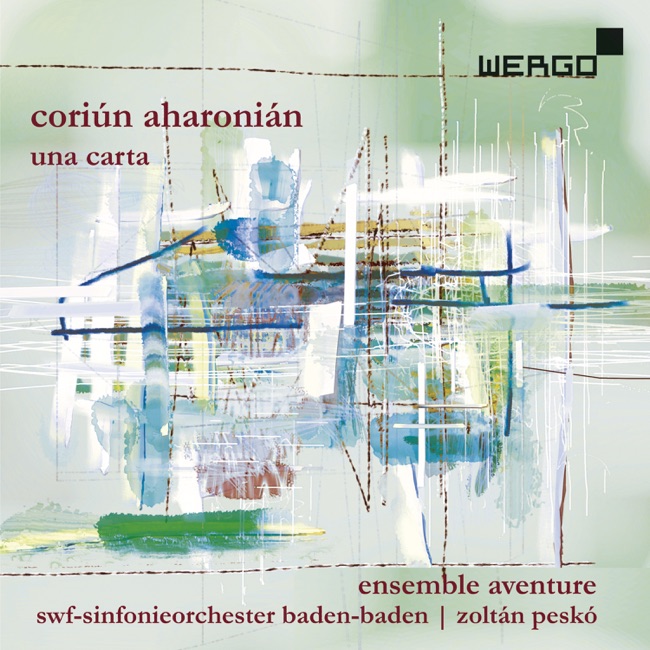 November 15, 2019
Artist Info
Role:ComposerGenre:ChamberCoriún Aharonián was a Uruguayan composer of Armenian descent, born on August 4, 1940, in Montevideo, Uruguay. He was the son of Armenian immigrants who fled the Armenian Genocide in the early 20th century. Aharonián grew up in a musical family, with his father being a violinist and his mother a pianist. He began his musical studies at a young age, learning to play the piano and the violin. Aharonián's interest in music led him to study composition at the National Conservatory of Music in Montevideo, where he studied with Héctor Tosar, one of the most important composers in Uruguay. He also studied with the Argentine composer Alberto Ginastera, who had a significant influence on his musical style. In the 1960s, Aharonián became involved in the avant-garde music scene in Uruguay, which was heavily influenced by the European avant-garde movement. He was a member of the Grupo Nueva Música, a collective of composers and performers who sought to create new forms of music that were free from traditional musical structures and conventions. Aharonián's early works were characterized by their experimental nature, incorporating elements of serialism, aleatoric music, and electronic music. His first major work, "Cinco Piezas para Orquesta" (Five Pieces for Orchestra), was premiered in 1965 and was well-received by critics and audiences alike. In the 1970s, Aharonián's music became more politically engaged, reflecting the turbulent political climate in Uruguay at the time. He was a vocal critic of the military dictatorship that ruled Uruguay from 1973 to 1985 and used his music as a form of protest. His works from this period, such as "Cantata Popular" and "Cantata del Adiós," were inspired by the struggles of the Uruguayan people and the political repression they faced. Aharonián's music also began to incorporate elements of traditional Latin American music, particularly the music of the Andes and the indigenous peoples of South America. He was interested in exploring the connections between contemporary music and the music of the past, and his works often combined elements of both. In the 1980s and 1990s, Aharonián's music became more introspective and focused on exploring the inner workings of the human psyche. His works from this period, such as "Cantata del Amor" and "Cantata de la Ausencia," were more personal in nature and reflected his own experiences and emotions. Aharonián was also a respected musicologist and educator, teaching at the National Conservatory of Music in Montevideo and serving as the director of the Music Department at the University of the Republic of Uruguay. He was a prolific writer on music, publishing numerous articles and books on contemporary music and musicology. Throughout his career, Aharonián received numerous awards and honors for his contributions to music. He was awarded the National Prize for Music in Uruguay in 1995 and was named a UNESCO Artist for Peace in 2005. He was also a member of the Uruguayan Academy of Letters and the National Academy of Fine Arts. Coriún Aharonián passed away on March 4, 2017, at the age of 76. He left behind a rich legacy of music that continues to inspire and challenge audiences today. His works are characterized by their experimental nature, their political engagement, and their exploration of the connections between contemporary music and the music of the past.More....
Recent Artist Music

2

People for Seven Wind Instruments
Gente für Flöte, Oboe, A-Klarinette, Fagott, Horn, Trompete, Posaune, Kontrabass, Marímbula und Steeldrum
7:32
Copyright Ⓒ 2013 Davinci Finger. All rights reseved
Service Terms & Policy