


Xaver Schnyder von Wartensee
Released Album
Keyboard
-
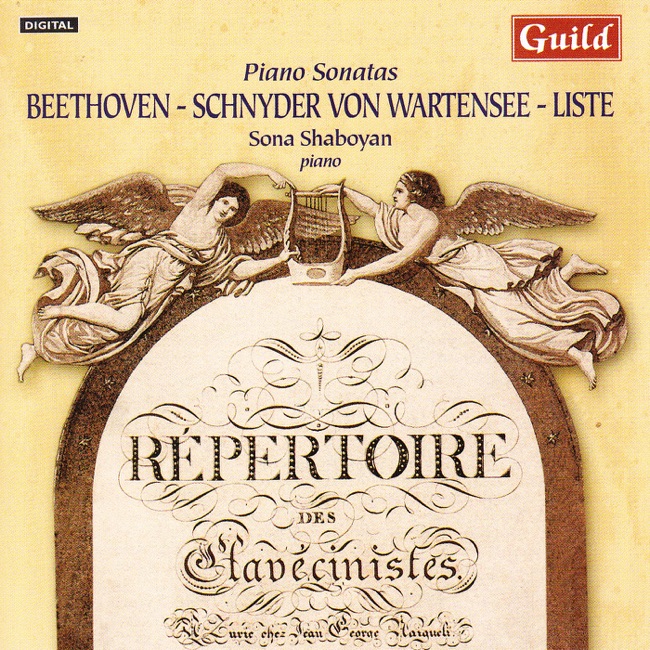
-
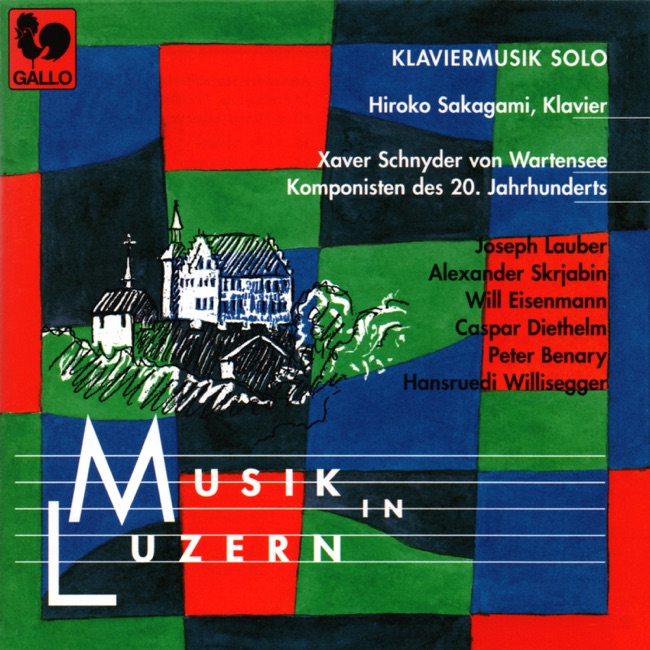 March 17, 1998
Symphony
-
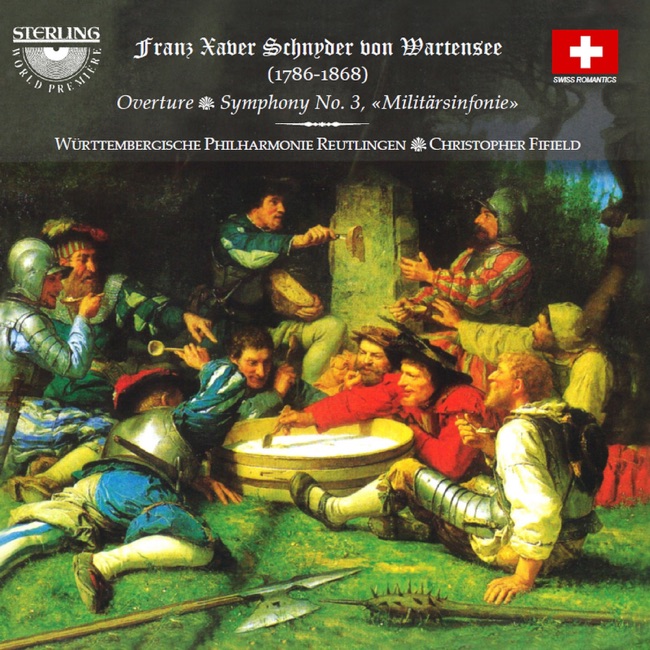 February 26, 2008
Artist Info
Role:ComposerCountry: SwitzerlandBirth:April 18, 1786 in Lucerne, SwitzerlandDeath:August 27, 1868 in Frankfurt, GermanyPeriod:RomanticGenre:KeyboardXaver Schnyder von Wartensee was a Swiss composer born on August 22, 1887, in the town of St. Gallen. He was the son of a wealthy family and received a privileged upbringing. His father was a successful businessman, and his mother was a talented pianist who introduced him to music at a young age. Schnyder von Wartensee showed an early aptitude for music and began composing at the age of 12. Schnyder von Wartensee received his formal musical education at the Zurich Conservatory, where he studied composition with Volkmar Andreae and piano with Robert Freund. He also studied with Max Reger in Leipzig and with Ferruccio Busoni in Berlin. These experiences had a profound impact on his musical style, and he developed a unique voice that blended elements of German Romanticism with modernist techniques. Schnyder von Wartensee's early works were heavily influenced by the music of Richard Wagner and Gustav Mahler. His first major composition, the Symphony No. 1 in C minor, was completed in 1910 and premiered in Zurich the following year. The symphony was well-received and established Schnyder von Wartensee as a promising young composer. In 1914, Schnyder von Wartensee married Margarethe von Wartensee, a member of a noble family from the canton of Appenzell. He added her family name to his own, becoming Xaver Schnyder von Wartensee. The couple had two children, a son named Hans and a daughter named Maria. During World War I, Schnyder von Wartensee served as a military bandmaster in the Swiss army. He continued to compose during this time, and his music began to reflect the influence of modernist composers such as Arnold Schoenberg and Alban Berg. His Symphony No. 2, completed in 1918, was a departure from his earlier works and featured atonal passages and complex rhythms. In the 1920s, Schnyder von Wartensee's music became more experimental and avant-garde. He began incorporating elements of jazz and popular music into his compositions, and his works became more dissonant and abstract. His Piano Concerto No. 1, completed in 1923, was a groundbreaking work that featured a solo piano part that was more percussive than melodic. Despite his innovative approach to composition, Schnyder von Wartensee struggled to gain recognition outside of Switzerland. His music was often dismissed as too radical or difficult to understand. He continued to compose, however, and his output during this period included several chamber works, a ballet, and an opera. In the 1930s, Schnyder von Wartensee's music became more tonal and accessible. He began incorporating folk melodies and traditional forms into his compositions, and his works became more lyrical and melodic. His Symphony No. 3, completed in 1935, was a return to the Romantic style of his earlier works and featured lush orchestration and sweeping melodies. During World War II, Schnyder von Wartensee's music was banned in Germany and Austria due to his association with modernist composers. He continued to compose, however, and his output during this period included several choral works and a string quartet. After the war, Schnyder von Wartensee's music fell out of favor with the avant-garde and he was largely forgotten. He continued to compose, however, and his output during this period included several works for solo piano and a cantata. Schnyder von Wartensee died on January 29, 1969, in Zurich.More....
Recent Artist Music
1
18:24
3
10:21

5
8:46
Copyright Ⓒ 2013 Davinci Finger. All rights reseved
Service Terms & Policy