


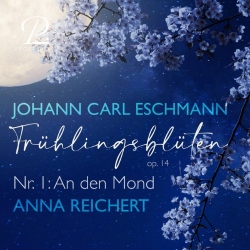
Johann Carl Eschmann
Released Album
Keyboard
-
-
 April 4, 2005
 -
 April 1, 1999
Chamber
-
 March 3, 2014
 -
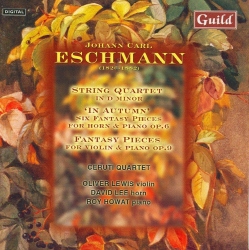
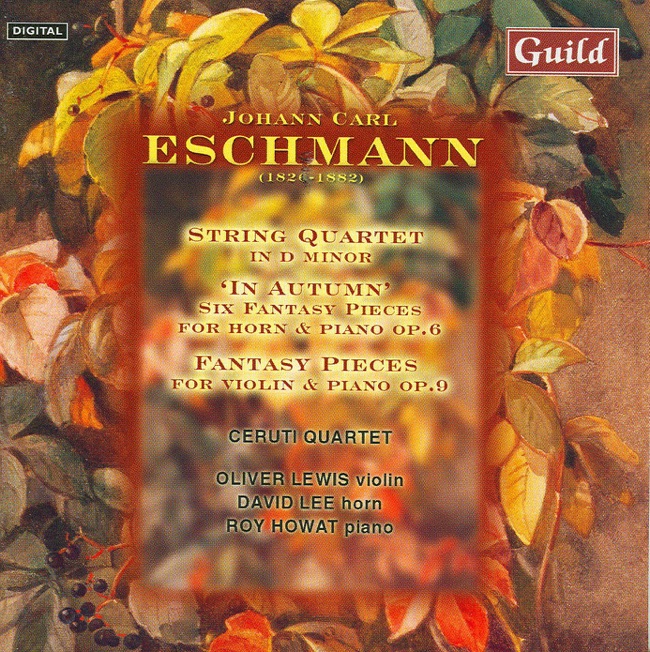 February 14, 2000
Vocal
-
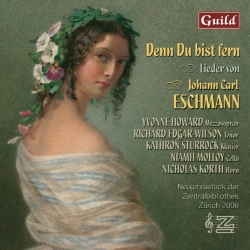
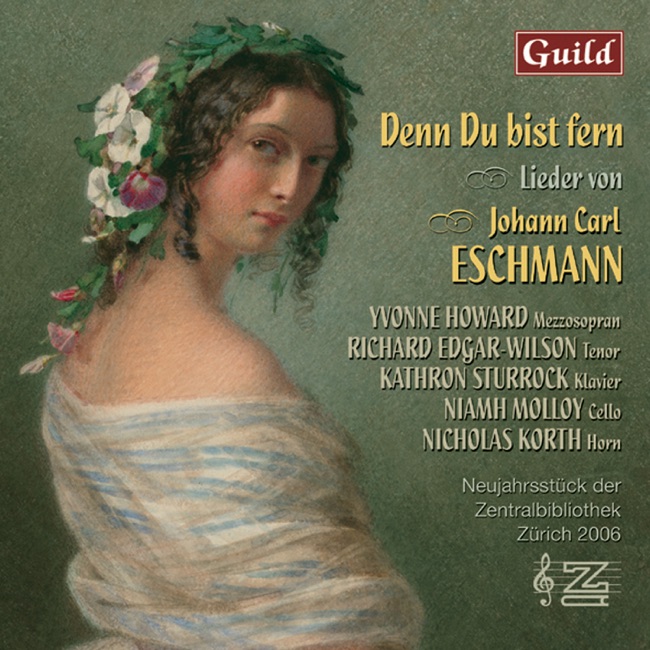 May 30, 2006
Artist Info
Role:ComposerBirth:1826Death:1882Genre:KeyboardJohann Carl Eschmann was a German composer and conductor who lived from 1826 to 1882. He was born in the town of Würzburg, in the state of Bavaria, Germany. Eschmann was the son of a musician, and he began his musical education at a young age. He studied piano, violin, and composition with his father, and later with other prominent musicians in the region. Eschmann's early compositions were influenced by the music of the Romantic era, which was popular in Germany during the mid-19th century. He was particularly drawn to the works of composers such as Robert Schumann, Felix Mendelssohn, and Franz Liszt. Eschmann's own compositions reflected this influence, with their lyrical melodies, rich harmonies, and emotional intensity. Eschmann's career as a composer began to take off in the 1850s, when he began to receive commissions for his works. His first major success came in 1854, when his Symphony No. 1 in C minor was premiered in Munich. The symphony was well-received by audiences and critics alike, and it established Eschmann as a composer to watch. Over the next few years, Eschmann continued to compose symphonies, as well as chamber music, choral works, and operas. His music was performed throughout Germany and other parts of Europe, and he became known for his ability to write music that was both technically challenging and emotionally engaging. One of Eschmann's most famous works is his Symphony No. 2 in D major, which was premiered in 1860. The symphony is notable for its use of folk melodies and dance rhythms, which give the work a distinctly Germanic flavor. The second movement, in particular, is a lively scherzo that features a catchy melody and intricate orchestration. Eschmann's other notable works include his Piano Concerto in A minor, which was premiered in 1865, and his opera Der Schmied von Marienburg, which was first performed in 1872. The piano concerto is a virtuosic work that showcases Eschmann's skill as a pianist and composer, while the opera is a dramatic tale of love and betrayal set in medieval Germany. In addition to his work as a composer, Eschmann was also a respected conductor. He held positions with several orchestras throughout Germany, including the Munich Court Orchestra and the Frankfurt Opera. As a conductor, Eschmann was known for his attention to detail and his ability to bring out the best in his musicians. Eschmann's career was cut short by his untimely death in 1882, at the age of 56. However, his music continued to be performed and admired in the years that followed. Today, Eschmann is remembered as one of the most important composers of the Romantic era in Germany, and his works continue to be studied and performed by musicians around the world.More....
Recent Artist Music
2

6:52
6
5:26
Copyright Ⓒ 2013 Davinci Finger. All rights reseved
Service Terms & Policy