


Sebastián Durón
Released Album
Vocal
-
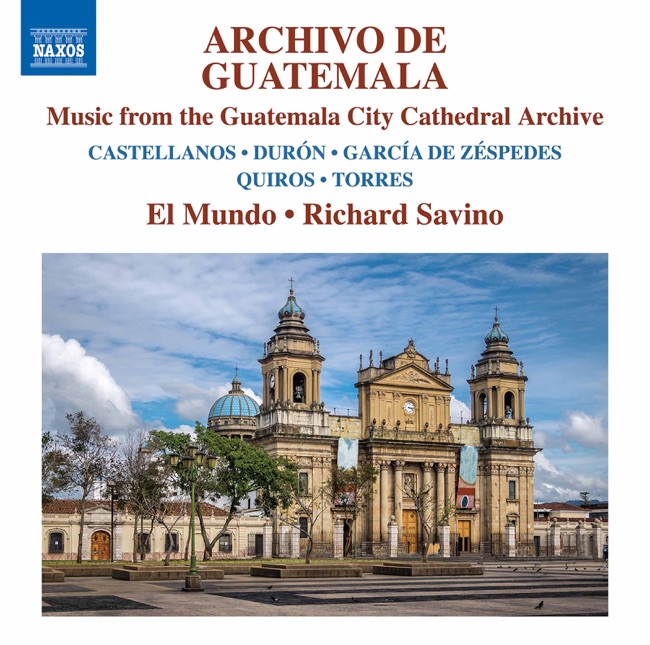
-
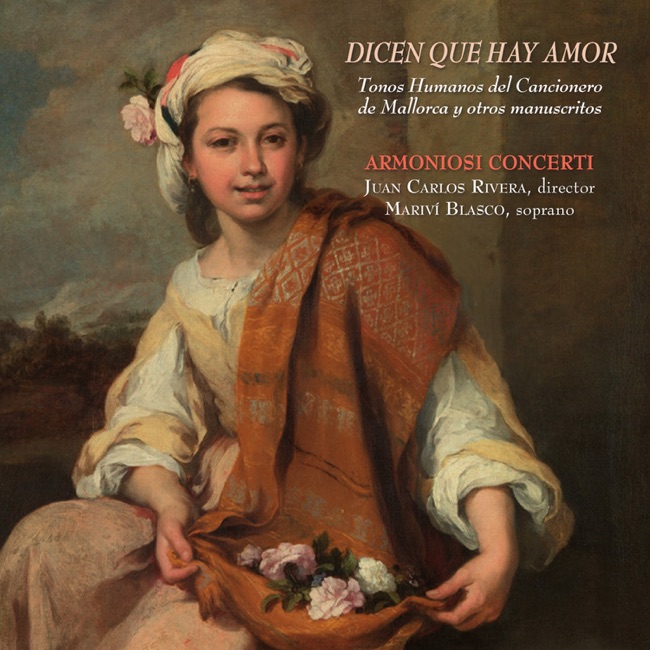 January 27, 2017
 -
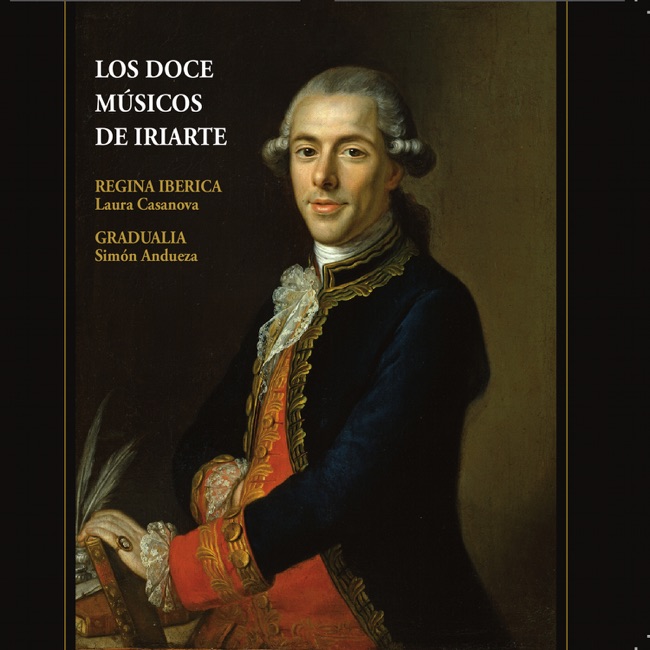 November 11, 2016
 -
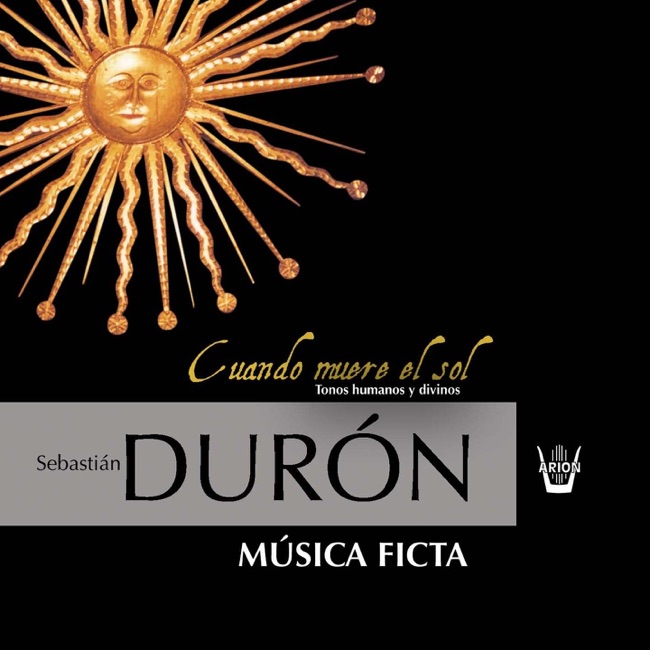 December 8, 2011
 -
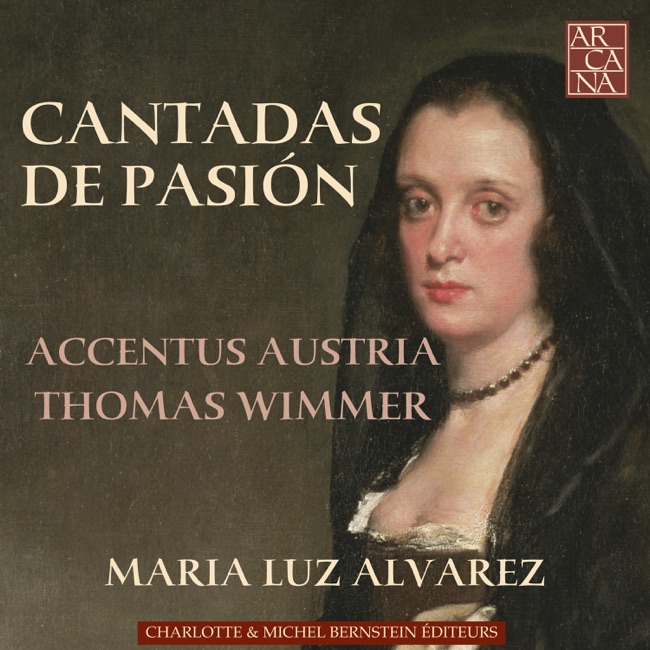 October 13, 2009
 -
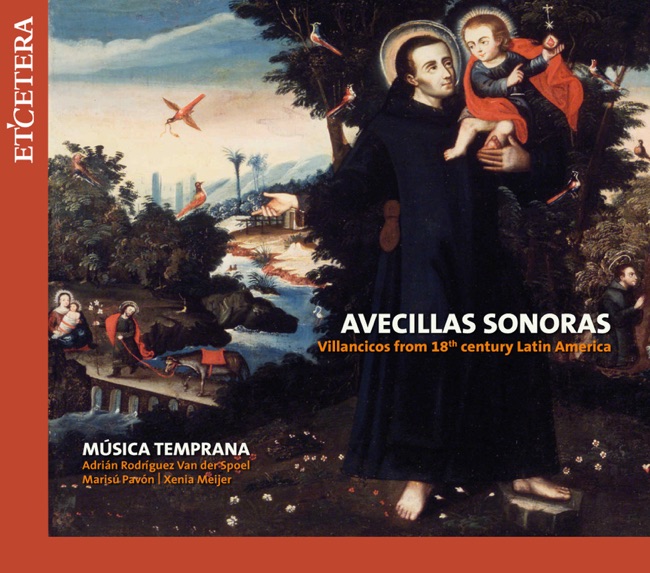 November 25, 2008
Opera
-
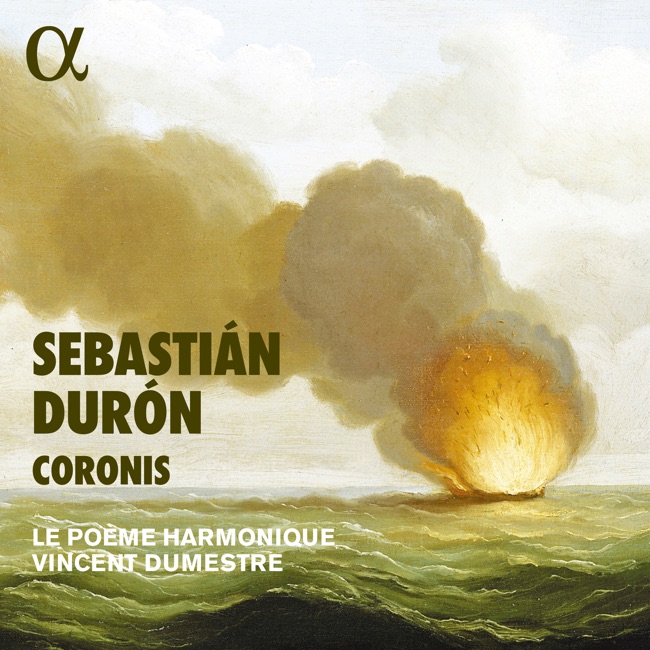 February 11, 2022
 -
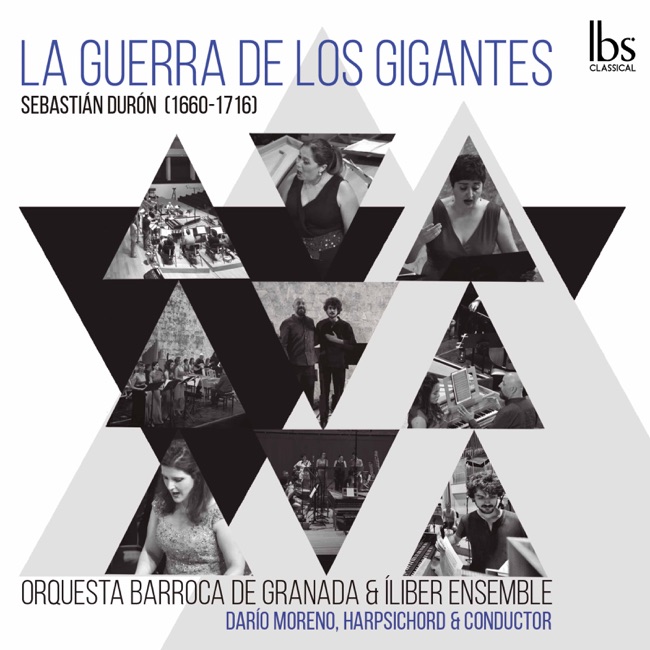 August 16, 2019
 -
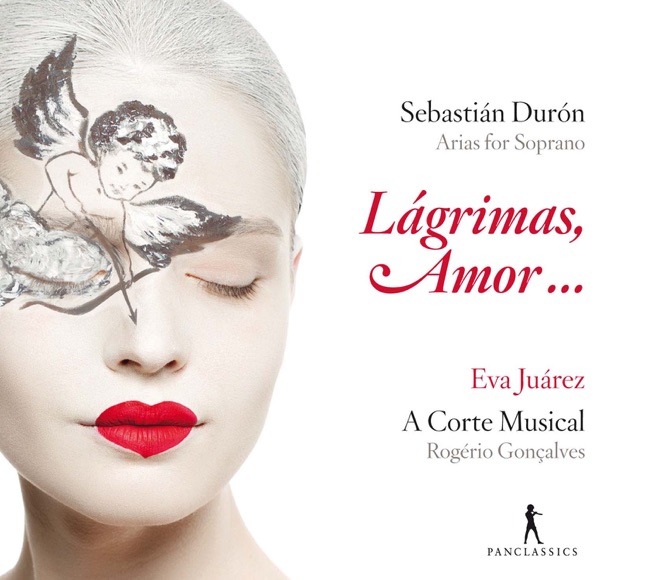 January 29, 2016
 -
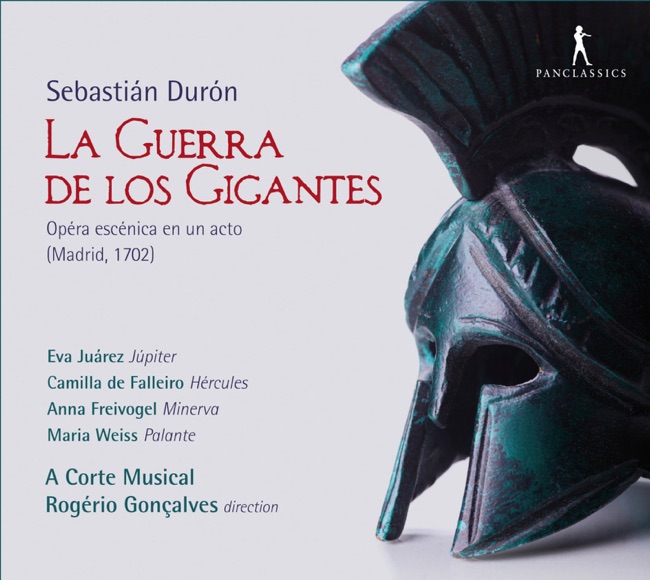 February 5, 2013
 -
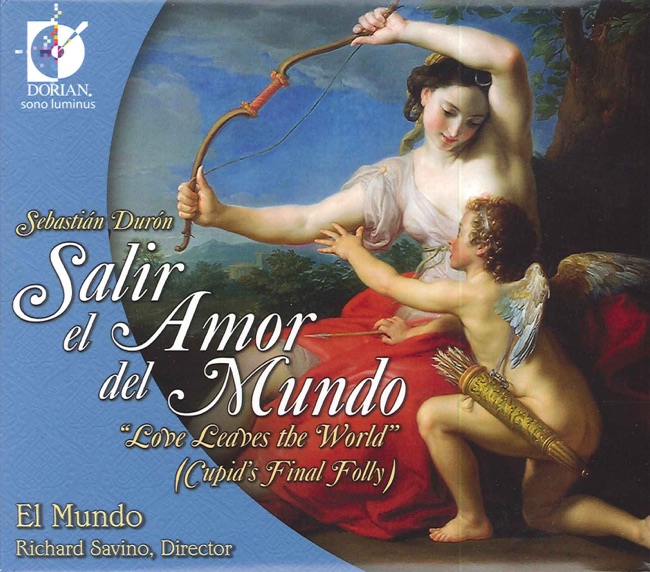 April 27, 2010
Miscellaneous
-
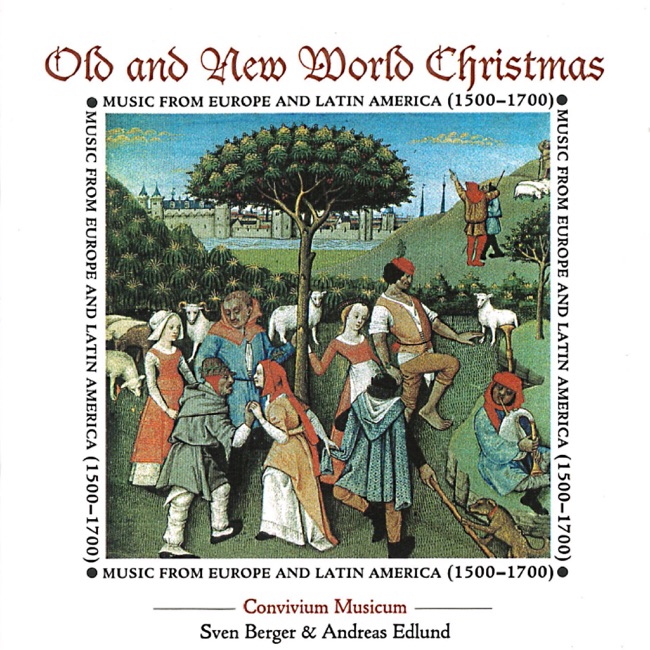 November 14, 2011
Artist Info
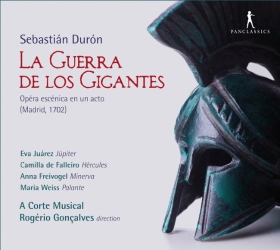
Role:ComposerCountry: SpainBirth:April 19, 1660Death:August 3, 1716Period:BaroqueSebastián Durón was a Spanish composer and musician who lived during the Baroque period. He was born on July 14, 1660, in Brihuega, a small town in the province of Guadalajara, Spain. Durón was the son of a musician, and he grew up in a musical family. His father, Francisco Durón, was a singer and organist, and his mother, Isabel Fernández, was a singer. Durón began his musical education at a young age, studying with his father and other local musicians. He showed great talent and quickly became known for his skills as a singer and keyboard player. In 1678, at the age of 18, he moved to Madrid to continue his studies. There, he studied with the famous composer Juan Hidalgo, who was the maestro de capilla (music director) at the Royal Chapel. Durón's talent was soon recognized, and he was appointed as a singer and keyboard player at the Royal Chapel. He also began to compose music, and his works were performed at the Royal Chapel and other venues in Madrid. In 1687, he was appointed as the maestro de capilla at the Royal Convent of the Incarnation in Madrid, a position he held for 20 years. During his time at the Royal Convent of the Incarnation, Durón composed a large number of works, including operas, zarzuelas (Spanish operettas), and sacred music. His operas and zarzuelas were very popular, and he became known as one of the leading composers of his time. Some of his most famous works include the operas "La Guerra de los Gigantes" and "La Fuerza del Amor," and the zarzuelas "El Imposible Mayor en Amor, le Vence Amor" and "La Gran Cenobia." Durón's sacred music was also highly regarded, and he composed a large number of masses, motets, and other works for the church. His music was known for its beauty and expressiveness, and it was often performed at the Royal Chapel and other churches in Madrid. In addition to his work as a composer, Durón was also a skilled keyboard player and singer. He often performed his own works, and he was known for his virtuosity and expressive playing. He also taught music, and many of his students went on to become successful musicians and composers. Durón's career was not without its challenges, however. In 1701, he was accused of embezzlement and was forced to leave his position at the Royal Convent of the Incarnation. He spent the next few years traveling and working as a freelance musician, but he eventually returned to Madrid and was able to resume his career as a composer and musician. Durón died on August 28, 1716, in Villacastín, a town in the province of Segovia, Spain. He was buried in the church of San Andrés in Villacastín, but his remains were later moved to the Royal Chapel in Madrid. Today, Durón is remembered as one of the most important composers of the Baroque period in Spain. His music is still performed and recorded, and it is admired for its beauty, expressiveness, and technical skill. His works continue to be an important part of the Spanish musical tradition, and they are a testament to his talent and creativity as a composer.More....
Recent Artist Music
3
1:52
4

5:42
5
5:49
8
5:52
14
2:33

Copyright Ⓒ 2013 Davinci Finger. All rights reseved
Service Terms & Policy