


Jerzy Fitelberg
Released Album
Orchestral
-
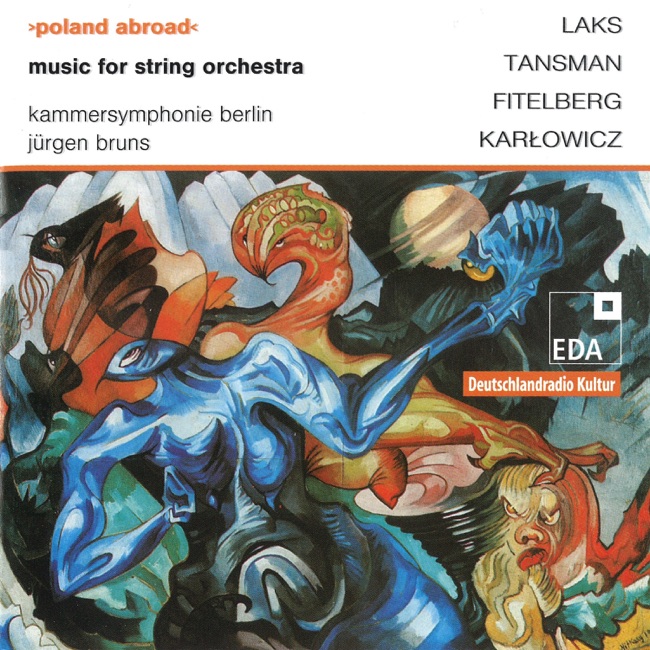 June, 2006
Keyboard
-
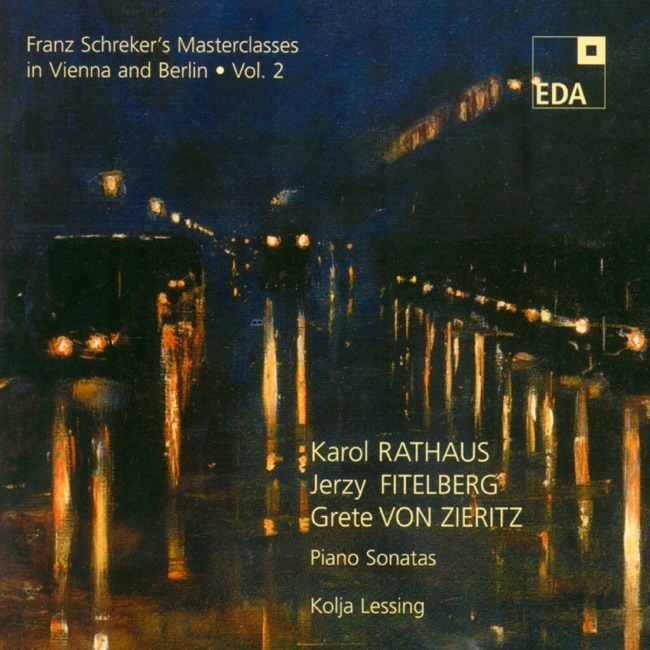 October 1, 2002
Chamber
-
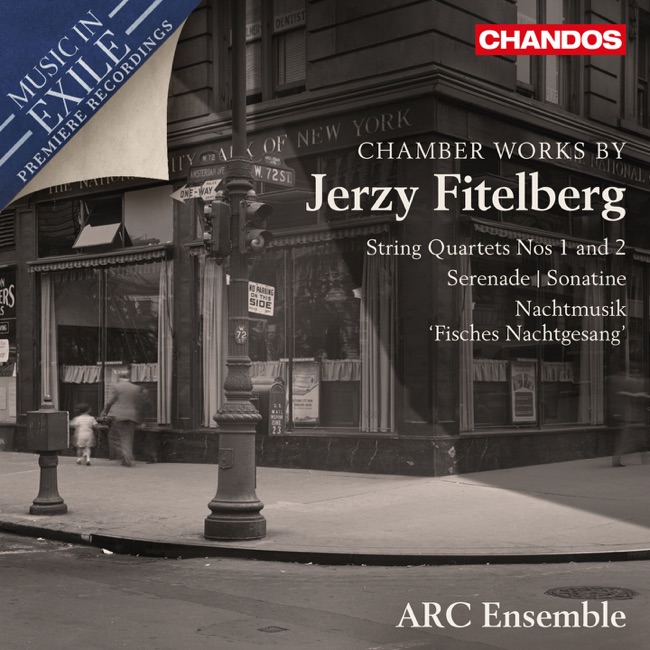 October 30, 2015
Artist Info
Role:ComposerBirth:May 20, 1903 in Warsaw, PolandDeath:April 25, 1951 in New York City, NYPeriod:ModernGenre:KeyboardJerzy Fitelberg was a Polish composer and conductor who was born on March 20, 1903, in Warsaw, Poland. He was the son of the famous conductor and composer, Grzegorz Fitelberg, who was a prominent figure in the Polish music scene during the early 20th century. Jerzy Fitelberg grew up in a musical family and was exposed to music from a very young age. He showed a keen interest in music and began his formal training in composition and conducting at the Warsaw Conservatory. Fitelberg's early compositions were heavily influenced by the works of his father and other prominent Polish composers of the time, such as Karol Szymanowski and Witold Lutosławski. He was also influenced by the music of the French impressionists, particularly Claude Debussy and Maurice Ravel. Fitelberg's early works were characterized by their lush harmonies, colorful orchestration, and a strong sense of melody. In 1926, Fitelberg moved to Paris to study with Nadia Boulanger, one of the most influential composition teachers of the 20th century. Boulanger was known for her rigorous training methods and her ability to bring out the best in her students. Under her guidance, Fitelberg's compositions became more refined and sophisticated. He began to experiment with new forms and techniques, such as serialism and atonality, while still retaining his distinctive style. Fitelberg's breakthrough came in 1930 when he won first prize in the International Columbia Graphophone Competition for his Symphony No. 1. The symphony was hailed as a masterpiece and brought Fitelberg international recognition. The work was characterized by its sweeping melodies, lush harmonies, and colorful orchestration. It was a testament to Fitelberg's skill as a composer and his ability to create music that was both accessible and sophisticated. Throughout the 1930s, Fitelberg continued to compose and conduct. He was a prolific composer, and his works ranged from orchestral pieces to chamber music and vocal works. He was also a sought-after conductor and led many of the leading orchestras in Europe, including the Berlin Philharmonic and the London Symphony Orchestra. In 1939, Fitelberg returned to Poland, just as World War II was breaking out. He continued to compose and conduct, but his career was severely impacted by the war. He was forced to flee Warsaw when the city was occupied by the Germans, and he spent much of the war in hiding. Despite the difficult circumstances, Fitelberg continued to compose, and his music during this period was characterized by its somber and introspective tone. After the war, Fitelberg returned to Poland and resumed his career as a composer and conductor. He was appointed the conductor of the Polish Radio Symphony Orchestra in 1945, a position he held until 1950. During this time, he continued to compose and conduct, and his music began to reflect the changing political climate in Poland. He became more interested in folk music and began to incorporate elements of Polish folk music into his compositions. One of Fitelberg's most famous works from this period is his Concerto for Piano and Orchestra, which was composed in 1948. The concerto is characterized by its virtuosic piano writing and its use of Polish folk melodies. It was premiered by the Polish pianist Witold Małcużyński and was an instant success. The work has since become a staple of the piano concerto repertoire and is considered one of Fitelberg's greatest achievements.More....
Recent Artist Music
2
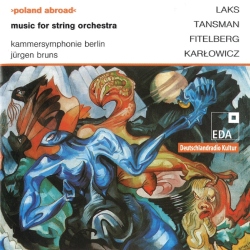
6:25
3
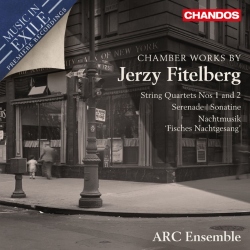
Night Music, Op. 9 ("Fish Night Song")
Nachtmusik, Op. 9 'Fisches Nachtgesang' for Clarinet, Cello and Celeste
5:9
Copyright Ⓒ 2013 Davinci Finger. All rights reseved
Service Terms & Policy