


Allen Sapp
Released Album
Miscellaneous
-
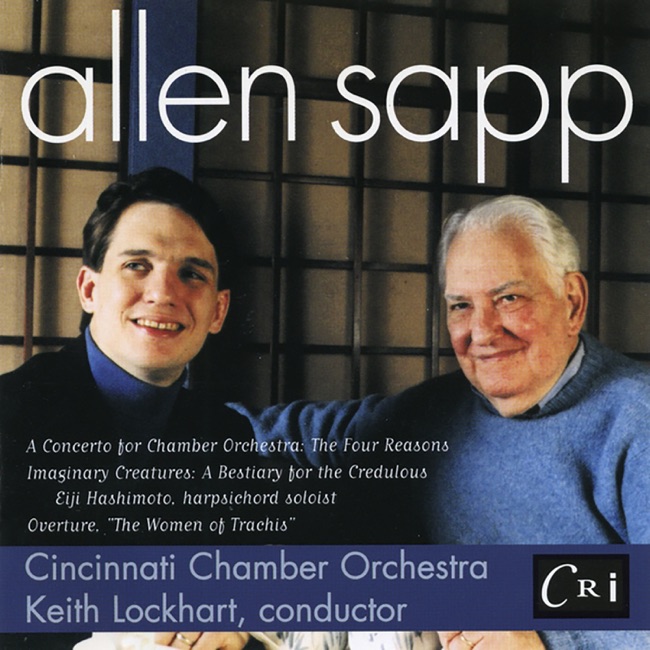 January 20, 1998
Chamber
-
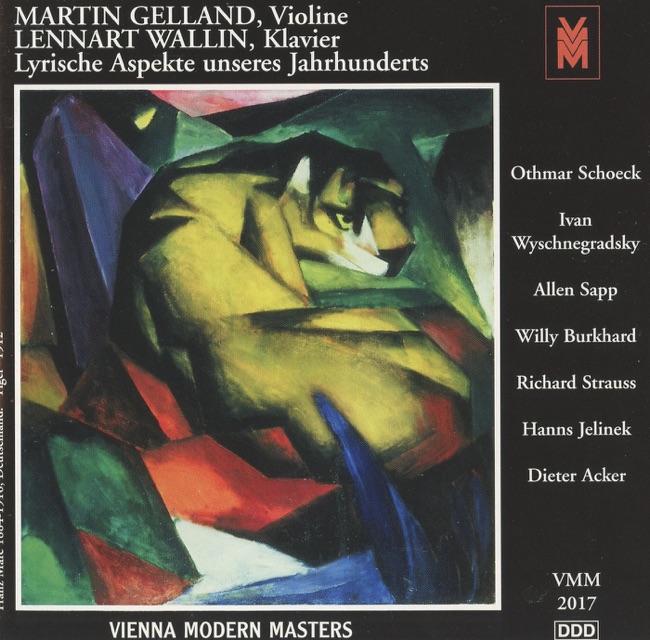 May, 1996
Artist Info
Role:ComposerBirth:December 10, 1922 in Philadelphia, PADeath:January 4, 1999 in Cincinnati, OHPeriod:ModernGenre:ChamberConcertoKeyboardOrchestralAllen Sapp was a renowned classical music composer who was born on May 29, 1922, in New York City. He was the youngest of three children born to a family of musicians. His father was a violinist, and his mother was a pianist. Sapp's parents recognized his musical talent at an early age and encouraged him to pursue a career in music. Sapp began his musical education at the age of six when he started taking piano lessons. He showed a natural aptitude for the instrument and quickly progressed. By the age of ten, he had already composed his first piece of music. Sapp continued to study piano and composition throughout his childhood and teenage years. In 1940, Sapp enrolled at the Juilliard School of Music in New York City. He studied composition under the tutelage of renowned composer Aaron Copland. Copland recognized Sapp's talent and encouraged him to pursue a career in composition. Sapp graduated from Juilliard in 1944 with a Bachelor of Music degree. After graduation, Sapp began working as a freelance composer. He composed music for films, television shows, and commercials. He also wrote music for the theater, including several Broadway productions. Sapp's music was well-received, and he quickly gained a reputation as a talented composer. In 1950, Sapp was commissioned to write a piece of music for the New York Philharmonic. The resulting work, Symphony No. 1, was a critical success and established Sapp as a serious composer of classical music. The symphony was performed by orchestras around the world and earned Sapp numerous awards and accolades. Over the next several years, Sapp continued to compose music for orchestras, chamber ensembles, and soloists. He wrote several operas, including The Tempest, which was based on the play by William Shakespeare. Sapp's music was known for its lyrical melodies, lush harmonies, and intricate rhythms. In 1965, Sapp was commissioned to write a piece of music for the opening of the Lincoln Center for the Performing Arts in New York City. The resulting work, Lincoln Center Overture, was a grand and celebratory piece that showcased Sapp's skill as a composer. The overture was performed by the New York Philharmonic at the opening ceremony and has since become a staple of orchestral repertoire. Throughout his career, Sapp was known for his dedication to music education. He taught composition at several universities, including the Juilliard School of Music and the Manhattan School of Music. He also served as a mentor to many young composers, helping them to develop their skills and find their own unique voices. Sapp's music continued to be performed and recorded long after his death in 2001. His works have been featured on numerous recordings and have been performed by some of the world's most renowned orchestras and soloists. Sapp's legacy as a composer and educator continues to inspire new generations of musicians. In conclusion, Allen Sapp was a gifted composer who made significant contributions to the world of classical music. His music was known for its beauty, complexity, and emotional depth. Sapp's dedication to music education and his willingness to mentor young composers helped to ensure that his legacy would continue long after his death. Today, Sapp's music remains an important part of the classical music canon and continues to inspire and delight audiences around the world.More....
Recent Artist Music
Copyright Ⓒ 2013 Davinci Finger. All rights reseved
Service Terms & Policy