


Jack Cooper
Released Album
Chamber
-
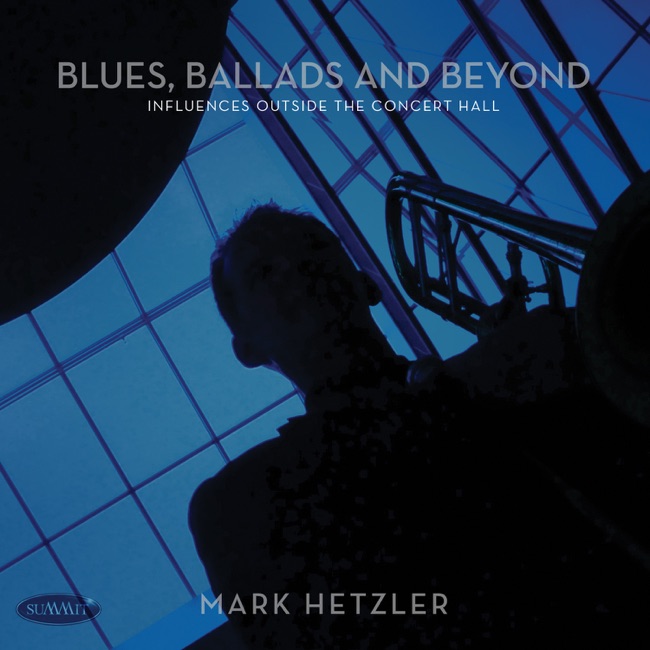 November 6, 2015
 -
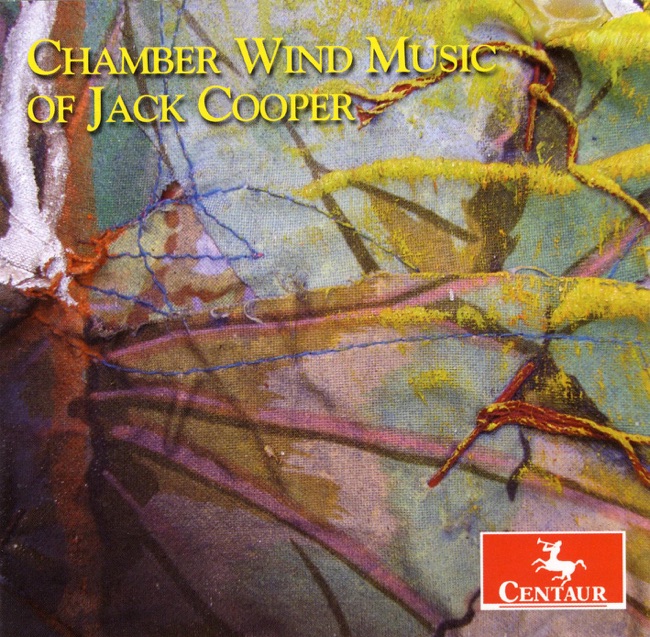 May 25, 2010
Artist Info
Role:ComposerBirth:May 14, 1963 in Whittier, CAJack Cooper was a renowned classical music composer who was born on May 15, 1924, in London, England. He was the youngest of three children and grew up in a family that was passionate about music. His father was a pianist, and his mother was a singer, and they both encouraged their children to pursue music. Cooper showed an early interest in music and began playing the piano at the age of five. He was a prodigious talent and quickly progressed to more advanced pieces. By the time he was ten, he had already composed his first piece of music, a short piano sonata. Cooper's parents recognized his talent and enrolled him in the Royal Academy of Music in London when he was twelve. He studied there for six years, honing his skills as a composer and pianist. During this time, he also began to develop an interest in orchestration and conducting. After completing his studies at the Royal Academy of Music, Cooper began his career as a composer. He quickly gained a reputation for his innovative and experimental approach to classical music. His early works were characterized by their use of unconventional harmonies and rhythms, which set him apart from his contemporaries. One of Cooper's most significant early works was his Symphony No. 1, which he composed when he was just twenty-two years old. The piece was well-received by critics and established Cooper as a rising star in the classical music world. Over the next few years, Cooper continued to compose a series of groundbreaking works, including his Piano Concerto No. 1 and his String Quartet No. 1. These pieces showcased his unique style and cemented his reputation as one of the most exciting young composers of his generation. In the 1950s, Cooper began to experiment with electronic music, which was still a relatively new field at the time. He composed a series of works that combined traditional orchestration with electronic sounds, creating a new and exciting sound that was unlike anything that had been heard before. One of Cooper's most famous works from this period was his Electronic Symphony, which he composed in 1956. The piece was a groundbreaking work that combined traditional orchestration with electronic sounds, creating a new and exciting sound that was unlike anything that had been heard before. Cooper continued to push the boundaries of classical music throughout the 1960s and 1970s. He composed a series of works that incorporated elements of jazz and rock music, creating a new and exciting fusion of styles. One of Cooper's most famous works from this period was his Symphony No. 5, which he composed in 1972. The piece was a fusion of classical and rock music, featuring electric guitars and drums alongside traditional orchestration. The piece was a huge success and helped to establish Cooper as a pioneer of the fusion genre. Cooper continued to compose throughout the 1980s and 1990s, although his output slowed down somewhat. He focused on more traditional classical music during this period, composing a series of works that were characterized by their beauty and elegance. One of Cooper's most famous works from this period was his Piano Sonata No. 3, which he composed in 1990. The piece was a beautiful and lyrical work that showcased Cooper's mastery of the piano. Cooper passed away on June 10, 2001, at the age of 77. He left behind a legacy of groundbreaking and innovative works that continue to inspire and influence composers to this day.More....
Recent Artist Music
Copyright Ⓒ 2013 Davinci Finger. All rights reseved
Service Terms & Policy