


Hélène De Montgeroult
Released Album
Keyboard
-
 April 28, 2023
 -
 October 7, 2022
 -
 March 25, 2022
 -
 November 12, 2021
 -
 February 3, 2017
 -
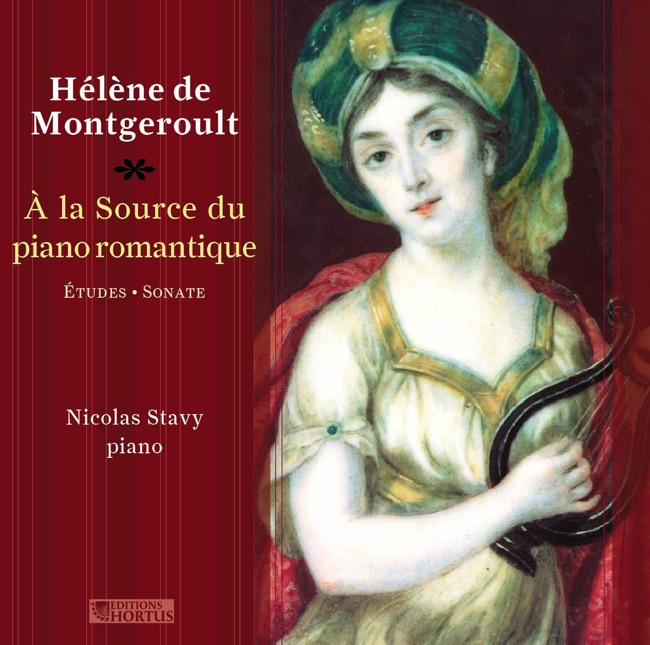 July 12, 2011
Chamber
-
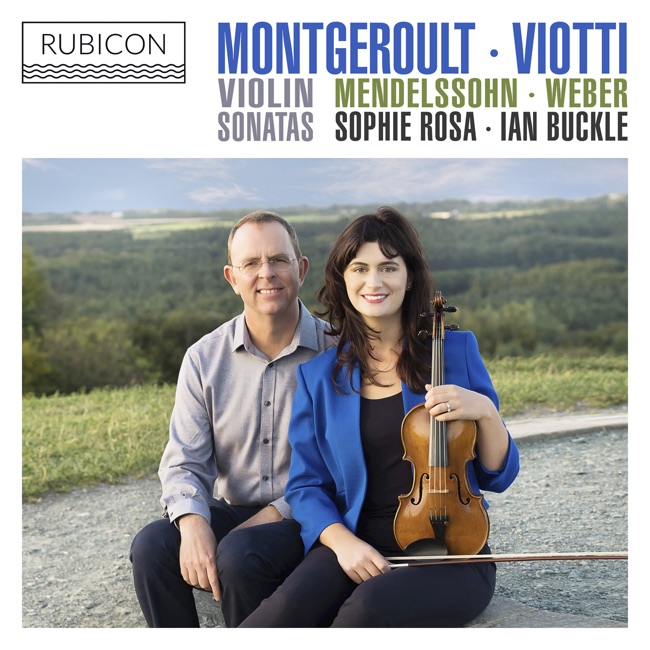 February 26, 2021
Artist Info
Role:ComposerBirth:March 2, 1764 in Lyon, FranceDeath:May 20, 1836 in Florence, ItalyHélène De Montgeroult was a French classical music composer and pianist who lived from 1764 to 1836. She was born into a family of musicians, with her father being a composer and her mother a singer. From a young age, Hélène showed a great talent for music and began studying the piano with her father. As a child, Hélène was also exposed to the works of great composers such as Bach, Mozart, and Beethoven. She was particularly drawn to the music of Bach and spent many hours studying his works. This early exposure to the great composers of the past would have a profound influence on Hélène's own compositions later in life. At the age of 16, Hélène was sent to Paris to study with the renowned pianist and composer Johann Schobert. Schobert was impressed with Hélène's talent and took her on as a student. Under his tutelage, Hélène continued to develop her skills as a pianist and composer. In 1785, Hélène married the French diplomat Alexandre-Marie Marquis de Montgeroult. The couple had two children together, but Hélène's passion for music never waned. She continued to compose and perform throughout her life, even after her husband's death in 1800. Hélène's compositions were highly regarded during her lifetime, but she is perhaps best known for her piano method, which was published in 1816. The method was groundbreaking in its approach, emphasizing the importance of technique and the development of a strong foundation in music theory. It was also one of the first piano methods to be written by a woman. Hélène's compositions were varied in style and included works for piano, chamber music, and vocal music. Her piano music was particularly notable for its technical difficulty and virtuosity. She was known for her use of complex harmonies and unconventional chord progressions, which set her apart from many of her contemporaries. One of Hélène's most famous works is her Sonata in C minor, which was composed in 1795. The sonata is a tour de force of technical skill, with its fast runs and intricate passages. It is also notable for its use of chromaticism, which was a relatively new technique at the time. Another notable work by Hélène is her set of 24 Etudes, which were published in 1820. The etudes are highly virtuosic and were designed to challenge even the most skilled pianists of the time. They are also notable for their use of unusual harmonies and complex rhythms. Despite her many accomplishments, Hélène's music fell out of favor after her death. It was not until the 20th century that her works began to be rediscovered and appreciated once again. Today, she is recognized as one of the most important female composers of the classical era. In conclusion, Hélène De Montgeroult was a pioneering composer and pianist who broke new ground in the world of classical music. Her technical skill and innovative approach to composition set her apart from many of her contemporaries, and her piano method remains an important contribution to music education to this day. Despite the challenges she faced as a woman in a male-dominated field, Hélène's music continues to inspire and captivate audiences around the world.More....
Recent Artist Music
4
8:33
7
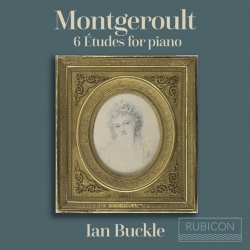
Study for piano No. 62 in E flat major
114 Études de difficultés progressives, No. 62 in E flat major
3:14

10
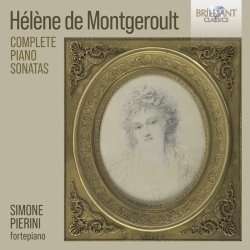
7:34
Recommend Playlist











Copyright Ⓒ 2013 Davinci Finger. All rights reseved
Service Terms & Policy