


Thomas Osborne
Released Album
Chamber
-
 April 20, 2018
 -
 March 11, 2014
 -
 November 30, 2010
Keyboard
-
 December 10, 2013
Choral
-
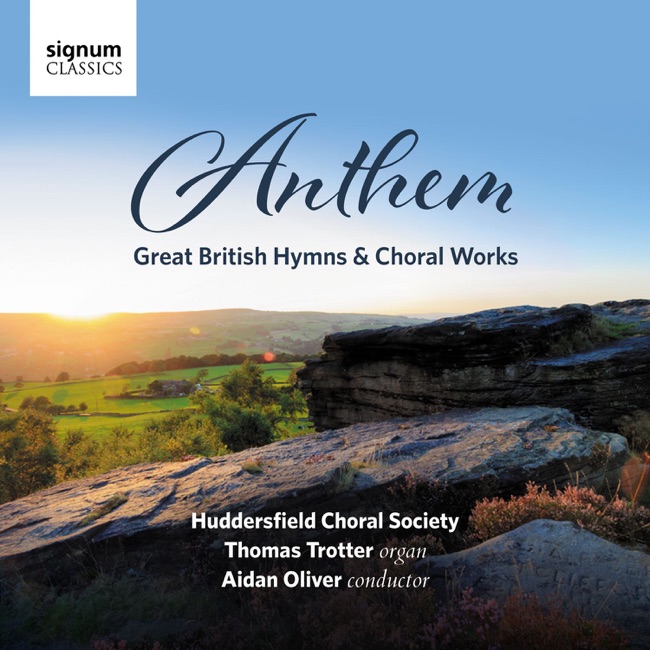 February 3, 2017
Artist Info
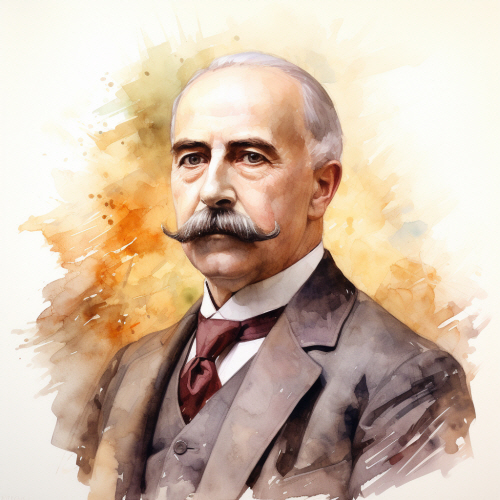
Role:Composer PerformerThomas Osborne was a British composer who lived from 1859 to 1929. He was born in the town of Warrington, in the county of Lancashire, in the north of England. His father was a musician, and he grew up in a musical household. From a young age, he showed a talent for music, and he began to study the piano and the violin. Osborne's musical education began at the age of eight, when he started taking piano lessons. He quickly showed a talent for the instrument, and he began to compose his own music. At the age of ten, he started taking violin lessons, and he soon became proficient on that instrument as well. In his teenage years, Osborne began to study music more seriously. He attended the Royal Academy of Music in London, where he studied composition with Charles Villiers Stanford. Stanford was a prominent composer of the time, and he had a significant influence on Osborne's musical style. Osborne's early compositions were influenced by the Romantic composers of the 19th century, such as Brahms and Wagner. He wrote a number of works for piano and violin, as well as chamber music and orchestral pieces. His music was well-received, and he began to gain a reputation as a promising young composer. In 1887, Osborne was appointed as the conductor of the Carl Rosa Opera Company. This was a significant appointment, as the Carl Rosa Company was one of the leading opera companies in Britain at the time. Osborne conducted a number of operas for the company, including productions of Verdi's "Aida" and "Il Trovatore". During his time with the Carl Rosa Company, Osborne continued to compose music. He wrote a number of operas, including "The Outlaw", which was premiered in 1894. The opera was well-received, and it helped to establish Osborne as a major composer. In addition to his work with the Carl Rosa Company, Osborne also conducted for other opera companies and orchestras. He was a regular conductor at the Royal Opera House in London, and he conducted the first performance of Elgar's "The Dream of Gerontius" in 1900. Osborne's music continued to evolve throughout his career. In his later works, he began to incorporate elements of folk music into his compositions. He wrote a number of works for the violin, including a set of "Folk Dances" and a "Scottish Fantasy". These works were inspired by the traditional music of the British Isles, and they helped to establish Osborne as a composer with a unique voice. One of Osborne's most famous works is his "Piano Concerto in A minor". The concerto was written in 1904, and it is considered to be one of the finest works for piano and orchestra of the early 20th century. The concerto is notable for its virtuosic piano writing and its lush orchestration. Osborne's music was well-regarded during his lifetime, and he was awarded a number of honors for his contributions to British music. He was made a Fellow of the Royal Academy of Music in 1901, and he was awarded a knighthood in 1922. Today, Osborne's music is not as well-known as that of some of his contemporaries, such as Elgar and Vaughan Williams. However, his music is still performed and recorded, and it is appreciated by those who are familiar with it. Osborne's legacy as a composer is one of a talented musician who made significant contributions to the musical landscape of his time.More....
Recent Artist Music
Copyright Ⓒ 2013 Davinci Finger. All rights reseved
Service Terms & Policy