


Yury Alexandrovich Shaporin
Released Album
Keyboard
-
 February 1, 2017
Opera
-
 July 18, 2006
 -
-
 May 10, 2004
Vocal
-
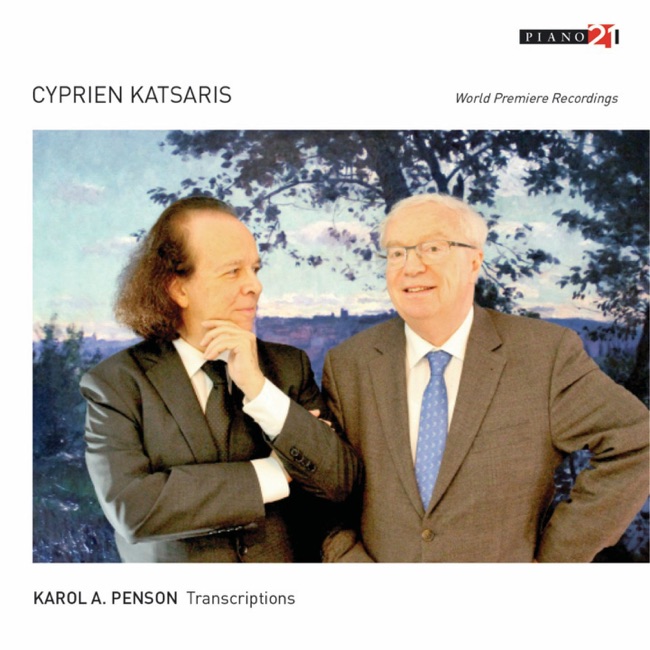 April 6, 2018
 -
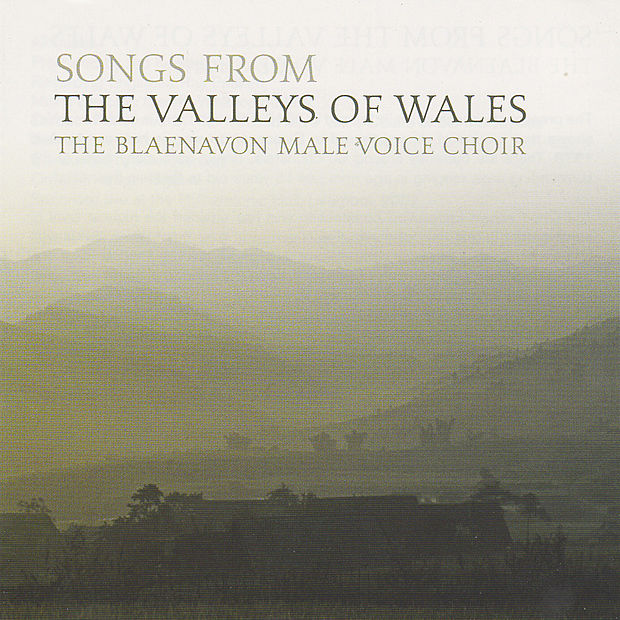 May 13, 2008
 -
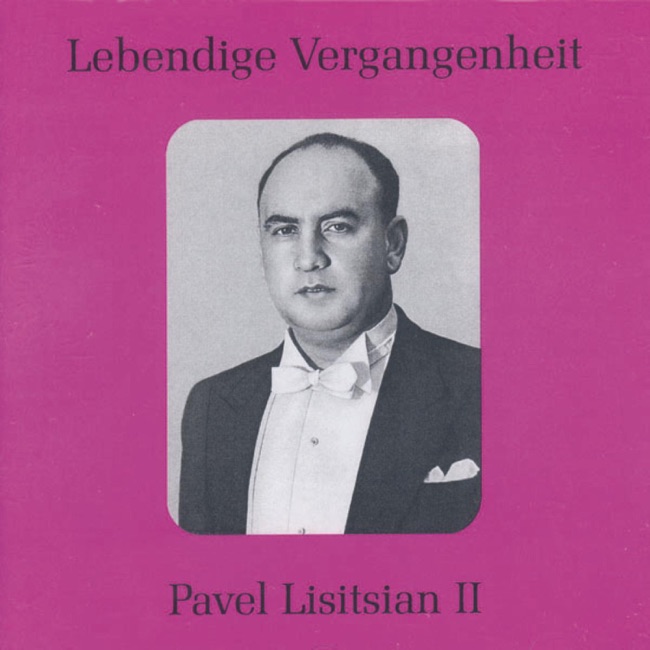 October 24, 2000
Artist Info
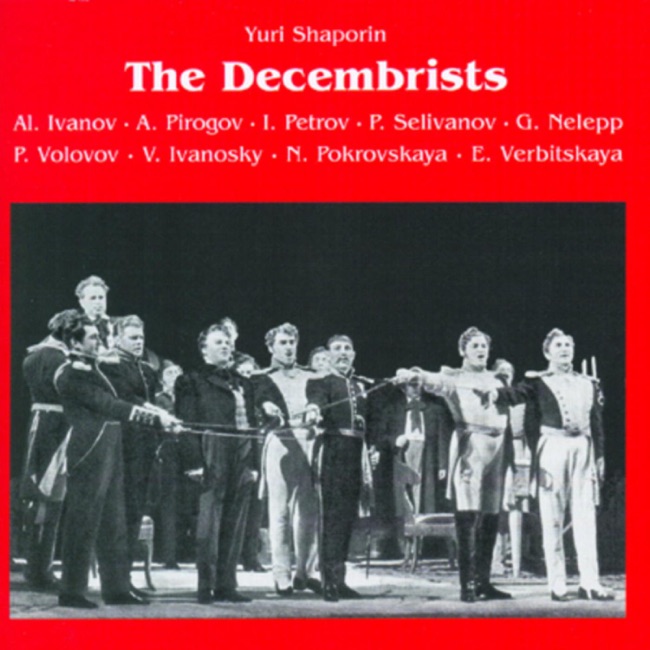
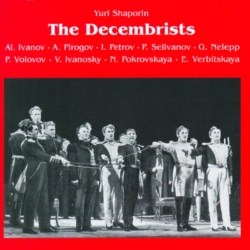
Role:ComposerCountry: RussiaBirth:November 8, 1887 in Glukhov, UkraineDeath:December 9, 1966 in Moscow, RussiaPeriod:ModernGenre:KeyboardOperaVocalYury Alexandrovich Shaporin was a prominent Russian composer of the 20th century. He was born on June 6, 1887, in the city of Gatchina, near St. Petersburg. His father was a military officer, and his mother was a pianist. Shaporin showed an early interest in music and began studying piano and composition at a young age. In 1905, Shaporin entered the St. Petersburg Conservatory, where he studied composition with Nikolai Rimsky-Korsakov, one of the most influential Russian composers of the time. Rimsky-Korsakov's teachings had a profound impact on Shaporin's musical style, which was characterized by a strong sense of melody, colorful orchestration, and a deep appreciation for Russian folk music. After graduating from the conservatory in 1910, Shaporin began working as a composer and conductor in St. Petersburg. He quickly gained a reputation as a talented composer, and his works were performed by some of the leading orchestras and ensembles in Russia. One of Shaporin's early successes was his opera "The Decembrists," which premiered in 1922. The opera tells the story of a group of Russian revolutionaries who attempted to overthrow the government in 1825. The work was praised for its powerful music and dramatic storytelling, and it helped establish Shaporin as one of the leading composers of his generation. In the years that followed, Shaporin continued to compose a wide range of works, including symphonies, ballets, chamber music, and choral works. He was particularly interested in exploring the possibilities of combining traditional Russian folk music with Western classical music, and many of his works feature elements of both styles. One of Shaporin's most famous works is his ballet "The Bolt," which premiered in 1931. The ballet tells the story of a group of factory workers who rebel against their oppressive boss. The music is characterized by its driving rhythms and colorful orchestration, and it has become a staple of the Russian ballet repertoire. Another notable work by Shaporin is his Symphony No. 2, which premiered in 1940. The symphony is a powerful and emotional work that reflects the turmoil of the times in which it was written. It features a wide range of musical styles, from lush romantic melodies to dissonant, modernist harmonies. Throughout his career, Shaporin remained committed to the ideals of Soviet socialism, and many of his works reflect this political and social consciousness. He was a member of the Communist Party and served as the head of the Union of Soviet Composers from 1948 until his death in 1966. Despite his political affiliations, Shaporin's music was widely admired both in Russia and abroad. He was awarded numerous honors and awards throughout his career, including the Stalin Prize and the Order of Lenin. Today, Shaporin is remembered as one of the most important composers of the Soviet era. His music continues to be performed and recorded by orchestras and ensembles around the world, and his legacy as a composer and educator remains an important part of Russian musical history.More....
Recent Artist Music
11
2:57
14
3:44

Copyright Ⓒ 2013 Davinci Finger. All rights reseved
Service Terms & Policy