


Léon Laffitte
Released Album
Opera
-
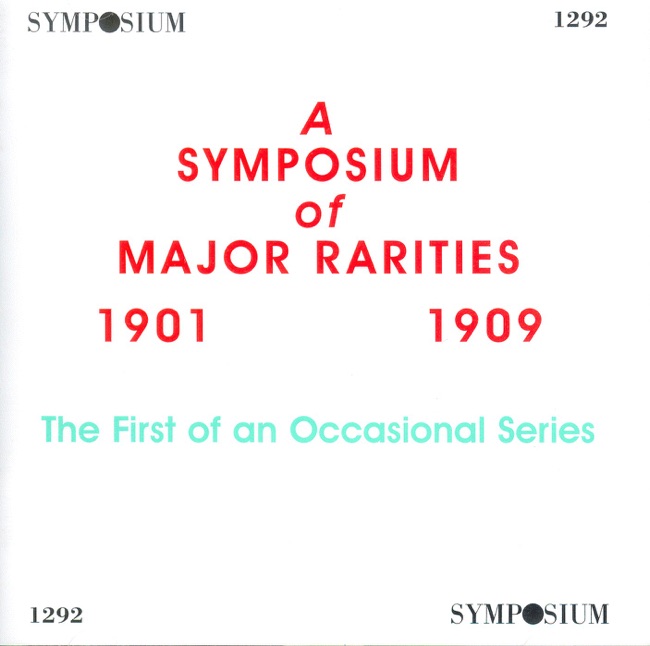
-
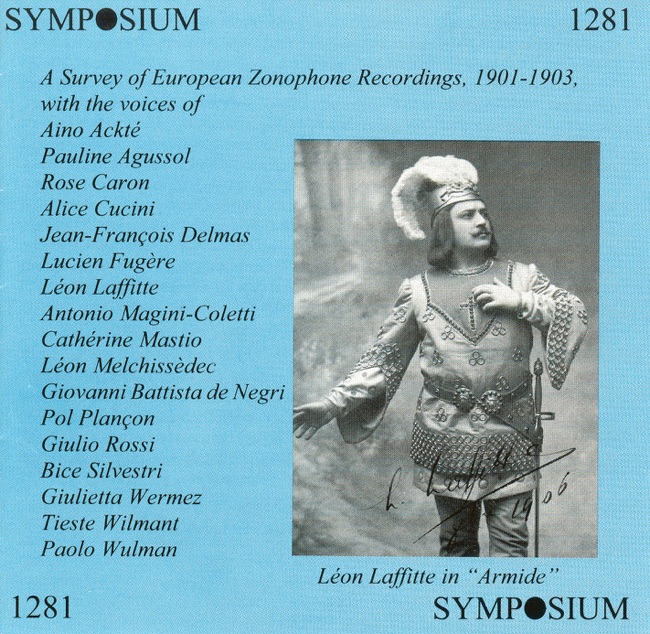 September 13, 2004
Artist Info
Role:PerformerLéon Laffitte was a French classical music artist who was born on January 1, 1892, in Paris, France. He was the son of a music teacher and grew up in a family that was deeply involved in music. From a young age, Laffitte showed a natural talent for music and began studying the piano at the age of six. Laffitte's early musical education was under the tutelage of his father, who was a respected music teacher in Paris. He quickly progressed in his studies and by the age of 12, he was already performing in public concerts. Laffitte's talent was recognized by many, and he was soon offered a scholarship to study at the Paris Conservatory. At the Paris Conservatory, Laffitte studied under some of the most renowned music teachers of the time. He excelled in his studies and won several awards and prizes for his performances. In 1911, he won the prestigious Prix de Rome, which allowed him to study music in Italy for three years. During his time in Italy, Laffitte continued to hone his skills as a pianist and composer. He also had the opportunity to perform in some of the most famous concert halls in Europe. His performances were well-received, and he quickly gained a reputation as one of the most talented young musicians of his generation. After returning to France, Laffitte continued to perform and compose music. He became a regular performer at the Paris Opera and other major concert halls in France. He also began to teach music, passing on his knowledge and skills to the next generation of musicians. One of Laffitte's most notable performances was in 1928, when he performed the world premiere of Maurice Ravel's Piano Concerto in G Major. The performance was a huge success, and Laffitte's interpretation of the piece was widely praised. He continued to perform the concerto throughout his career, becoming one of the foremost interpreters of Ravel's music. Laffitte's career was not without its challenges, however. During World War II, he was forced to flee France and go into hiding to avoid persecution by the Nazis. Despite the danger, he continued to perform and compose music, and his work during this time is considered some of his most powerful and emotional. After the war, Laffitte returned to France and resumed his career as a musician. He continued to perform and compose music until his death in 1963. Throughout his career, he won numerous awards and accolades for his work, including the Legion of Honor, one of France's highest honors. Laffitte's legacy as a musician and composer continues to this day. His performances and compositions are still studied and admired by musicians around the world. He is remembered as one of the greatest classical music artists of the 20th century, and his contributions to the world of music will never be forgotten.More....
Recent Artist Music
Copyright Ⓒ 2013 Davinci Finger. All rights reseved
Service Terms & Policy