


Ludvig Norman
Released Album
Orchestral
-
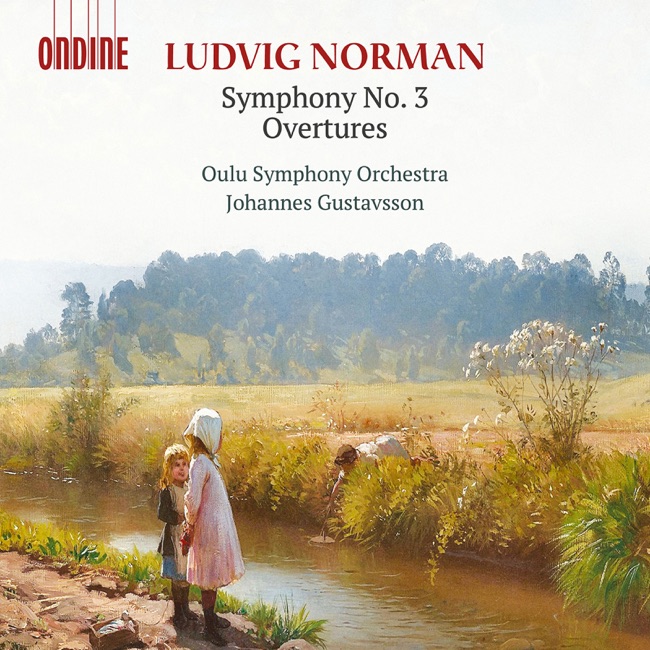 August 5, 2022
 -
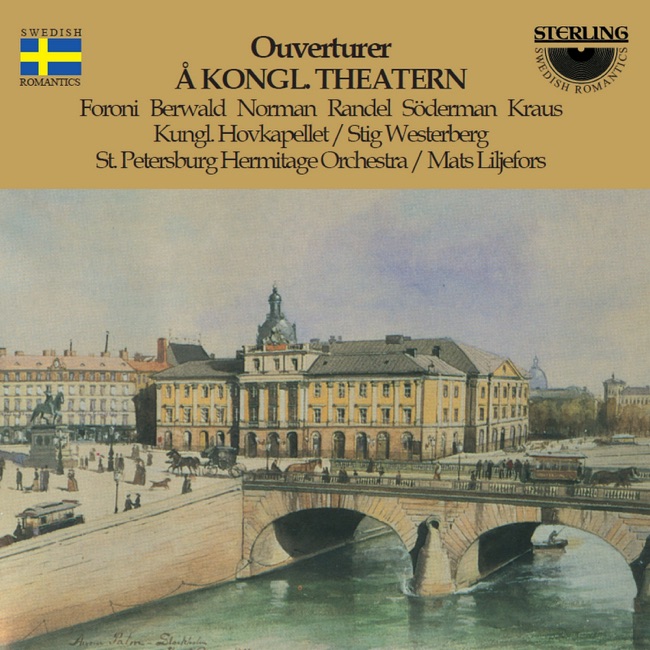 January 1, 1995
Chamber
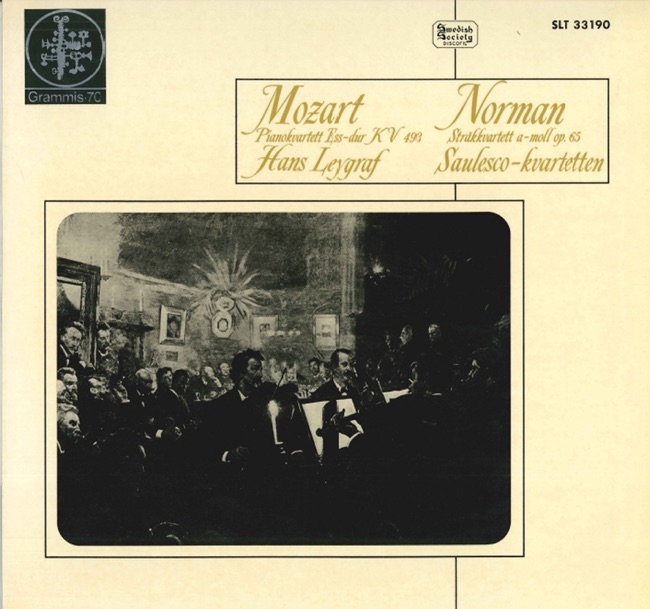
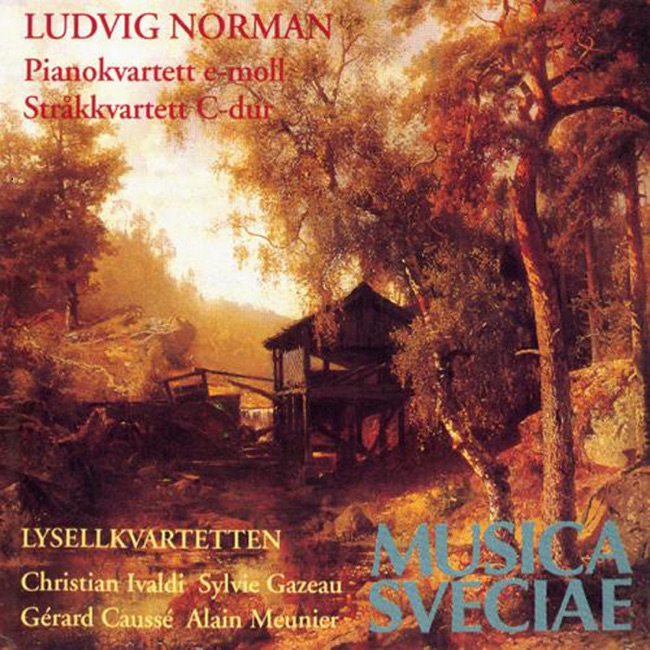
Concerto
Artist Info
Role:ComposerCountry: SwedenBirth:August 28, 1831Death:March 28, 1885Period:RomanticGenre:ChamberChoralOrchestralSymphonyLudvig Norman was a Swedish composer who lived from 1831 to 1885. He was born in Stockholm, Sweden, on August 28, 1831, to a family of musicians. His father, Johan Norman, was a violinist and conductor, and his mother, Maria Norman, was a singer. Ludvig Norman showed an early interest in music and began studying the piano and violin at a young age. Norman's musical education began at the Royal Swedish Academy of Music in Stockholm, where he studied composition with the renowned composer and conductor, Adolf Fredrik Lindblad. He also studied piano with the famous pianist and composer, Franz Berwald. Norman was a talented student and quickly gained recognition for his musical abilities. After completing his studies at the Royal Swedish Academy of Music, Norman traveled to Germany to continue his musical education. He studied composition with the famous composer, Franz Liszt, in Weimar. He also studied with other prominent composers, including Friedrich Kiel and Carl Reinecke. Norman's early compositions were heavily influenced by the German Romantic style of music. His first major work, the Symphony No. 1 in C minor, was composed in 1857 and premiered in Stockholm the following year. The symphony was well-received and established Norman as a promising young composer. Norman's music continued to evolve throughout his career. He began to incorporate elements of Swedish folk music into his compositions, which gave his music a unique and distinctive sound. He also experimented with different forms and genres, including opera, chamber music, and choral music. One of Norman's most famous works is his opera, "Den Bergtagna" (The Mountain King), which premiered in Stockholm in 1864. The opera is based on a Swedish folk tale and tells the story of a young woman who is kidnapped by the Mountain King and must be rescued by her lover. The opera was a critical and commercial success and is still performed today. Norman's other notable works include his Symphony No. 2 in D major, which premiered in 1868, and his Piano Concerto in B-flat major, which premiered in 1874. Both works showcase Norman's skill as a composer and his ability to blend different musical styles and influences. In addition to his work as a composer, Norman was also a respected conductor. He served as the conductor of the Royal Swedish Opera from 1871 to 1874 and was the principal conductor of the Stockholm Philharmonic Orchestra from 1878 until his death in 1885. Norman's contributions to Swedish music were significant. He was one of the first Swedish composers to gain international recognition and helped to establish a distinct Swedish musical identity. His music continues to be performed and appreciated today, and he is remembered as one of Sweden's greatest composers.More....
Recent Artist Music
3
14:47
10
24:52
11
Funeral March for orchestra in B flat major 'To the Memory of August Söderman' Op. 46
Till August Södermans minne
7:44

Copyright Ⓒ 2013 Davinci Finger. All rights reseved
Service Terms & Policy