


Thomas Wally
Released Album
Chamber
-
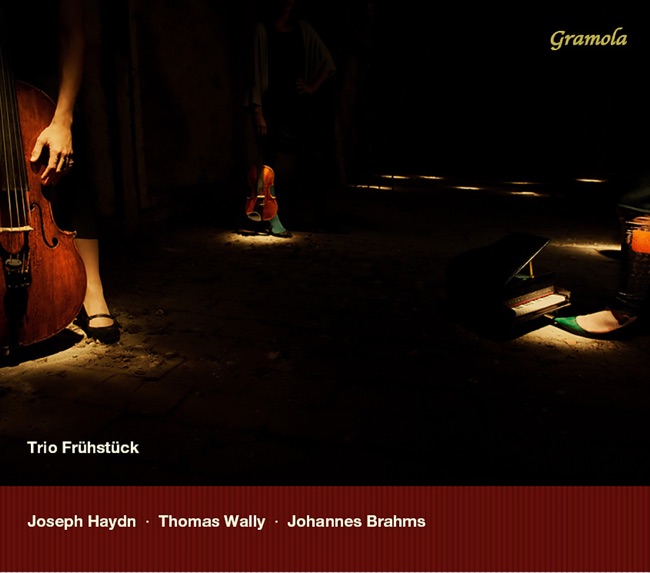 November 11, 2014
Vocal
-
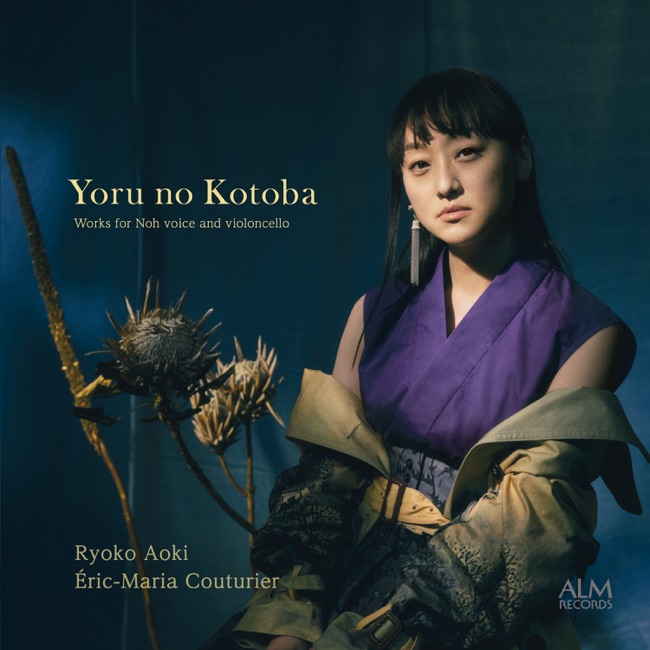 September 7, 2021
Artist Info
Role:ComposerThomas Wally was a renowned classical music composer who was born on January 14, 1958, in Vienna, Austria. He was the youngest of three children born to a family of musicians. His father was a violinist, and his mother was a pianist. From a young age, Wally was exposed to music and began playing the piano at the age of four. Wally's parents recognized his talent and encouraged him to pursue music. He began studying at the Vienna Conservatory at the age of six, where he received training in piano, composition, and music theory. He showed exceptional talent in composition, and his teachers recognized his potential early on. In 1976, Wally graduated from the Vienna Conservatory with honors and went on to study at the University of Music and Performing Arts in Vienna. He continued to excel in composition and won several awards for his work. In 1980, he received his master's degree in composition and began his career as a composer. Wally's early works were heavily influenced by the classical music of the 18th and 19th centuries. He was particularly drawn to the works of Mozart, Beethoven, and Brahms. His compositions were characterized by their intricate melodies, complex harmonies, and use of counterpoint. One of Wally's early works, the Piano Sonata in C Minor, Op. 1, was well-received by critics and established him as a promising young composer. The sonata showcased Wally's technical skill and musicality, and it was praised for its emotional depth and complexity. In the 1980s, Wally began to experiment with different styles and techniques. He was influenced by the avant-garde music of the time and began incorporating elements of atonality and serialism into his compositions. His works became more abstract and challenging, and he began to push the boundaries of traditional classical music. One of Wally's most significant works from this period was the String Quartet No. 2, Op. 23. The quartet was a departure from Wally's earlier works and was characterized by its dissonant harmonies and unconventional structure. The quartet was met with mixed reviews, with some critics praising its innovation and others criticizing its lack of melody and coherence. In the 1990s, Wally returned to a more traditional style of composition. He was inspired by the music of the Romantic era and began incorporating elements of Romanticism into his works. His compositions became more lyrical and expressive, and he began to focus on creating emotional and evocative music. One of Wally's most famous works from this period was the Symphony No. 3, Op. 45. The symphony was a grand and sweeping work that showcased Wally's mastery of orchestration and his ability to create powerful and emotional music. The symphony was well-received by critics and established Wally as one of the leading composers of his generation. Throughout his career, Wally composed music for a variety of ensembles and genres. He wrote numerous works for solo piano, chamber ensembles, and orchestras. He also composed several operas, including The Tempest, which was based on the play by William Shakespeare. Wally's music was characterized by its technical skill, emotional depth, and innovation. He was a master of melody and harmony and was able to create music that was both complex and accessible. His works were performed by orchestras and ensembles around the world and continue to be celebrated today.More....
Recent Artist Music
Copyright Ⓒ 2013 Davinci Finger. All rights reseved
Service Terms & Policy