


Carl Baermann
Released Album
Chamber
-
 March 1, 2024
 -
 March 18, 2022
 -
 December 7, 2018
 -

-
 November 1, 2017
 -
 August 4, 2017
Artist Info
Role:ComposerCountry: GermanyBirth:October 24, 1810 in Munich, GermanyDeath:May 23, 1885 in Munich, GermanyGenre:ChamberConcertoCarl Baermann was a German clarinetist and composer who lived from 24 October 1810 to 23 May 1885. He was born in Munich, Germany, into a family of musicians. His father, Heinrich Baermann, was a renowned clarinetist and composer, and his brother, Heinrich Joseph Baermann, was also a clarinetist and composer. Carl Baermann began his musical training at a young age, studying the clarinet with his father and piano with Ignaz Moscheles. Baermann's musical career began in earnest when he joined the Munich Court Orchestra at the age of 16. He quickly established himself as a talented clarinetist, and his performances were praised for their technical skill and musicality. In addition to his work with the orchestra, Baermann also performed as a soloist and chamber musician, often collaborating with his brother Heinrich Joseph. As a composer, Baermann was primarily known for his works for the clarinet. He wrote numerous pieces for the instrument, including concertos, sonatas, and chamber music. His compositions were characterized by their technical demands and virtuosic passages, which showcased the clarinet's range and capabilities. Baermann's music was also notable for its melodic beauty and expressive qualities, which reflected his deep understanding of the instrument. One of Baermann's most famous works is his Clarinet Concerto No. 3 in B-flat major, Op. 11. Written in 1839, the concerto is a virtuosic showcase for the clarinet, featuring rapid runs, trills, and arpeggios. The work is also notable for its lyrical second movement, which features a beautiful melody that is passed between the clarinet and orchestra. The concerto remains a popular piece in the clarinet repertoire and is often performed by soloists around the world. Baermann's other notable works for the clarinet include his Adagio for Clarinet and Strings, Op. 21, and his Duo Concertante for Two Clarinets, Op. 33. The Adagio is a hauntingly beautiful piece that showcases the clarinet's expressive qualities, while the Duo Concertante is a virtuosic tour-de-force that features two clarinets in dialogue with each other. In addition to his works for the clarinet, Baermann also wrote music for other instruments, including piano, violin, and cello. His Piano Trio in F major, Op. 13, is a particularly notable work, featuring a beautiful melody in the second movement that is reminiscent of his clarinet music. Baermann's legacy as a composer and clarinetist continues to be felt today. His music remains popular among clarinetists and is often performed in recitals and concerts. His technical innovations and expressive qualities have influenced generations of clarinetists, and his contributions to the development of the instrument are widely recognized. In conclusion, Carl Baermann was a talented clarinetist and composer who made significant contributions to the development of the clarinet as a solo instrument. His virtuosic compositions and expressive qualities continue to inspire and influence musicians today, and his legacy as a musician and composer remains an important part of the classical music canon.More....
Recent Artist Music
1
3:3



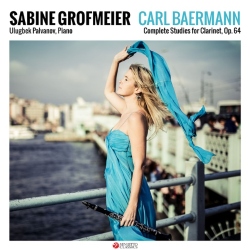
8
17:33
9
1:16
10
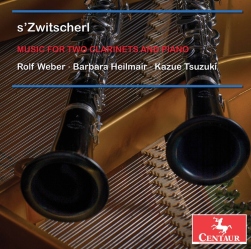
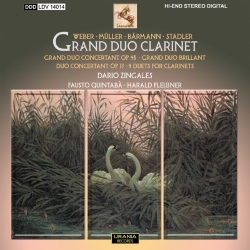
Duo Concertante for 2 clarinets & orchestra, Op. 33
Duo Concertant, Op. 33, Andante maestoso, Tema Molto moderato - 4 Variationi, Rondo. Allegro moderato
15:45
Copyright Ⓒ 2013 Davinci Finger. All rights reseved
Service Terms & Policy