


György Ránki
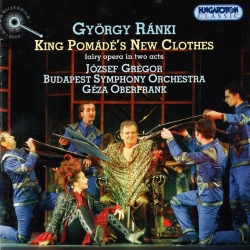
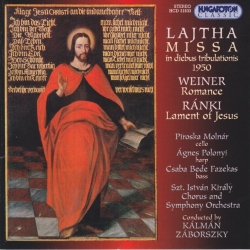
Released Album
Chamber
-
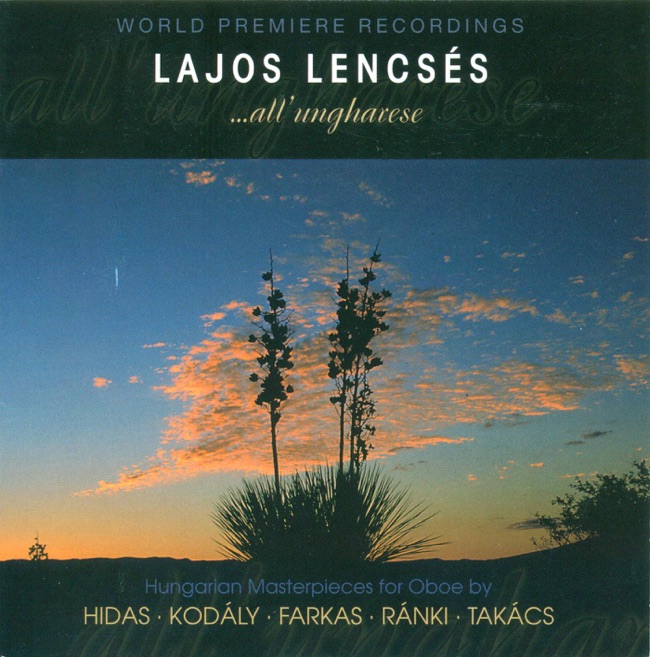 November 13, 2001
Opera
-
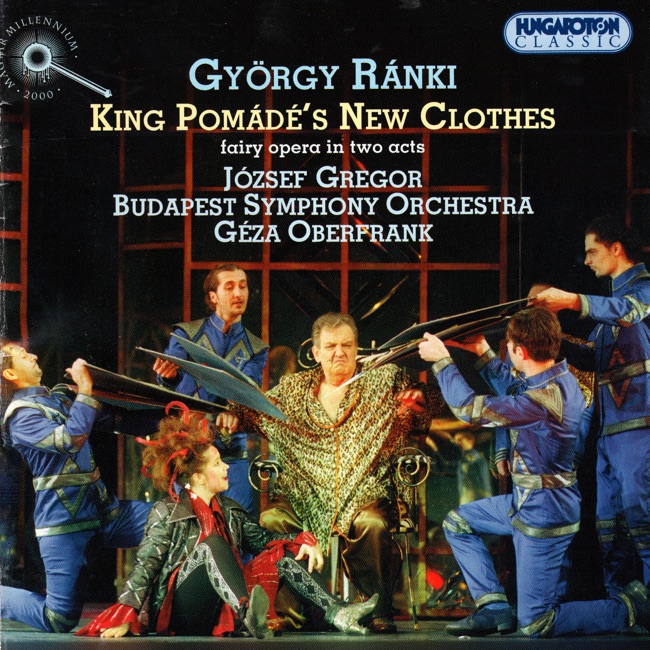 January 28, 2003
Artist Info
Role:ComposerBirth:1907Death:1992Period:ContemporaryGenre:BalletChamberOperaVocalGyörgy Ránki was a Hungarian composer and pianist who was born on March 19, 1907, in Budapest, Hungary. He was the son of a prominent Hungarian composer, pianist, and music teacher, Lajos Ránki, who was his first music teacher. György Ránki showed an early interest in music and began playing the piano at the age of four. He was a child prodigy and gave his first public performance at the age of six. Ránki studied at the Franz Liszt Academy of Music in Budapest, where he was a student of Zoltán Kodály and Béla Bartók. He graduated in 1929 with a degree in piano performance and composition. He continued his studies in Paris with Nadia Boulanger and in Vienna with Arnold Schoenberg. Ránki's early compositions were influenced by the folk music of Hungary and the works of Bartók and Kodály. His first major work, the Piano Concerto No. 1, was premiered in 1933 and was well received by audiences and critics alike. He went on to compose a number of other works for piano and orchestra, including the Piano Concerto No. 2, which was premiered in 1942. During World War II, Ránki was conscripted into the Hungarian army and served on the Eastern Front. He was captured by the Soviet army in 1944 and spent the remainder of the war in a prisoner-of-war camp. After the war, he returned to Hungary and resumed his career as a composer and pianist. Ránki's music continued to be influenced by Hungarian folk music, but he also incorporated elements of modernism into his compositions. His works from this period include the String Quartet No. 1, which was premiered in 1950, and the Sonata for Violin and Piano, which was premiered in 1952. In the 1960s, Ránki's music became more experimental and avant-garde. He began to incorporate electronic music into his compositions and experimented with new forms and structures. His works from this period include the Electronic Music No. 1, which was premiered in 1963, and the String Quartet No. 4, which was premiered in 1966. Ránki's later works were more introspective and reflective. He returned to more traditional forms and structures and focused on expressing his own personal emotions and experiences. His works from this period include the Piano Sonata No. 3, which was premiered in 1975, and the String Quartet No. 7, which was premiered in 1982. Ránki was also a respected pianist and performed extensively throughout Europe and the United States. He was known for his interpretations of the works of Bartók and other Hungarian composers. He recorded a number of albums, including a complete cycle of Bartók's piano works. Ránki received numerous awards and honors throughout his career, including the Kossuth Prize, Hungary's highest cultural award, in 1953 and 1973. He was also awarded the Order of Merit of the Hungarian Republic in 1992. György Ránki died on October 28, 1992, in Budapest, Hungary. He is remembered as one of Hungary's most important composers and pianists of the 20th century. His music continues to be performed and recorded by musicians around the world.More....
Recent Artist Music
4
5:34
Copyright Ⓒ 2013 Davinci Finger. All rights reseved
Service Terms & Policy