


Wolfram Schurig
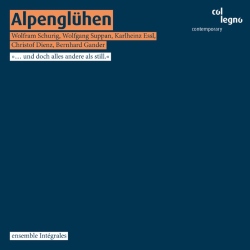
Released Album
Chamber
-
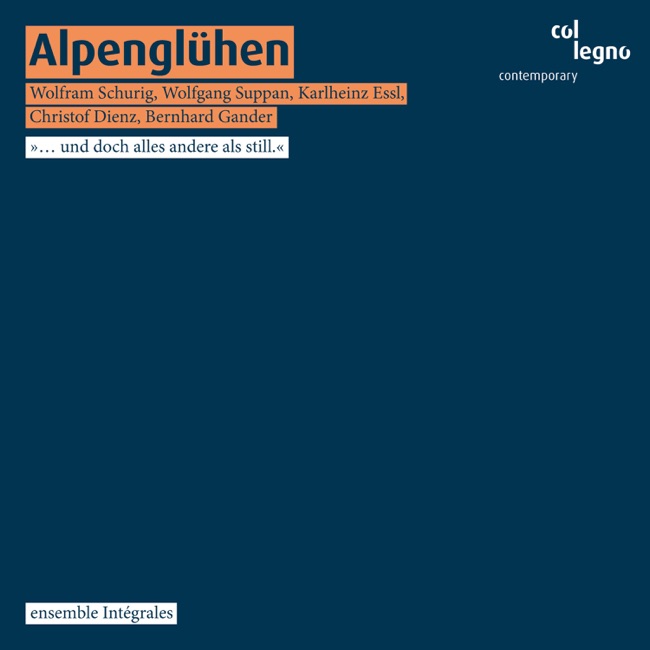 November 11, 2008
 -
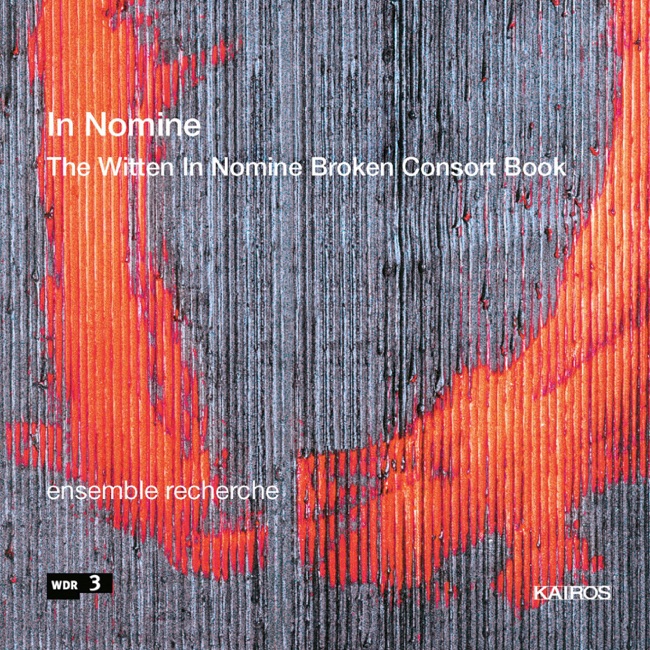 January 25, 2005
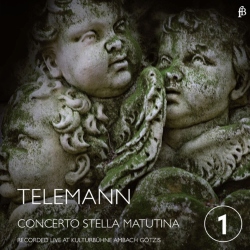
Concerto
-
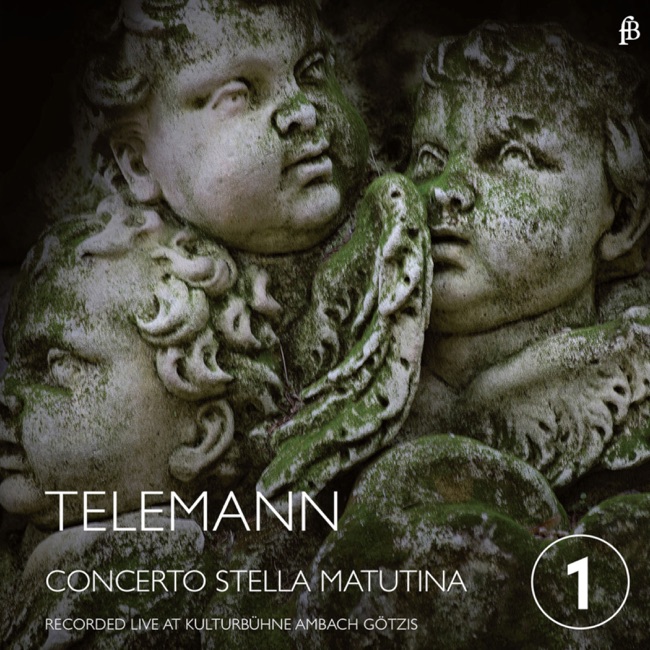 April 28, 2015
Artist Info
Role:Composer ConductorBirth:1957Wolfram Schurig was a German composer born on May 22, 1954, in the city of Leipzig. He grew up in a family of musicians, with his father being a pianist and his mother a singer. From a young age, Schurig showed a great interest in music and began playing the piano at the age of five. He later learned to play the violin and the cello, and by the age of 12, he had already composed his first piece of music. Schurig's musical education began at the Leipzig Conservatory, where he studied composition, piano, and conducting. He later continued his studies at the Hochschule für Musik in Berlin, where he was mentored by the renowned composer and conductor, Herbert von Karajan. During his time in Berlin, Schurig also studied electronic music and became interested in the use of technology in music composition. Schurig's early works were heavily influenced by the music of the Romantic era, particularly the works of Brahms and Schumann. However, as he continued to develop his own style, he began to incorporate elements of modernism and avant-garde music into his compositions. His music is characterized by its complex harmonies, intricate rhythms, and use of electronic sounds. One of Schurig's most notable works is his Symphony No. 1, which was composed in 1982. The symphony is a large-scale work that showcases Schurig's mastery of orchestration and his ability to create complex musical structures. The piece is divided into four movements, each of which explores a different musical idea. The first movement is a lively and energetic allegro, while the second movement is a slow and contemplative adagio. The third movement is a scherzo, characterized by its playful and rhythmic melodies, and the final movement is a triumphant allegro that brings the symphony to a thrilling conclusion. Another significant work by Schurig is his Piano Concerto, which was composed in 1990. The concerto is a virtuosic showcase for the solo piano, with the orchestra providing a rich and colorful accompaniment. The piece is divided into three movements, each of which explores a different mood and musical idea. The first movement is a lively and rhythmic allegro, while the second movement is a slow and lyrical adagio. The final movement is a fast and energetic allegro, with the soloist and orchestra engaging in a thrilling musical dialogue. In addition to his orchestral works, Schurig also composed a number of chamber music pieces, including string quartets, sonatas for various instruments, and works for solo piano. One of his most notable chamber works is his String Quartet No. 2, which was composed in 1988. The quartet is a complex and challenging work that showcases Schurig's mastery of counterpoint and his ability to create intricate musical textures. Throughout his career, Schurig was recognized for his contributions to contemporary classical music. He received numerous awards and honors, including the prestigious Bach Prize from the city of Leipzig in 1998. He was also a sought-after conductor, leading performances of his own works as well as those of other composers. Sadly, Schurig's life was cut short when he passed away on June 12, 2003, at the age of 49. However, his legacy lives on through his music, which continues to be performed and admired by musicians and audiences around the world. Schurig's contributions to contemporary classical music have earned him a place among the great composers of the 20th century.More....
Recent Artist Music
Copyright Ⓒ 2013 Davinci Finger. All rights reseved
Service Terms & Policy