


Sveinbjörn Sveinbjörnsson
Released Album
Choral
-
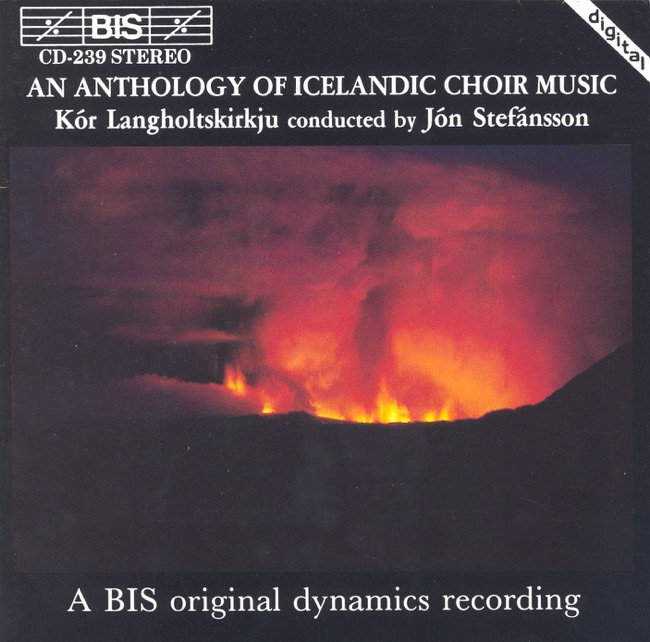 September 22, 1994
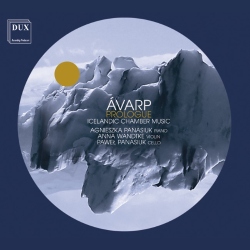
Chamber
-
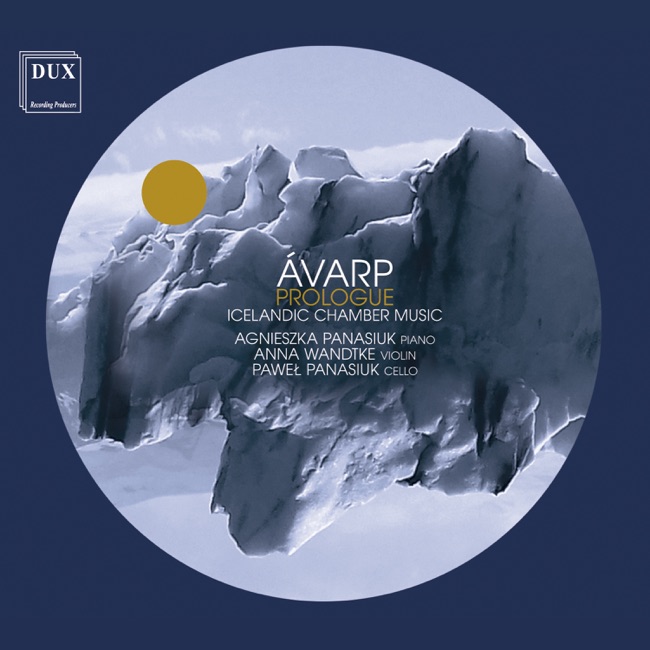 January 15, 2021
Artist Info
Role:ComposerBirth:June 28, 1847Death:February 23, 1927Period:RomanticGenre:ChoralKeyboardVocalSveinbjörn Sveinbjörnsson was a prominent Icelandic composer of classical music. He was born on December 16, 1847, in the small village of Dalvik, located in the northern part of Iceland. His father was a farmer and a church organist, and his mother was a homemaker. Sveinbjörn grew up in a musical family, and he showed an early interest in music. He began playing the piano at the age of six, and he was soon composing his own music. Sveinbjörn received his early education in Dalvik, and he later attended the Reykjavik Latin School. In 1867, he moved to Copenhagen, Denmark, to study music at the Royal Danish Academy of Music. He studied composition with Niels Gade, who was one of the leading composers of the time. Sveinbjörn also studied piano with Edmund Neupert, who was a renowned pianist and teacher. After completing his studies in Copenhagen, Sveinbjörn returned to Iceland, where he worked as a music teacher and a church organist. He also continued to compose music, and he became one of the leading composers in Iceland. His music was influenced by the Romantic style, and he often used Icelandic folk melodies in his compositions. One of Sveinbjörn's most famous works is his Piano Concerto in E-flat major, which he composed in 1879. The concerto is considered one of the most important works in Icelandic classical music, and it is still performed today. The concerto is in three movements, and it features a solo piano accompanied by an orchestra. The first movement is lively and energetic, while the second movement is more lyrical and introspective. The third movement is a lively and virtuosic finale. Another notable work by Sveinbjörn is his Symphony No. 1 in C minor, which he composed in 1880. The symphony is in four movements, and it is considered one of the first symphonies composed by an Icelandic composer. The symphony is influenced by the Romantic style, and it features a large orchestra. The first movement is dramatic and intense, while the second movement is more lyrical and introspective. The third movement is a lively scherzo, and the fourth movement is a triumphant finale. Sveinbjörn also composed a number of choral works, including his Requiem, which he composed in 1896. The Requiem is a large-scale work for choir, soloists, and orchestra, and it is considered one of the most important choral works in Icelandic classical music. The Requiem is in seven movements, and it features a choir singing in Latin. The work is dramatic and intense, and it features a number of soloists, including a soprano, a tenor, and a bass. In addition to his compositions, Sveinbjörn was also a music critic and a musicologist. He wrote a number of articles on music, and he was a strong advocate for Icelandic music. He also collected Icelandic folk songs and melodies, and he incorporated them into his compositions. Sveinbjörn died on February 3, 1927, in Reykjavik, Iceland. He is considered one of the most important composers in Icelandic classical music, and his works are still performed today. His music is characterized by its Romantic style and its use of Icelandic folk melodies. Sveinbjörn's legacy continues to inspire Icelandic composers and musicians, and his contributions to Icelandic classical music are celebrated to this day.More....

Copyright Ⓒ 2013 Davinci Finger. All rights reseved
Service Terms & Policy