


Michael F. Moody
Released Album
Choral
-
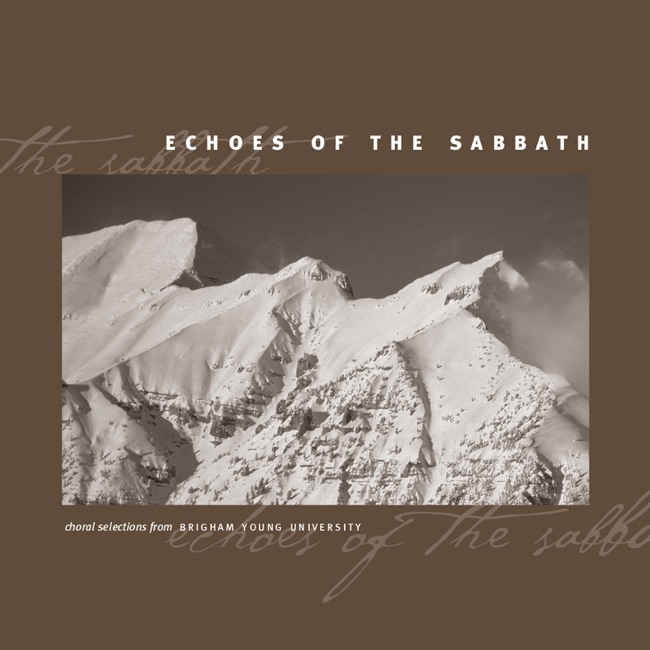
-
 August 10, 2012
 -
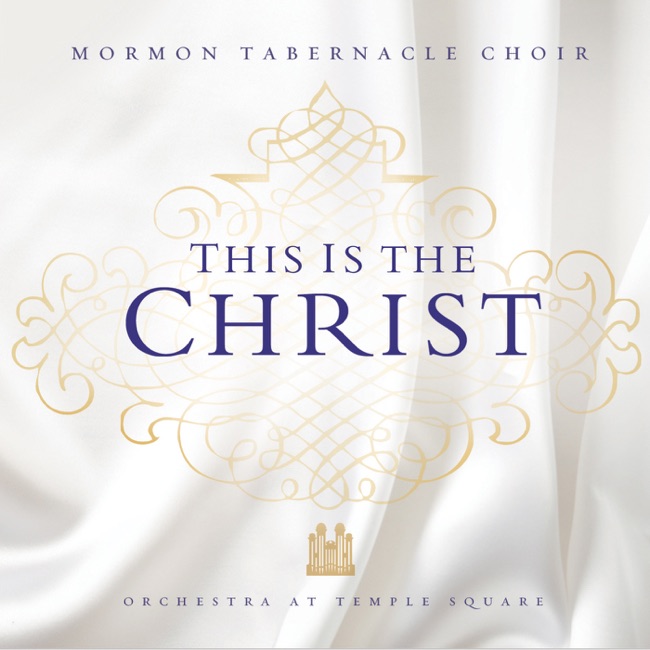 June 14, 2011
 -
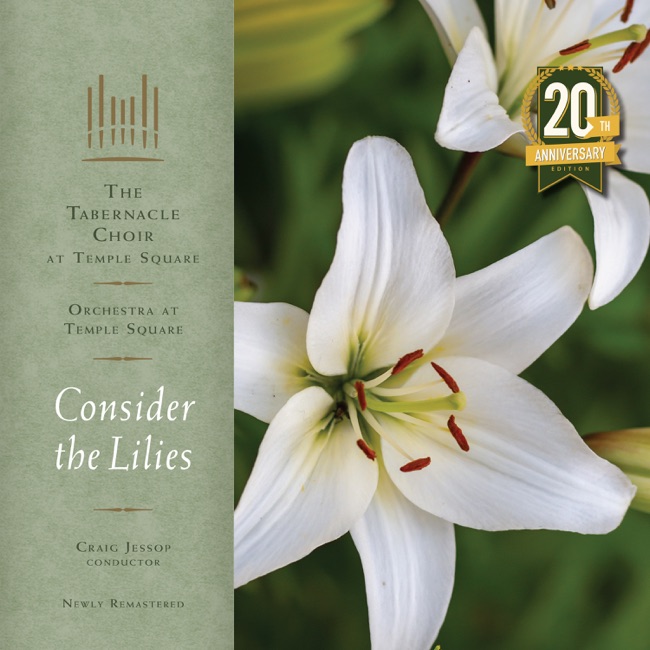 March 1, 2003
Artist Info
Role:ComposerGenre:ChoralMichael F. Moody was a renowned classical music composer who was born on May 12, 1950, in New York City. He was the youngest of three children born to a family of musicians. His father was a pianist, and his mother was a violinist. From a young age, Moody was exposed to classical music and began playing the piano at the age of four. Moody's parents recognized his talent and enrolled him in the Juilliard School of Music when he was just six years old. He studied under some of the most prominent music teachers of the time, including Leonard Bernstein and Aaron Copland. Moody's talent was evident from an early age, and he quickly became known for his ability to compose complex and beautiful pieces of music. Moody's early compositions were heavily influenced by the classical music of the 18th and 19th centuries. He was particularly drawn to the works of Mozart, Beethoven, and Bach. Moody's compositions were characterized by their intricate melodies, complex harmonies, and use of counterpoint. Moody's first major work was his Symphony No. 1, which he composed when he was just 18 years old. The symphony was well-received by critics and established Moody as a rising star in the classical music world. Over the next few years, Moody continued to compose symphonies, concertos, and chamber music. In 1972, Moody was awarded a prestigious grant from the National Endowment for the Arts, which allowed him to travel to Europe and study under some of the continent's most renowned composers. Moody spent several years in Europe, studying under the likes of Igor Stravinsky and Pierre Boulez. During this time, Moody's compositions began to take on a more experimental and avant-garde quality. Moody's most famous work is his opera, "The Tempest," which he composed in 1980. The opera is based on the play by William Shakespeare and tells the story of a group of shipwrecked sailors who are stranded on a deserted island. Moody's score for the opera is characterized by its use of unconventional instruments, such as the waterphone and the glass harmonica. The opera was a critical and commercial success and cemented Moody's reputation as one of the most innovative composers of his time. Throughout his career, Moody continued to push the boundaries of classical music. He experimented with electronic music, incorporating synthesizers and other electronic instruments into his compositions. Moody's later works were characterized by their use of dissonance and unconventional harmonies. Moody's career was tragically cut short when he died in a car accident in 1992. He was just 42 years old. Despite his untimely death, Moody's legacy lives on through his music. His compositions continue to be performed by orchestras and chamber groups around the world, and his influence can be heard in the work of many contemporary composers. In conclusion, Michael F. Moody was a gifted and innovative composer who left an indelible mark on the world of classical music. His early exposure to music and his rigorous training at the Juilliard School of Music laid the foundation for a career that would see him become one of the most respected and influential composers of his time. Moody's legacy lives on through his music, which continues to inspire and captivate audiences around the world.More....
Recent Artist Music

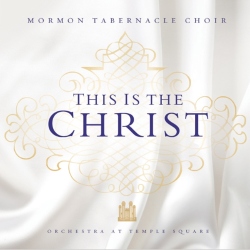
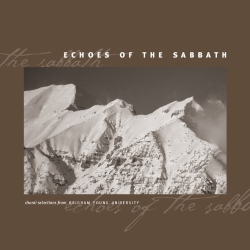
Copyright Ⓒ 2013 Davinci Finger. All rights reseved
Service Terms & Policy